










The #2 thing keeping people out of the office? Amenities.
A workplace amenity can look impressive on launch day and still shift into an afterthought six months later.
The difference usually has less to do with how exciting an amenity seemed when it was selected and more to do with what happens after installation. Is it easy to use? Does it work consistently? Does it fit naturally into the workday? And does it improve the space without creating another task for an already busy team?
Those questions matter as companies continue evaluating how to invest in the office. CBRE found that 89% of employers surveyed require at least three days of office attendance per week, while 53% identified a lack of amenities as a factor limiting office attendance.
That does not mean every workplace needs more amenities. It means the amenities already in the space need to deliver value long after launch.
The Workplace Amenity Playbook explores how to evaluate those decisions, from wellness design and social spaces to food, coffee, and hydration. The central idea is simple: the most valuable amenities are the ones that work quietly, consistently, and frequently.
What Makes an Amenity Worth the Investment?
Look beyond the launch announcement.
Before committing budget, ask:
- How often will people use it?
- How much does it contribute to the everyday experience?
- How reliably will it work over time?
An amenity that performs well across all three can have an outsized effect on how a workplace feels.
Employees experience a workplace cumulatively. They may notice a new amenity when it is introduced, but lasting impressions come from repeated interactions. A reliable hydration station, comfortable focus area, or thoughtfully designed pantry can become part of hundreds of ordinary workdays.
That is the difference between a perk and an experience-driven amenity: a perk is something employees notice when it is offered. An amenity becomes infrastructure, something they expect to work.
Design Around the Way People Actually Use the Office
Workplaces support focused work, collaboration, meetings, meals, social connection, and moments of reset. Amenities should fit those rhythms rather than exist as isolated features.
Consider how a hydration solution might function in different spaces:

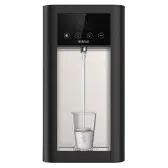
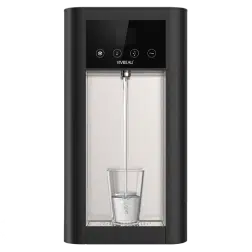
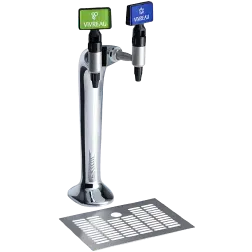
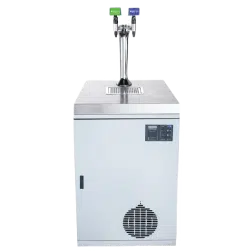
Still, sparkling, and hot water can support everyday refreshment and coffee or tea service.

Convenient hydration can support informal conversations and collaboration.

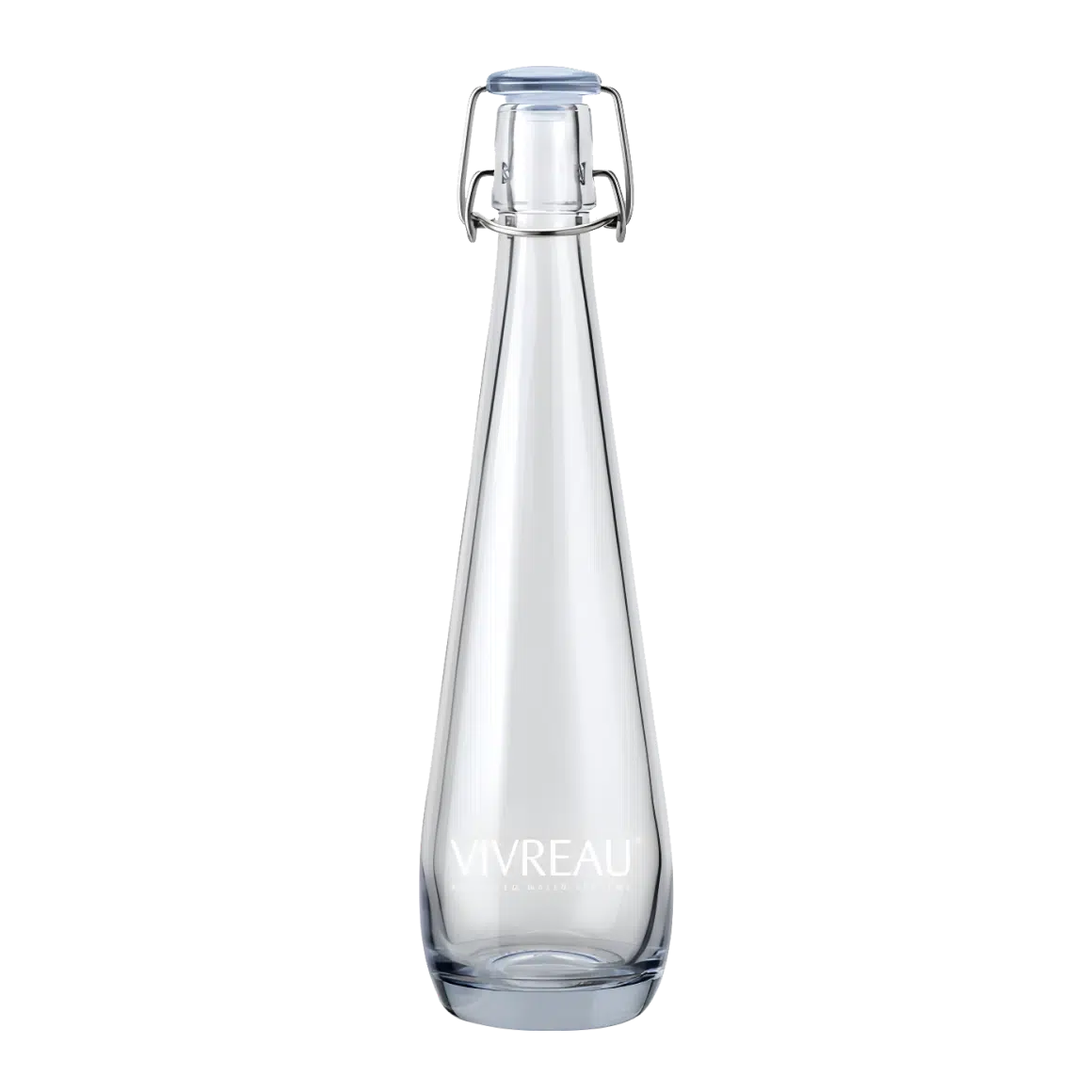
Reusable bottles can create a polished experience for employees and guests.

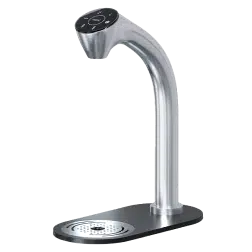
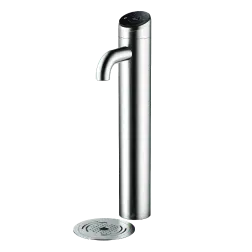
A sleek hydration station can complement the surrounding design.

Connected technology can help facilities teams identify issues and proactively manage service.
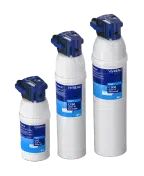
Vivreau offers a range of configurations, and it helps teams explore options based on facility, goals, features, and configuration.
The goal is not necessarily the most elaborate amenity. It is the one that fits the space, users, workflow, and maintenance requirements.
Reliability Is Part of the Employee Experience
Reliability is easy to overlook when everything is working. It becomes very visible when something is not.
A facilities team should not have to discover a problem because an employee finds an out-of-order sign. Maintenance, service, and ownership should be part of the amenity strategy from the beginning.
Connected solutions such as Vivreau’s iQ Solution are designed to support proactive monitoring, remote troubleshooting, and more informed service visits.
The same principle applies beyond hydration. Every workplace amenity should have a clear owner, maintenance plan, and way to identify problems before they become recurring employee frustrations.
Start With the Amenities People Use Most
The best workplace amenities are rarely the ones that generated the biggest announcement. They are the ones who are still working years later, functioning smoothly across your organization’s daily routine.
Ready to improve the hydration experience in your workplace?
FAQs
-
What Are Workplace Amenities, and Which Ones Matter Most for Employee Experience?
Workplace amenities are features, services, and spaces provided beyond a desk and chair, including hydration, food, lighting, wellness spaces, and social areas. Amenities that employees use frequently and rely on consistently can have a particularly visible effect on everyday experience.
-
Do Office Amenities Affect Employee Retention?
Amenities can contribute to how employees experience their workplace, particularly when they function reliably over time. CBRE found that 53% of surveyed occupiers cited a lack of amenities as a factor limiting office attendance.
-
What Amenities Can Support Employees Returning to the Office?
High-frequency amenities such as hydration and coffee, combined with wellness-focused design and functional social spaces, can support the everyday experience of being in the office.
-
How Can Companies Align Sustainability Goals With Amenity Upgrades?
Look for upgrades that also reduce operational friction and improve sustainability. Replacing bottled water, for example, can address packaging and delivery impacts while providing convenient access to water.
-
How Should a Company Prioritize Its Amenity Budget?
Start by considering frequency of use, employee experience, reliability, operational requirements, and long-term value. Amenities used most often by the most people may warrant particular attention over amenities used only occasionally.
Latest Posts


