










TL;DR
The best office water filtration systems do more than improve taste. They reduce bottle logistics, clean up pantry operations, and create a more polished experience for employees and guests. The right fit depends on office size, traffic patterns, available space, and whether you want options like chilled, still, hot, or sparkling water on demand.
A lot of office upgrades read well in a budget meeting and disappear into the background once the space is open. Hydration is different. People notice it every day, especially when the water tastes flat, the pantry feels cluttered, or someone is once again carrying in cases of bottles before a meeting.
That is why office water filtration matters more than it may seem at first glance. It touches taste, workflow, design, and the daily experience of being in the office. Research from Gensler shows that workplace quality and employee experience rise together, so even small, repeated moments like having filtered water can shape how a space feels.
Why Office Water Filtration Transforms Your Workplace
Office water filtration moves water from a basic utility to a daily experience people actually notice, and that shift affects how the workplace feels.
A traditional water cooler may be fine for a very small office with low traffic, but it tends to feel dated once a team is moving through a pantry all day, guests are coming through boardrooms, or employees expect the space to feel more intentional.
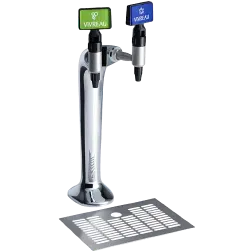
A modern office water dispenser can support higher usage with a cleaner footprint, better flow, and a stronger visual fit with the rest of the office.
Taste is usually the turning point. Most people do not think much about water when it is good, but they absolutely notice when it smells off, carries a chlorine note, or has that flat finish that pushes them toward canned drinks or coffee instead.
The EPA’s WaterSense Guide makes an important distinction: drinking water can meet safety standards and still fall short on taste, odor, or overall appeal. Common treatment processes like chlorination can leave noticeable sensory cues, even when the water is fully compliant.
That gap affects behavior in the workplace. If water is technically acceptable but not enjoyable, people simply choose something else.
The move toward filtered water in workplaces is not just about upgrading equipment. It is about closing that gap, removing a small but constant friction point, and replacing it with something that feels clean, consistent, and intentionally designed. That shift shows up in everyday behavior, from fewer trips to grab packaged drinks to a better overall impression of the space.
Picking the Perfect Filtration System for Your Office
Choosing a system is about matching the setup to the way your office actually functions. Headcount, pantry size, peak traffic, and the expectations attached to your space all matter more than a generic product comparison.
A simple way to think about the decision is to start with office size and service pattern, then work backward into the right format.

Office Type: Small office, light pantry traffic
Best-Fit Setup: Countertop format
What Matters Most: Saves space, keeps water close, reduces clutter

Office Type: Medium office, steady all-day use
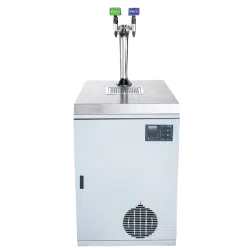
Best-Fit Setup: Freestanding or integrated dispenser
What Matters Most: Handles higher demand without creating pantry bottlenecks

Office Type: Large office or client-facing hub
Best-Fit Setup: Integrated tap or multi-point setup
What Matters Most: Supports volume, design consistency, and faster service
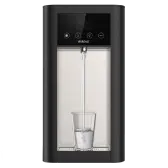
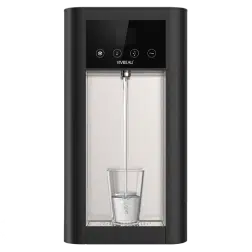
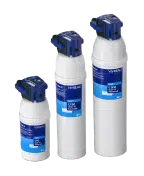
For smaller workplaces, a countertop water dispenser often makes the most sense. It gives you a compact format without sacrificing performance, which is important in offices where every inch of counter space already has a job.
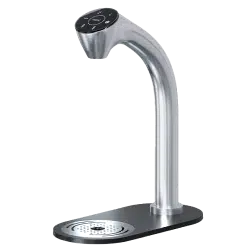
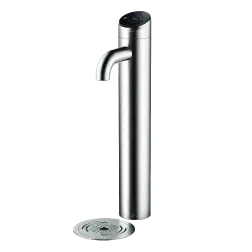
For larger teams, an integrated solution usually feels more natural because it can keep up with demand and fit more cleanly into the space.
This is also where installation readiness deserves an honest look. The best systems are not hard to live with, but they are real operational upgrades, not plug-and-play consumer gadgets. Access to a water line, ventilation, and, in some cases, a CO2 setup for a sparkling water dispenser should be part of the planning process. That is not a drawback. It is how you prevent headaches later.
The strongest choices also account for how people really use the office. In one workplace, hot water on demand may matter because the pantry doubles as an informal meeting point all day.
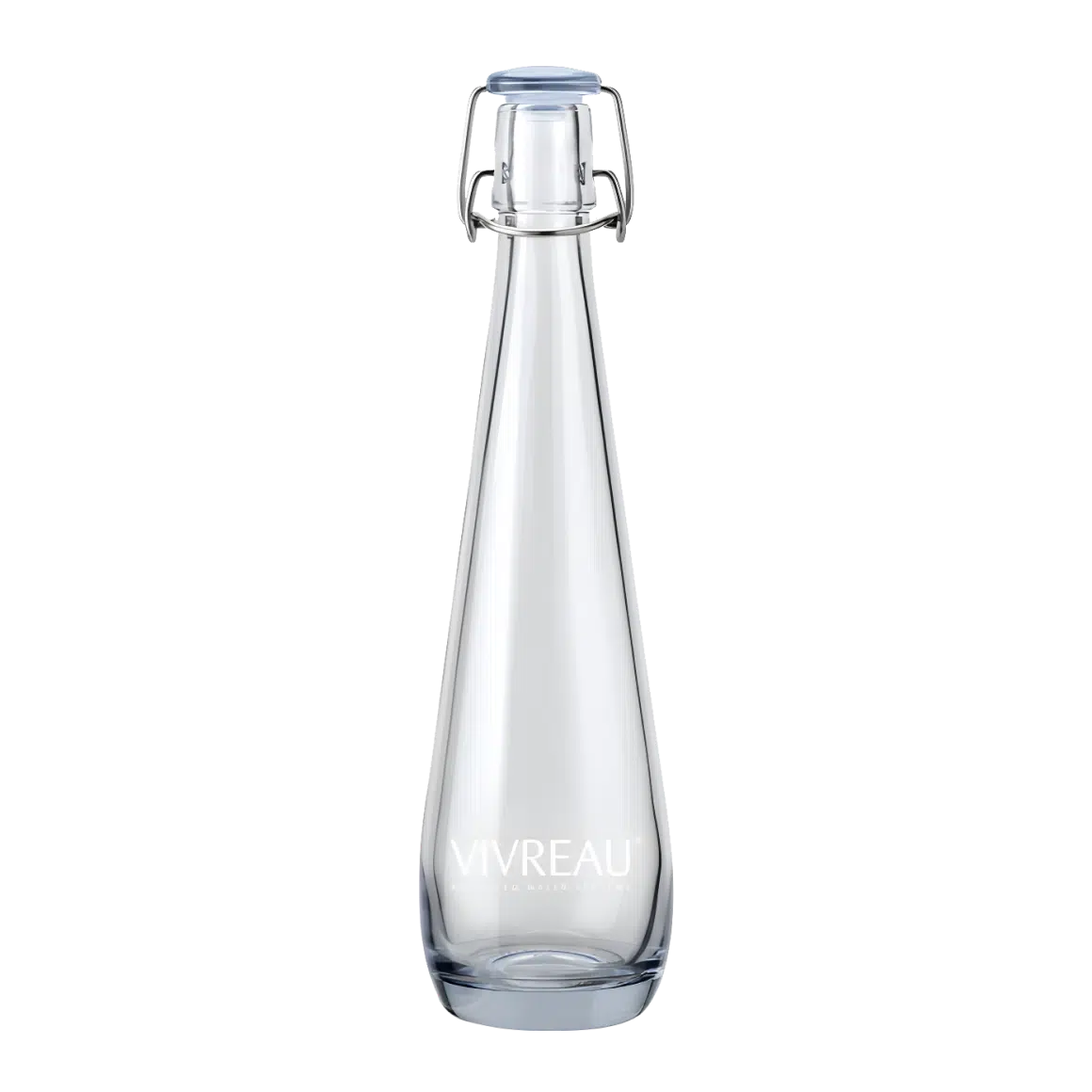
In another, still and sparkling options may matter more because clients use the space constantly, and the team wants to move away from stocked refrigerators and throwaway packaging. And reusable glass bottles, premium finishes, and cleaner tap design can sound like extras until you see how much they change the rhythm of a meeting room or kitchen area.
That is usually the real test. The best system is the one that fits the office so well that people stop thinking about the equipment and start noticing the ease of the experience.
How Filtration Simplifies Operations and Supports Sustainability
Once a system is installed, the biggest improvement is often not the water itself. It is the disappearance of all the little tasks that used to surround it.
The friction is probably familiar. Someone checks whether bottled deliveries have arrived. Someone clears storage space in the back room. Someone wipes up around an aging dispenser. Someone buys extra cases for a big meeting because the usual setup will not be enough.
None of those tasks is dramatic, but together they create a steady operational drag. A well-planned water dispenser setup removes much of that background work.
Sustainability becomes more credible in that context because it is tied to a better daily system. It is not only about reducing waste in theory. It is about buying, storing, chilling, and throwing away fewer plastic water bottles in the first place.
The larger context matters, too. UNEP says plastic pollution poses a worldwide challenge, with annual global production of plastics and plastic waste doubling in 2019 compared with 2000. That does not mean one office solves the problem alone, but it does mean fewer disposables and fewer delivery cycles are meaningful operational decisions, not cosmetic ones.
This is also where reliability comes into the picture. Facilities teams do not need a sleek unit that becomes another source of downtime six months later. They need predictable maintenance, straightforward filter changes, and a service model that keeps the system running with as little disruption as possible.
When the program is designed well, ROI shows up in saved time, reduced clutter, and a smoother workplace experience, not just in the line item attached to the equipment.
Sustainability and operations work best as part of the same story. As hydration becomes easier to manage, the environmental upside feels more believable because it is rooted in something employees and facilities teams can actually see every day.
Upgrade Your Office Hydration Today: Taste Meets Convenience
By the time you evaluate the full picture, better taste is only one of the benefits of a filtered water dispenser. The real value is that it gives your workplace a cleaner daily rhythm. One that reduces friction for staff, supports a more polished environment, and makes hydration feel like part of the experience rather than a maintenance task.
That is the role a commercial hydration partner should play; not as the star of the room, but as the reason the room works better.
If your team is ready to move away from bottle logistics, pantry clutter, and inconsistent taste, request a quote to design a solution that fits the way your office actually runs.
FAQs
These are some of the most common questions teams ask when considering a filtered water dispenser for their office.
-
Can Office Water Filtration Improve Taste?
Yes. Taste is often the first visible improvement because filtration can reduce common issues such as chlorine notes, odor, and inconsistency. Even when tap water meets safety standards, the drinking experience can still vary, and that variation affects whether people actually choose water throughout the day.
-
Are Modern Office Water Dispensers Easier to Maintain Than Traditional Coolers?
In most offices, yes. A plumbed-in system can replace bottle deliveries, jug changes, overflow messes, and ad hoc restocking. The tradeoff is that you need a proper installation plan and a clear maintenance routine, which is exactly what makes the long-term experience more predictable.
-
How Does an Office Water Filtration System Support Sustainability?
It supports sustainability by reducing dependence on disposable packaging, delivery logistics, and storage tied to bottled water. In practice, that means less waste moving through your office and a hydration program that aligns more naturally with both operational goals and environmental reporting.


