











TL;DR
- The Ford Foundation Center for Social Justice was reimagined as a more open, welcoming headquarters—one where the Foundation’s values are reflected not only in its public spaces, art and programming, but in the everyday experience of the people who use the building.
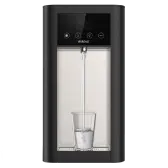
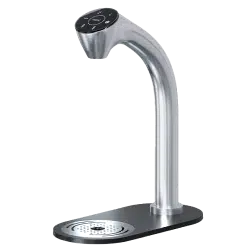
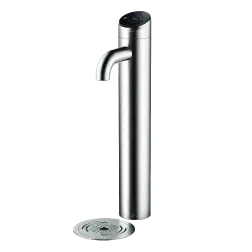
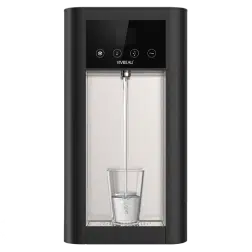
- That same thinking extends to something as everyday as drinking water. Vivreau provides filtered still and sparkling water throughout the Center—from employee pantries and the welcome lounge to catering, meetings and events—helping Ford significantly reduce its reliance on bottled water while creating an elevated experience for staff and guests.
- For Robin Riemenschneider, Senior Manager of Hospitality Services, those details are part of thoughtful hospitality: the “extra five percent” that goes beyond what is strictly necessary and helps show people what an organization values.
Inside the Ford Foundation's Center for Social Justice
For the Ford Foundation, values are meant to be more than statements on a page. They shape the work the organization supports, the people it brings together and the experience it creates inside its own New York headquarters.
The Ford Foundation is one of the world’s largest philanthropic organizations, working to advance equality and social justice by supporting initiatives that help reduce poverty, strengthen democratic values, and advance human dignity around the globe. Through its grantmaking, partnerships and convening work, the Foundation invests in organizations and leaders working to create a more just and inclusive future.
Those values also shaped the way the Foundation reimagined its headquarters in 2018: as a space that could feel more open, less hierarchical and more connected to the organizations and communities around it.
Today, the Ford Foundation Center for Social Justice is both a workplace and a gathering place. Its garden, gallery and convening spaces bring visitors and organizations into the building, while its employees experience it as their day-to-day workplace.
For Robin Riemenschneider, Senior Manager of Hospitality Services at the Ford Foundation, that balance is important.
That philosophy is easy to see in some of the Center’s most distinctive spaces. But it also shows up in much more ordinary decisions.
One of them is water.


Making sustainability part of the everyday
When Ford prepared to return to its renewed headquarters, reducing its reliance on plastic water bottles was an intentional part of the plan.
Vivreau was selected as a more sustainable water solution and has since become part of everyday life throughout the Center—from employee pantries and the welcome lounge to meetings, catering and the café.
The water program sits within a broader approach to reducing waste. Ford tracks what it sends to landfill, limits single-use packaging where possible and works with Rescuing Leftover Cuisine to donate surplus food.
With Vivreau, that approach becomes particularly visible.
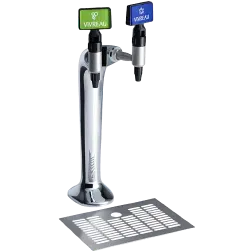
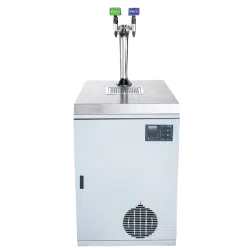
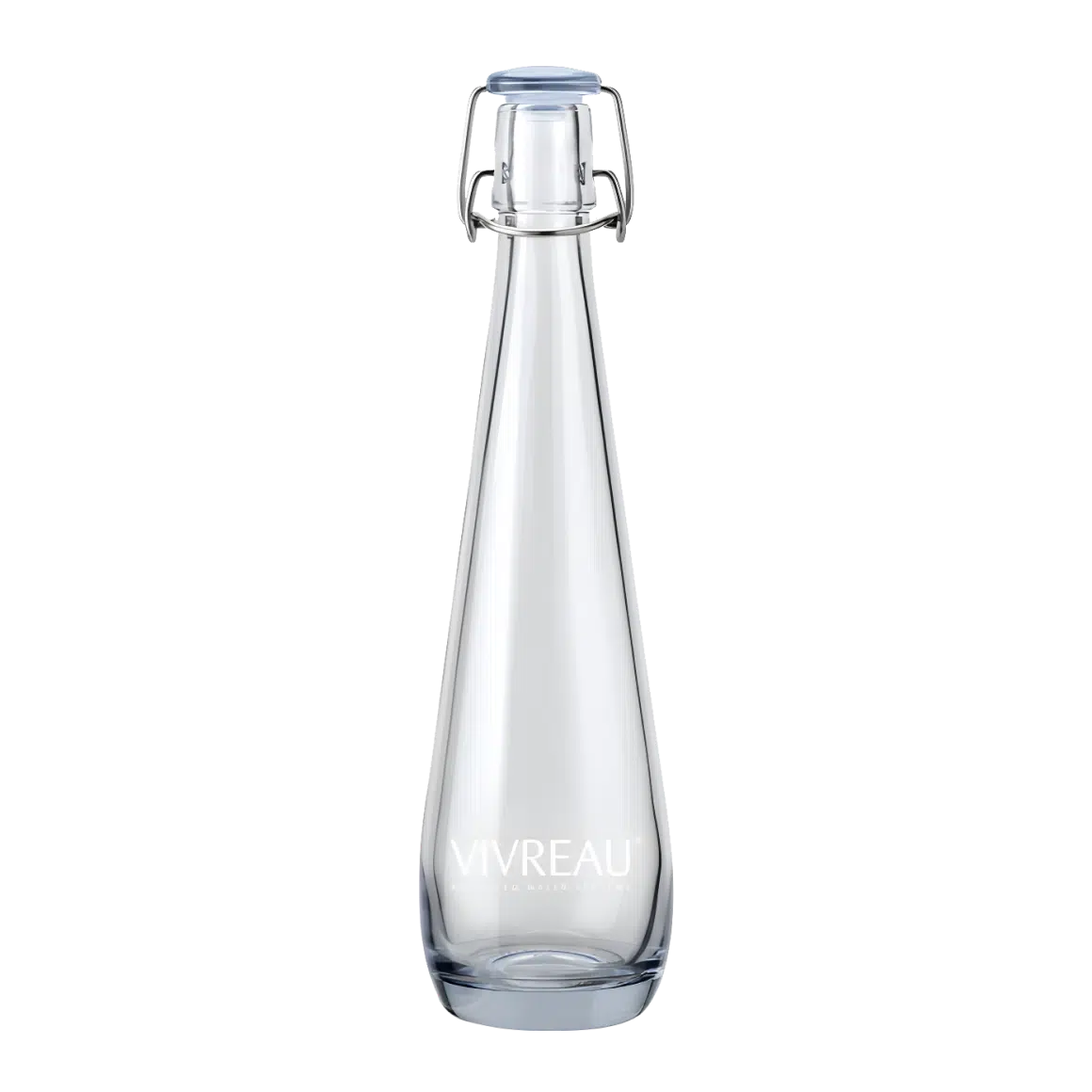
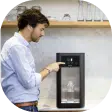
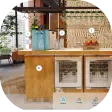
Employees have access to still and sparkling water from Vivreau taps in workplace pantries. Visitors can use a system in the welcome lounge. Another supports the café, while Ford’s catering operation bottles still and sparkling water in reusable glass bottles for meetings and events. Vivreau is even identified by name on Ford’s catering menus.
For Riemenschneider, however, the value is not simply in replacing one way of serving water with another. It is in being able to make a more sustainable choice while still creating an experience people enjoy.

There are occasional situations where bottled water remains the practical option—Riemenschneider mentions certain panel discussions as an example—but across normal workplace and catering operations, purchasing bottled water is now exceptionally rare.
“We do a lot of catering,” she says. “We do not buy water.”
It is a relatively simple operational shift. But that is part of what makes it effective: the more sustainable option has become part of the normal experience rather than something employees or visitors have to actively think about.

Hospitality starts with the people already there
For Riemenschneider, hospitality isn’t reserved for outside guests.
Employees experience the building every day. They use the workplace pantries, move through its shared spaces, host meetings and welcome visitors. Those smaller details become part of how the workplace feels.
Her more spontaneous description captures the same idea with considerably more humor.
“Why do I want to be at home when I can come to work and have bubbly water?” she jokes about the response from employees.
The comment is lighthearted, but the idea behind it is increasingly relevant for workplaces.
Employee experience is rarely created by one dramatic perk. More often, it is an accumulation of ordinary moments that have received a little more attention: a welcoming meeting space, a pantry people enjoy using, something good to drink, or an amenity that feels a little more considered than the minimum.
At Ford, the same choice can serve two goals at once: providing something employees and visitors genuinely enjoy while supporting the organization’s effort to reduce reliance on single-use bottles.
A space designed to be shared
That focus on experience extends far beyond the workplace pantry.
One of the most striking changes in the 2018 renewal was the decision to make the Center feel significantly more open.
Riemenschneider recalls that the previous headquarters could feel somewhat closed off from the surrounding neighborhood. The renewed building was intended to create greater transparency and less hierarchy, while making more room for other organizations and communities to participate in the life of the Center.
Three floors of convening space were added. Mission-aligned organizations were brought into the building. Public spaces became more accessible, and the Ford Foundation Gallery was introduced.
The art itself was reconsidered, too.
Riemenschneider says the collection was reevaluated through the lens of Ford’s mission, with the goal of ensuring that what surrounded employees and visitors felt more representative of the organization and the work it supports.
The Center welcomes school groups, university classes, architecture professors, horticulturists, garden enthusiasts and others for tours. Ford has also introduced extended evening access at select times, creating more opportunities for people who cannot visit during normal daytime hours to experience the Center.
Some of the smaller details say just as much. Riemenschneider points to legacy furniture retained during the renovation and adapted for contemporary use, including café tables raised to better accommodate wheelchairs.
The individual decisions vary enormously in scale, but the thinking behind them is remarkably consistent: consider who is using the space, and how the experience can better reflect the organization’s values.
Photos: Garret Rowland/Gensler


The extra five percent
Riemenschneider has a useful framework for thinking about that attention to detail.
During a recent period of remote work, her hospitality team read Will Guidara’s Unreasonable Hospitality. One concept that stayed with her was the “95/5 rule”—the idea that most of an operation should run with rigor and discipline, while a smaller portion is reserved for opportunities to go beyond what is strictly necessary.
Riemenschneider sees experiences like Vivreau in that additional five percent.
That idea captures much of what makes Ford’s approach interesting.
Thoughtful hospitality doesn’t have to be one grand gesture. It can be a series of intentional decisions—some highly visible, others encountered quietly every day—that make an organization’s values something people can actually experience.
At the Ford Foundation, Vivreau is one of those details: a more sustainable way to serve water, a workplace amenity, and a small but tangible expression of care.
Thoughtful hospitality, built into the everyday
Vivreau helps workplaces and hospitality environments provide premium filtered still and sparkling water for employees, guests, meetings and events—while reducing reliance on single-use bottles.
Latest Posts


