










How Water Affects Baking and Combi Oven Performance: Ask an Expert with BRITA’s Michael Ullrich
Water may not be the first ingredient chefs and operators think about when they consider baking performance or the reliability of a combi oven. But in a professional kitchen, water plays two very different and equally important roles: it becomes part of the food, and it becomes part of the equipment.
From dough development and fermentation to steam generation and scale formation, understanding the water entering a kitchen can help operators think differently about consistency, equipment care and preventive maintenance.
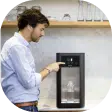
For our latest Ask an Expert, Michael Ullrich, International Key Account Manager – Professional Filter at BRITA SE, shares his insights on the relationship between water, baking and combi steam ovens, and what operators should be paying attention to this holiday season and beyond.
Download our Cheat Sheet
Want the short version? Keep our cheat sheet handy as you read.
Water is an ingredient
Flour, yeast, salt and temperature receive plenty of attention in baking. Water deserves a place in that conversation too.
Characteristics such as mineral content, hardness and pH can influence the conditions in which dough development and fermentation take place. Rather than treating water simply as something that hydrates flour, understanding the water being used can help bakers consider another variable that may contribute to consistency, particularly across locations with different incoming water conditions.
Know your numbers. Baking references such as the American Society of Baking point to a target of roughly 50–100 ppm total hardness and a pH of 6.5–6.8. Water that is too soft can mean soft, sticky or slack dough and reduced fermentation. Water that is too hard can mean tighter dough and altered fermentation, plus scale in equipment.
Water is also part of the equipment
Move from the mixing bowl to the combi oven and water takes on another job.
Professional combi ovens can generate steam through different systems, including boiler-based and direct-injection designs. Water moves through components such as valves, spray pipes and nozzles, making water quality an equipment consideration as well as a culinary one.
As Michael explains, these differences matter when considering water treatment. The appropriate approach depends on both the appliance and the incoming water rather than relying on a one-size-fits-all solution.
The hidden cost of scale
Scale can begin as a maintenance issue, but its effects can extend further into the operation.
Michael identifies blocked solenoid valves and spray pipes, along with scaling on boilers and heating elements, as potential consequences of unmanaged water conditions. These examples demonstrate why understanding incoming water and taking a preventive approach can be preferable to waiting for an equipment problem to occur.

There isn't one water filter for every kitchen
A bakery, hotel kitchen, café and high-volume foodservice operation may use different equipment and may start with very different incoming water.
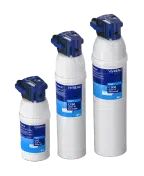
The goal isn’t simply to “filter the water.” It is to understand the application, incoming water conditions and equipment requirements, then select an appropriate treatment filter strategy. Common options include:
- Activated carbon: chlorine, taste and odor (keeps natural minerals)
- Ion exchange / softening: hardness minerals and scale
- Partial demineralization: excess minerals, tailored to the application
- Reverse osmosis: broad reduction of dissolved minerals
Water filtration should begin with two questions: What water do you have, and what does the equipment require?
More filtration isn’t automatically better. Know your water, know what the application needs, then match the treatment.
Prevent problems before the busiest weeks of the year
There is perhaps no worse time for essential kitchen equipment such as baking and Combi ovens to go down than during peak service.
Michael recalls customers taking a straightforward approach before the holiday period: avoid unnecessary repairs or annual maintenance immediately before the busiest weeks, while ensuring filtration is properly maintained to help reduce the risk of preventable problems when ovens are needed most.
It points to a larger lesson that applies well beyond the holidays: water management is most effective when it is preventive rather than reactive. Before peak season, operators can:
- Know their incoming water (hardness, minerals)
- Match filtration to the water and the application
- Follow the oven manufacturer’s water specifications
- Check oven water filters and replacement schedules before peak production
The takeaway
Water has two jobs in a professional baking operation. It helps create the product, and it helps the equipment create the product.
Understanding both sides of that relationship gives chefs and operators a better starting point for thinking about consistency, equipment care and water filtration.
Manage Your Water Before It Becomes an Equipment Problem
The simplest lesson may also be the most useful: don’t wait for scale, inconsistent results or an equipment problem to make water part of the conversation. Understand the water, understand the application and manage both proactively.
Latest Posts


