








Water Cooler vs Water Dispenser
Modern workplaces often compare two hydration solutions: the traditional bottled Water Cooler that uses a 3–5 gallon jug, and the plumbed-in Water Dispenser that filters water directly from the main water line. Both deliver drinking water, but the experience, cost, sustainability impact, and day-to-day convenience are very different. This guide explains each option clearly so you can choose the best fit for your office.
For clarity, in this guide we will be using the terms “Water Cooler” and “Water Dispenser” as follows:
- Water Cooler
A traditional unit that relies on 3–5 gallon water jugs. The jug is loaded into the top or base of the cooler, and the system stores water in an internal reservoir.
- Water Dispenser
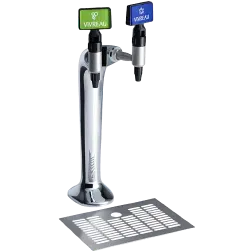
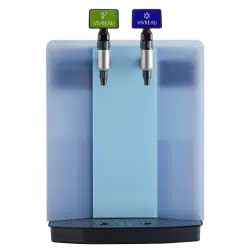
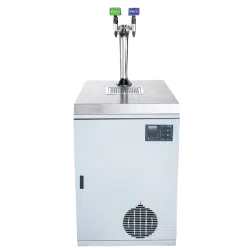
A bottleless, plumbed-in system connected directly to a building’s water line. It uses advanced filtration and provides unlimited water on demand. This includes all Vivreau water dispenser systems.
The Difference Explained in 30 Seconds
| Feature | Water Cooler (Bottled) | Water Dispenser (Bottleless, Plumbed-In) |
| Water Source | 3–5 gallon jugs | Connected directly to building water line |
| Filtration | None (uses bottled water) | Advanced microfiltration improves taste and quality |
| Water Capacity | Limited to jug size and stored water | Unlimited, on-demand supply |
| Sustainability | Creates plastic waste, requires bottle deliveries | Eliminates plastic bottle waste and reduces emissions from transport |
| Hygiene | Open reservoir. Higher risk of contamination | Closed system with better hygiene and reduced touchpoints |
| Lifting & Storage | Requires lifting 40 lb jugs and storage space for jugs | No lifting, no storage |
| Operating Cost | High recurring costs | Lower long-term cost |
| Ideal For | Very small offices or temporary setups | Modern Offices focused on long-term efficiency and sustainability |
| Water Options | Usually chilled or ambient | Chilled, ambient, sparkling, and hot options |
What Is a Water Cooler?
A bottled water cooler is the classic office setup many people picture. A plastic jug sits on top or inside the base of the cooler, and the unit dispenses ambient, cold, or sometimes hot water.
How it works
- A 3–5 gallon water jug is loaded into the cooler unit.
- The bottle neck is pierced to create an open reservoir inside the cooler.
- Water is dispensed through simple gravity and the unit can chill or heat the water before dispensing it.
Why offices choose Water Coolers
- Quick setup with no plumbing required.
- Useful in locations where water lines are unavailable.
- Familiar, recognizable design.
Limitations to consider
Water coolers are simple in some aspects, but they create several hidden operational challenges.
- Limited supply
A bottled water source provides a fixed amount of water. When it’s empty, staff must replace it manually, resulting in additional operational work and potential inconvenience. - Hygiene risks
Water coolers have open reservoirs, meaning air exposure and frequent hand contact with the bottle neck, causing water coolers to be more susceptible to contamination. - Heavy lifting and injury risk
A standard 5-gallon jug weighs about 40 pounds. Replacing jugs puts staff at risk of muscle strain. - Storage space requirements
Offices must store full bottles, empty bottles, and the cooler itself. Space can become a real challenge in smaller workplaces. - High recurring costs
Water deliveries can add up quickly, often becoming one of the largest recurring beverage expenses for offices. - Environmental impact
Bottled water has a significant carbon footprint due to bottle production, shipping, and end-of-life waste.
What Is a Water Dispenser?
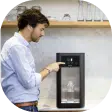
A bottleless water dispenser connects directly to a building’s water line and uses advanced filtration to improve taste and quality. These systems provide still, chilled, hot, or sparkling water depending on the model. Vivreau water dispenser systems fall into this category.
How it works
- The dispenser taps into the existing water line.
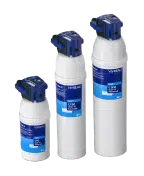
- Water passes through a high-performance filtration system.
- The system chills, heats, or carbonates the water depending on the model.
- Water is dispensed instantly and continuously.
Why bottleless systems are preferred in modern offices
- Unlimited supply
Because they are plumbed in, water is always available, even during high-use periods. - Elevated water quality
Advanced filtration improves taste by removing chlorine, sediment, and micro-impurities, while preserving beneficial minerals. (Link to filtration information) - Better hygiene
Water Dispensers use closed internal systems that minimize exposure to air and contact surfaces. Some systems such as Vivreau have special technologies such as ThermalGate to improve hygiene quality even further. - Lower environmental impact
No bottles. No deliveries. No plastic waste. - Lower long-term cost
After installation, Water dispensers are typically more cost-effective than bottled water delivery, and also reduce staff operations labor related to bottled coolers. - Modern workplace experience
Options like chilled, sparkling, or hot water support wellness, hospitality, and employee satisfaction.

Key Differences Explained: Water Cooler vs Water Dispenser
Below are the most important factors to consider when comparing Bottled Water Coolers and Bottleless Water Dispensers.
1. Water Capacity and Convenience
The way each system provides water has a direct impact on day-to-day convenience, reliability, and how much attention your team needs to dedicate to keeping the office hydrated.
Water Coolers
- Provide only the amount of water stored in the jugs you have on-site
- Run out when a jug is empty until someone replaces it
- Depend on manual lifting and regular deliveries
Water Dispensers
- Provide continuous, on-demand water without interruptions
- Eliminate the need for deliveries or on-site storage
- Offer more consistent performance for busy or growing workplaces
2. Filtration and Taste
Water quality can vary between the two systems, and understanding how each one treats water helps clarify the differences in taste, safety, and overall drinking experience.
Water Coolers
- Do not filter the water as it is dispensed
- Rely on the bottled water provider for water quality and treatment
- Dispense water directly from the jug into an open reservoir
Water Dispensers
- Micro-filter tap water to improve taste and hygiene
- Remove chlorine, sediment, and micro-organisms
- Preserve natural minerals while delivering a cleaner, fresher taste
3. Hygiene
Hygiene is one of the most important considerations for shared office equipment, and the design of each system plays a major role in how easily contaminants can enter the water pathway.
Water Coolers
- Use an open internal reservoir that is more exposed to air and touch points
- Require more frequent manual cleaning
- Are handled often during bottle changes
- Can develop microbial buildup if not maintained properly
Water Dispensers
- Use sealed, closed internal pathways that reduce contamination
- Require less manual intervention
- Offer touchless options for improved safety
- Provide more consistent hygiene outcomes overall
For workplaces focused on wellness and cleanliness, this difference is often the deciding factor.
4. Sustainability and Environmental Impact
The environmental footprint of each system is significantly different, especially when considering the long-term impact of bottles, deliveries, and overall resource use.
Water Coolers
- Depend on plastic jugs
- Require regular transportation for pickup and delivery
- Take up valuable storage space
- Produce ongoing waste over time
Water Dispensers
- Eliminate bottles entirely
- Reduce emissions by removing delivery trucks from the process
- Support corporate sustainability and ESG initiatives
- Create a measurable, long-term reduction in waste
(Internal link cue: “Vivreau Sustainability and 4Ocean Partnership”)
5. Cost Over Time
Although both systems may appear similar at first glance, their cost structures diverge once you account for delivery fees, storage, handling, and ongoing operational needs.
Water Coolers
- Seem inexpensive upfront
- Accrue high recurring costs through bottled water, delivery fees, deposits, and manual handling
Water Dispensers
- Require installation but have very low ongoing operational costs
- Typically break even within the first year
- Deliver significant savings in every year that follows
Curious what your office’s cost savings may be if you make the switch? Use our “Healthier Bottom Line” cost calculator to see the numbers for your office.
Maintenance and Daily Operation
In most workplaces, Water Dispensers reduce the operational burden on staff. For even greater reliability, many Vivreau Water Dispensers can be supported by iQ Solution, a smart monitoring platform that helps identify issues early and resolve many of them remotely. This reduces downtime and minimizes the need for on-site service visits, keeping your hydration program running smoothly with less effort from your team.
Water Coolers
- Require frequent jug changes.
- Need regular sanitization of internal reservoirs.
- Depend on delivery schedules.
- Require manual handling and storage.
Water Dispensers
- Have scheduled filter changes handled by professionals.
- Require minimal daily cleaning.
- No bottle storage or handling.
- Provide consistent, predictable performance.
Sustainability Impact
Sustainability is a major influence on workplace decision-making. Bottleless systems align with ESG, LEED, and corporate sustainability goals.
Bottled water cooler environmental impacts
- Single-use plastics or reusable jugs still require manufacturing and transportation.
- Delivery trucks generate carbon emissions.
- Heavy bottles often end up stored in offices before pickup.
- High waste footprint across the supply chain.
Bottleless dispenser environmental benefits
- Eliminates plastic bottles.
- Eliminates transport emissions from deliveries.
- Reduces workplace injuries from lifting bottles.
- Encourages hydration through better experience.
- Supports sustainability targets with measurable outcomes.
Many companies now highlight bottleless hydration in their sustainability reporting.

Which Option Is Best for Modern Offices?
For most contemporary workplaces, a plumbed-in water dispenser delivers greater value across every area that matters, including water quality, daily consistency, long-term cost, hygiene, sustainability, and the overall employee experience. While bottled water coolers can still serve small teams or temporary spaces, their limitations become more noticeable as offices grow and place greater emphasis on environmental responsibility, operational efficiency, and workplace wellness.
As organizations look for ways to offer chilled, still, sparkling, or hot water from a single tap, a plumbed-in water dispenser provides a more elevated level of hospitality and convenience. It supports modern workplace expectations and positions the hydration program as a seamless part of the employee experience.

Quick FAQs
-
What is the difference between a Water Cooler and a Water Dispenser?:
A water cooler traditionally refers to a bottled Water Cooler unit. A Water Dispenser is a broader category that includes bottleless, plumbed-in systems. In this article, the comparison focuses specifically on bottled Water Coolers vs plumbed-in Water Dispensers.
-
Are Water Dispensers better for offices?:
Both types of systems have their place, depending on your office environment and needs. However many offices prefer bottleless water dispenser systems because they offer unlimited supply, improved hygiene, lower environmental impact, and lower long-term cost.
-
Do Water Dispensers filter the water?:
Yes. Bottleless systems use advanced filtration to remove chlorine, sediment, and micro-impurities, improving taste and quality.
-
Is installation difficult?:
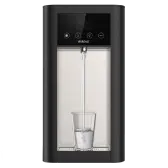
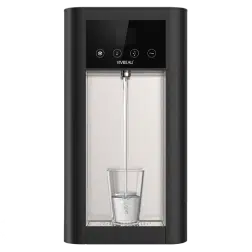
Installation depends on the water dispenser style chosen. Some models are countertop or freestanding designs that are very straightforward. The Vivreau Top Pro is an example of this type of design, as it simply needs a connection to a water source and power as part of installation.
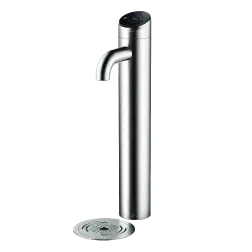
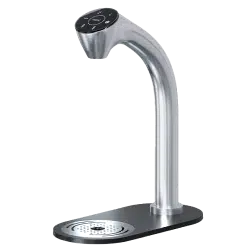
When a sleek dispenser tap design such as a Vivreau Extra C-Tap is preferred, installation may require millwork and some additional steps to install into the cabinet and countertop. Professional installation ensures optimal performance, and Vivreau guides the installation process for our own clients as part of our service package.
-
Do bottleless systems provide cold water?:
Yes. Most modern systems deliver chilled and ambient water, and some also offer hot, or sparkling water depending on the unit.
-
Which system is more cost-effective?:
Water Dispensers generally cost less over time due to the elimination of recurring bottled water expenses, especially for larger or growing organizations.
-
Are Water Dispensers more hygienic?:
Yes. They use closed internal systems that reduce contamination risks.
-
Do bottleless water dispensers reduce plastic waste?:
Yes. They eliminate bottle use entirely and greatly reduce carbon emissions from transportation.
Ready to explore your options?
Choosing between a Water Cooler and a Water Dispenser impacts everything from employee experience to sustainability, safety, and long-term cost. While Water Coolers offer a simple starting point, Water Dispensers provide a more reliable, hygienic, and environmentally responsible solution for modern workplaces.
If your office is exploring ways to improve hydration while reducing plastic waste and operating costs, a Water Dispenser offers a clear, forward-thinking option. Speak with one of our water experts to learn what system may be perfect for your office.
Latest Posts


