











TL;DR
- Evaluating a Bevi alternative for office water means comparing outcomes: uptime, adoption, and total cost of ownership, rather than just features.
- Hidden operational costs like flavor refills, cartridge waste, and system downtime often outweigh the novelty of a flavor-forward dispenser at scale.
- The right commercial water dispenser grows with your workplace and delivers consistent, great-tasting still and sparkling water without the ongoing friction.
The search for a Bevi alternative rarely starts with a clear framework. Most facilities teams begin with a list of features: does it have sparkling? Can employees add flavor? How often does it need service?
The organizations that build lasting workplace hydration solutions tend to ask a different question first: what does our team actually need from a hydration program over the next three to five years? A 2022 peer-reviewed study shows that the systems driving the highest daily adoption are the ones that deliver quality and accessibility, not the widest variety of options.
Rethinking What "Better Than Bevi" Actually Means
The instinct to comparison-shop is logical, but treating a hydration system upgrade as a product swap tends to focus attention in the wrong places. A sparkling water dispenser for office use that looks impressive on day one can still underperform if it introduces friction for facilities teams or fails to scale with headcount.
What “better” actually looks like in a high-performing workplace: a system that runs reliably, tastes consistently good, requires minimal oversight, and supports your team’s needs, whether you have 50 employees or 500.
The goal isn’t to find the most feature-rich office water dispenser. The real goal is finding the one that works hardest when no one is paying attention to it. Upgrading your hydration program means upgrading a system, not just swapping a product.
What High-Performing Workplaces Prioritize in Hydration
Taste is non-negotiable. Employees will use a hydration system consistently if the water is good, and they won’t if it isn’t.
Still, sparkling, and hot water access have become baseline expectations in modern commercial environments, and ease of use directly drives adoption. A dispenser that looks out of place in a renovated pantry or a sleek lobby creates friction before anyone fills a glass.
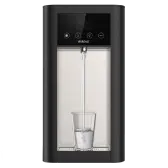
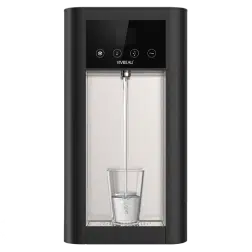
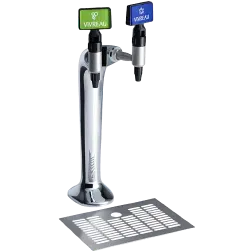
One factor buyers often overlook: how a system handles flavor. Vivreau’s flavors are offered as a separate add-on, not integrated into the dispenser itself.
This matters operationally: it eliminates the risk of flavor carryover between servings and prevents accidental mixing with still or sparkling water, a known issue with integrated-flavor systems. Vivreau’s flavors are also 100% natural, which matters to organizations that have invested in communicating the quality of their workplace amenities and who value clean, filtered water offerings for their teams.
The Hidden Operational Costs Most Teams Overlook
Subscription pricing is the number teams usually compare. But for a filtered water system for offices at a meaningful scale, the total cost of ownership is a far more useful metric.
Bottled and refill-based systems, including flavor-cartridge models, introduce recurring operational friction: deliveries, storage, manual upkeep, and the staff time that goes with each. When those costs compound at higher usage, the numbers shift significantly.
With Vivreau, organizations can reduce their water program costs by up to 86% by switching from bottled delivery to a plumbed system, with predictable, flat-on-flat ongoing expenses that scale with usage.
There’s also an often-overlooked sustainability tension in flavor-cartridge systems. Organizations increasingly find that positioning a dispenser as a sustainable option while relying on single-use flavor cartridges or concentrate bags creates its own waste stream that’s difficult to reconcile with environmental reporting goals.
The EPA’s plastics data shows that only about 29% of PET plastic bottles and jars are recycled annually, with the remainder going to landfill, a useful benchmark when evaluating any office solution that depends on single-use plastic components. Moving toward a sustainable office water solution often means simplifying rather than adding components.
Scalability: Will the System Grow With Your Workplace?
A system that works well for a team of 30 may buckle under the weight of 200 daily users. Hydration needs evolve as offices grow, and refill-based or capacity-limited systems tend to reveal their constraints exactly when they’re needed most: high-traffic mornings, all-hands weeks, or newly opened floors.
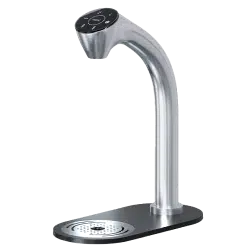
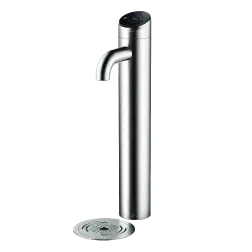
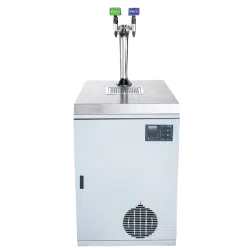
Plumbed premium water dispensers are built for consistent, high-volume use across locations, zones, and floors. Vivreau’s iQ Solution takes scalability further by enabling remote system monitoring, proactive issue detection, and predictive maintenance, so problems are often resolved before they surface as disruptions.
The result, as Vivreau describes it, is a hydration program that “integrates seamlessly into the workplace and scales confidently as organizations grow.” Flexible rent-or-purchase models also let organizations choose the arrangement that fits their budget and growth plans.
Choosing the Right Office Water System
Evaluating a Bevi alternative for office water comes down to three things: whether the system delivers consistently great water at your current scale, whether it can handle where your organization is headed, and whether the operational model actually reduces your team’s workload or quietly adds to it.
The right commercial water dispenser isn’t the one with the most features. It’s the one your team forgets about, because it simply works.
Request a quote to explore a hydration solution tailored to your workplace needs.
FAQs
-
What Operational Challenges Typically Emerge When Scaling From a Flavored Water System to a Full Office Hydration Solution?
The most common issues are taste degradation from flavor residue in shared lines, rising costs of flavor refills as usage increases, and the logistical complexity of managing cartridges or concentrate bags at scale.
Organizations also encounter sustainability tensions when flavor cartridge waste conflicts with their environmental reporting goals. Switching to a plumbed, still-and-sparkling system tends to improve adoption by refocusing the experience on water quality, which is what most employees actually want.
-
How Do Maintenance and Servicing Models Differ Between Plumbed Systems and Refill-Based Machines?
Plumbed systems connect directly to a water line and require periodic filter changes and scheduled service visits, while eliminating delivery schedules, storage management, and jug or cartridge handling entirely.
Advanced systems with remote monitoring capabilities, such as Vivreau’s iQ Solution, can detect issues proactively, reducing both downtime and the number of on-site service calls. Refill-based machines require more frequent manual intervention, which adds staff time and creates potential gaps in availability.
-
What Factors Most Impact Employee Adoption and Usage of Office Water Systems?
Taste is the primary driver. Employees consistently return to systems that deliver great-tasting water, and adoption drops when quality is inconsistent.
Accessibility is the second major factor: having a dispenser where people already are, not tucked out of the way. A countertop water dispenser in a high-traffic pantry will outperform a floor-standing unit in a back hallway, regardless of the number of features it has.
-
How Should Facilities Teams Evaluate Water System Placement Across Multiple Floors or Zones?
Start with traffic patterns: where do employees gather, break, or refill most often? High-traffic areas like pantries, break rooms, and near conference rooms typically see the highest utilization.
For multi-floor offices, one dispenser per floor is a reasonable baseline, with higher density in areas where teams spend extended time. Plumbed systems simplify placement by removing the constraints of refill access and bottle storage.
-
What Are the Most Overlooked Costs When Comparing Office Water Solutions Beyond Subscription Pricing?
Staff time is the highest hidden cost. The hours spent managing deliveries, replacing jugs, monitoring refill stock, and handling service calls add up quickly in larger environments. Downtime costs are also underweighted: when a system is out of service, teams lose access to hydration, and the impact on daily workflow compounds.
A meta-analysis of 33 studies found that dehydration significantly impairs attention, executive function, and motor coordination, making system uptime a real business consideration. Finally, storage footprint, meaning the space consumed by bottle inventory or backup supplies, is a genuine operational cost in high-density offices.


