









TL;DR
The useful part of a water system with predictive maintenance is not the dashboard. It is the combination of monitoring, remote diagnostics, and serviceability that helps you prevent downtime, reduce staff burden, and keep a premium hydration experience consistent for employees and guests.
In offices and hospitality spaces, water is no longer just a utility tucked into the background. It is part of how people experience the space, whether that means a smoother workday, a more polished guest interaction, or fewer operational headaches behind the scenes.
That is why the smartest question is not whether a dispenser is connected. It is whether a predictive maintenance water system is designed to solve a real operational problem.
In a category full of shiny feature language, the most useful systems are the ones that catch issues early, support remote fixes when possible, and help keep the experience seamless for the people using the space.
What Makes a Predictive Maintenance Water System Truly Smart?
The word smart gets used too loosely in commercial equipment. For a smart water system, it should mean the unit can be monitored, diagnosed, and supported in a way that improves reliability, not just that it can send usage data to a screen.
That distinction is important because there is a big difference between connectivity and serviceability. Predictive maintenance is valuable when it helps detect emerging issues, trigger timely alerts, and support better maintenance planning before something breaks in a visible way. In a commercial hydration setting, that means shifting service from reactive repair toward earlier intervention and fewer disruptions.
The most useful version of smart technology is the kind that protects uptime. A modern connected serviceability approach can help identify issues sooner, support remote diagnostics, and make on-site visits more efficient when they are needed. That is a much more meaningful benefit than a dashboard that looks impressive but does little to reduce disruption.
ROI comes down to whether those features actually reduce friction and protect uptime. Smart features are worth paying for only when they lower friction, reduce unnecessary service visits, and protect the consistency of the experience you are trying to create. Otherwise, you are simply paying more for a nicer interface on the same old maintenance model.
How Predictive Maintenance Water Systems Boost Operational Efficiency
The real cost of a dispenser issue is often not the repair itself. It is the interruption. When a unit goes down, someone has to field questions, find a workaround, notify staff, or scramble to keep a pantry, lounge, or meeting area functional.
That concern is widespread. Downtime is the top issue for 65% of organizations using water dispensers, which is why predictive maintenance has become more than a nice-to-have. It helps reduce those moments by identifying issues earlier, triggering alerts, and supporting more proactive service planning.
Instead of reacting after a disruption, teams can address problems before they affect daily use, while service providers can schedule maintenance more efficiently and arrive better prepared when on-site support is needed.
That shift reduces the need for staff intervention. Facilities and hospitality teams are not pulled into troubleshooting or temporary fixes, which keeps attention on higher-value tasks and helps the space run more smoothly overall.
This is especially relevant in high-traffic environments where reliability has a direct effect on the perception of the space. An office water dispenser that is unexpectedly offline makes the pantry feel less polished and adds one more small frustration to the day. In hospitality, the effect is even more immediate. A guest-facing hydration point that is unavailable during peak use quickly chips away at the premium feel of the environment.
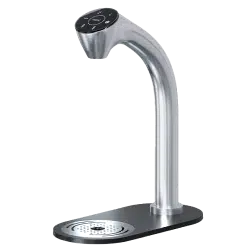
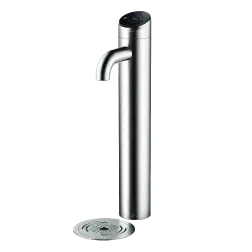
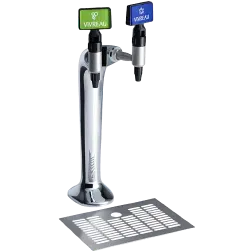
Operational efficiency also depends on choosing the right format for the space. A sleek, built-in tap may suit a design-led pantry or lounge, but it is not the only path to better performance.
In many cases, a well-matched system that aligns with the space’s infrastructure, usage patterns, and service model will deliver a smoother day-to-day experience than a more complex setup that looks impressive but adds friction behind the scenes.

Creating a Premium Hydration Experience for Users
Efficiency is only part of the equation. What people actually experience is how the space feels in the moment, not how the system is maintained behind the scenes. That is why reliability and design belong in the same conversation.
Recent workplace experience research found that high-performing workplaces are not defined only by how efficiently they operate, but by how people feel in them. A hydration point may seem like a small detail, but it is one of the most visible amenities in a pantry, collaboration area, or client-facing zone. When it works well and looks intentional, it quietly reinforces quality.
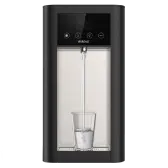
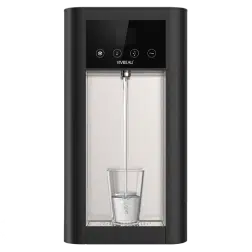
That integration can take different forms depending on the environment. Design-forward, countertop models can deliver a polished experience with minimal installation, while built-in or tap systems create a more seamless, architectural feel in higher-end spaces.
The right choice is less about format and more about how well it complements the layout, usage patterns, and expectations of the space.
The same logic applies in hospitality. Hotel experience trends continue to point toward the value of thoughtful, low-friction service moments that shape how guests remember a property. A commercial water dispenser in a lobby lounge, spa, meeting area, or self-serve station is part of that service layer.
Guests may never focus on the equipment itself, but they notice when access feels seamless, the presentation is elevated, and the experience is reliable throughout their stay.
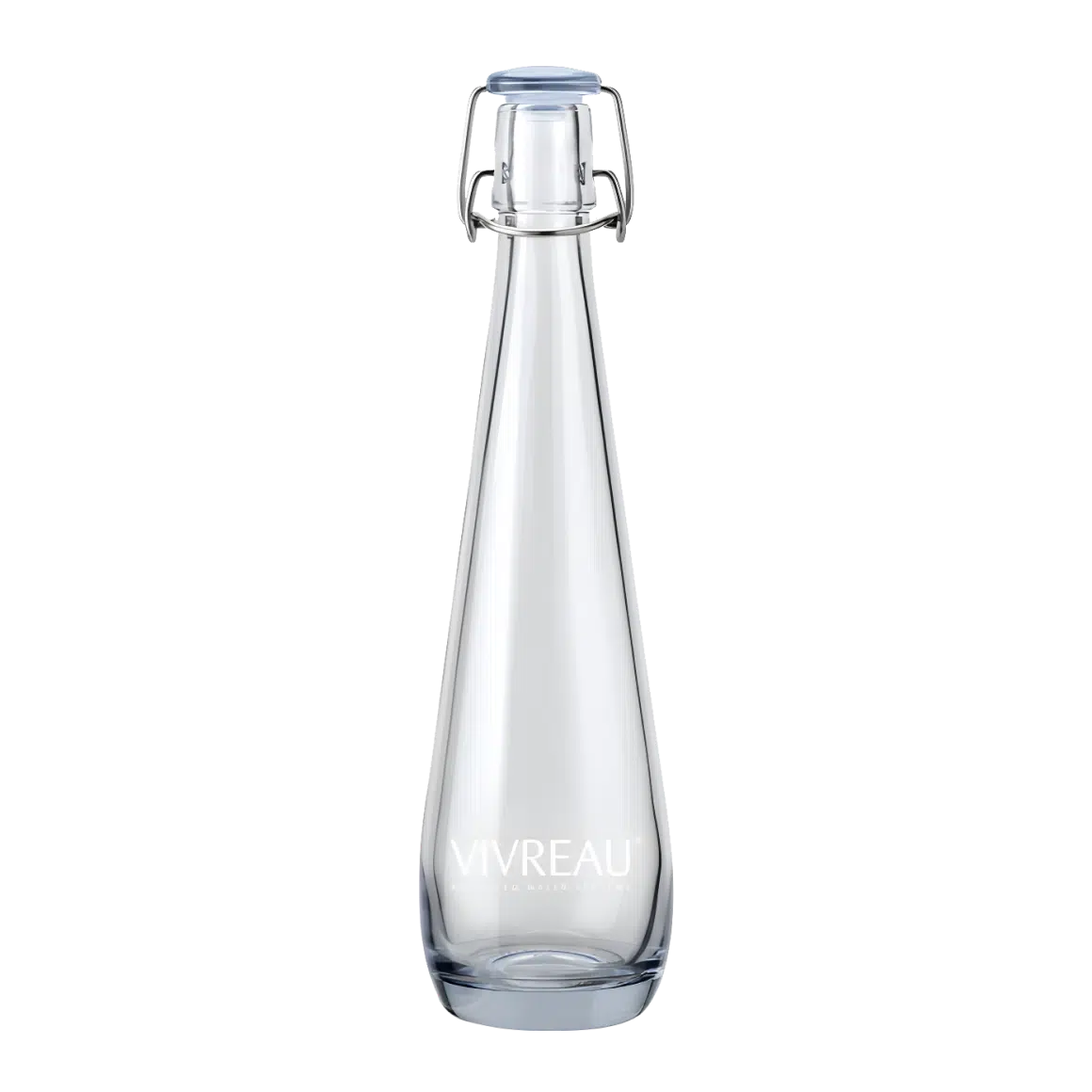
That is where feature mix matters. On-demand still water may cover the baseline need, but sparkling and hot water dispensers expand how the system supports both employees and guests. Paired with reusable glass bottles or carafes, the experience becomes more intentional and service-oriented, whether that is in a boardroom, a shared pantry, or a guest-facing setting.
Choosing the Right Predictive Maintenance Water System for Your Space
Choosing well means looking past the sales language and asking more practical questions. What exactly gets monitored? What kinds of issues can be diagnosed remotely? What still requires an on-site visit? And how does the service model protect uptime in the type of environment you actually run?
Start with the operating model, not the feature list. The right predictive maintenance water system is one that tells you something actionable, helps resolve issues faster, and reduces the odds that staff or guests ever notice a service problem in the first place.
If the connected layer cannot shorten downtime, improve technician readiness, or support preventative maintenance, it is probably more hype than help.
Then match the system to the demands of the space. A high-volume office may care most about keeping employees hydrated all day without creating new tasks for workplace teams. A hospitality property may place more weight on aesthetics, multi-temperature service, and the ability to support guest-facing moments without adding friction for staff.
In both cases, the smartest system is the one that fits the pace, visibility, and expectations of the environment where it will live.
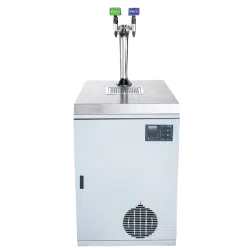
You also need to be realistic about cost and installation readiness. Premium hydration systems are not magic, and they are not equally simple in every room. Some applications will benefit from an integrated solution tied directly into the building water line. Others will be better served by countertop-friendly formats that still deliver a polished experience with fewer infrastructure hurdles.
Addressing those realities early is part of what makes the solution feel credible, not complicated.
The best buying decision is not about choosing the most connected product. It is about choosing the least fragile operating model. The one that keeps the end-user experience premium while making ownership simpler for your team.
Where Smart Hydration Earns Its Place
A predictive maintenance water system proves its value when the technology fades into the background, and the experience stays consistently strong. That means reliable still, sparkling, and hot water on demand, fewer operational interruptions, and a service model built to catch problems early instead of reacting after the disruption is already visible.
For offices and hospitality spaces alike, the useful part of smart is not novelty. It is confidence. When you are ready to create a more reliable, seamless hydration experience, request a quote to design a smart water solution tailored to your space.
FAQs
These are some of the most common questions that come up when evaluating predictive maintenance water systems. The answers help clarify what actually matters in day-to-day use.
-
What Features Make a Water Dispenser Smart?
The useful features are the ones tied to action: remote monitoring, predictive alerts, diagnostics, and a service model that can respond before a visible failure happens. Connectivity on its own is not enough. Smart only means something when it helps reduce downtime, improve technician readiness, or resolve issues faster.
-
How Does a Predictive Maintenance Water System Improve Reliability?
It improves reliability by spotting early warning signs, triggering intervention sooner, and helping service teams plan better. Instead of waiting for a unit to fail in a way staff or guests can see, the system supports earlier action and a more consistent service experience.
-
Are Predictive Maintenance Water Systems Suitable for Both Offices and Hospitality Spaces?
Yes, because both environments care about uptime, user experience, and staff efficiency, even if the use case looks different. Offices often prioritize daily convenience and workplace experience, while hospitality spaces tend to place more emphasis on guest-facing design and seamless service.
In both settings, the right system is the one that combines serviceability with a format and feature mix that fits the space.


