









TL;DR
If you are weighing water coolers for office use in 2026, the real question is whether the old bottle-and-delivery setup still fits how your workplace runs now. In many cases, a modern office water dispenser is worth it because it cuts recurring labor, improves hygiene, elevates the space, and supports sustainability without turning hydration into another operational headache.
You can see the difference in almost any busy office pantry. An empty jug shows up right before a meeting. Someone searches the back room for a replacement. Another person notices the drip tray is full. The setup still functions, but it does not feel streamlined, premium, or built for the pace of a modern workplace.
That kind of friction matters more than it used to. According to Gensler’s 2024 global workplace research, companies are judging offices less by pure efficiency and more by how the space supports people, culture, and daily experience. Hydration sits right in the middle of that shift. It is a practical utility, but it is also a visible part of how your workplace feels.
This is why more teams are starting to rethink how office water coolers fit into the workplace. As you compare traditional setups with newer options, the focus shifts from basic access to water to efficiency, hygiene, and how well the system supports the space day-to-day.
Why Offices Are Rethinking Their Water Coolers
Offices are starting to compare water coolers and water dispensers because traditional setups no longer align with how modern workplaces operate.
Traditional jug-based systems come with more drag than they first appear to. You are not just buying water. You are managing deliveries, storage, lifting, cleanup, and the steady stream of minor interruptions that fall to office managers, facilities teams, or whoever happens to be nearby.
The system works, but it relies on manual effort in a way that feels increasingly out of step with how workplaces run today.
That is where the cost conversation starts to shift. It is not just about the price of water. It reflects the time, labor, storage, and logistics required to keep the system running. When you remove those, the operating picture changes significantly. Organizations can reduce their water program costs by up to 86% by eliminating deliveries, storage, and manual handling.
Another reason offices reevaluate their water coolers is the impact on the employee experience. Empty bottles, inconsistent upkeep, and shared touchpoints create small but noticeable interruptions that can make the setup feel inconvenient, less hygienic, and out of step with the rest of the workplace.
Sustainability also plays a role. Offices moving away from bottled delivery programs want less packaging, less hauling, and fewer plastic water bottles moving through the building.
That is why more teams are prioritizing sustainable water solutions as part of a broader operational upgrade. It is not only about reducing environmental impact. It is about simplifying the entire system behind it.
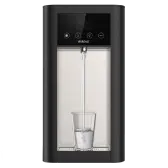
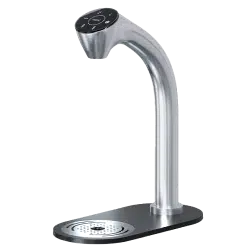
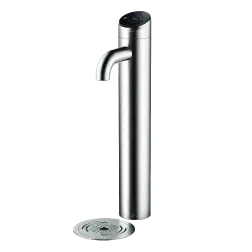
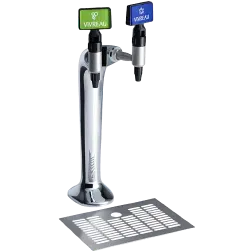
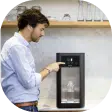
Solutions like the Extra C-Tap reflect that approach, designed with sustainability in mind while supporting a more streamlined, low-waste way to deliver drinking water. The result is a setup that is easier to manage and better aligned with how modern workplaces run.


Healthier, Cleaner, and Safer Hydration
People may not talk about it every day, but they notice immediately when a shared hydration point feels dated, messy, or poorly maintained.
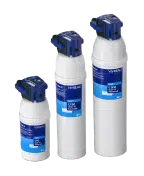
That is where modern dispensers have a meaningful edge. Advanced microfiltration removes chlorine, fine particulates, and taste- and odor-causing compounds while preserving beneficial minerals. That means still, sparkling, and hot water are treated at the point of use, which creates a more consistent and reliable drinking experience.
Traditional bottle swaps come with more opportunities for contamination. Every change introduces more hand contact, more open air exposure around the bottle neck, and more buildup around the dispensing area.
Modern systems reduce that handling through sealed systems and protective tap technologies. Features like ThermalGate™ go a step further by automatically and regularly heating the tap to disinfect it.
Maintenance is another place where the gap between legacy systems and newer ones becomes obvious. A traditional water cooler often depends on someone noticing a problem. A smart water dispenser comes with a connected setup designed to surface issues sooner, simplify service, and reduce disruptions. That matters because downtime quickly turns a shared amenity into a source of frustration for everyone who relies on it.
There is also a baseline expectation here. Shared drinking water should be easy to access and easy to trust. Workplace safety standards, like OSHA’s Keeping Workers Well-Hydrated fact sheet, reinforce that access to clean, readily available water is not optional. It is part of maintaining a safe and functional environment.
In other words, the better system is not just the one that dispenses water. It is the one that makes hydration feel routine, not questionable.
Convenience That Boosts Productivity
Convenience can sound like a soft benefit until you add up how often hydration interrupts the workday. Someone waits for a kettle. Someone refills pitchers before a client meeting. Someone wipes down a spill, swaps an empty jug, or runs out to grab bottled backups because the office water dispenser is out of commission.
Each interruption is small, but together they create friction that people feel all week.
A better setup removes those pauses. On-demand chilled, hot, and sparkling options make it easier for people to get what they need without turning a pantry stop into a workaround. That matters in places like self-serve kitchens, boardrooms, and lounges, where the quality of the experience shapes how employees and visitors read the space.
The best water dispenser is not simply the one with the most features. It is the one that fits naturally into the way your workplace already moves.
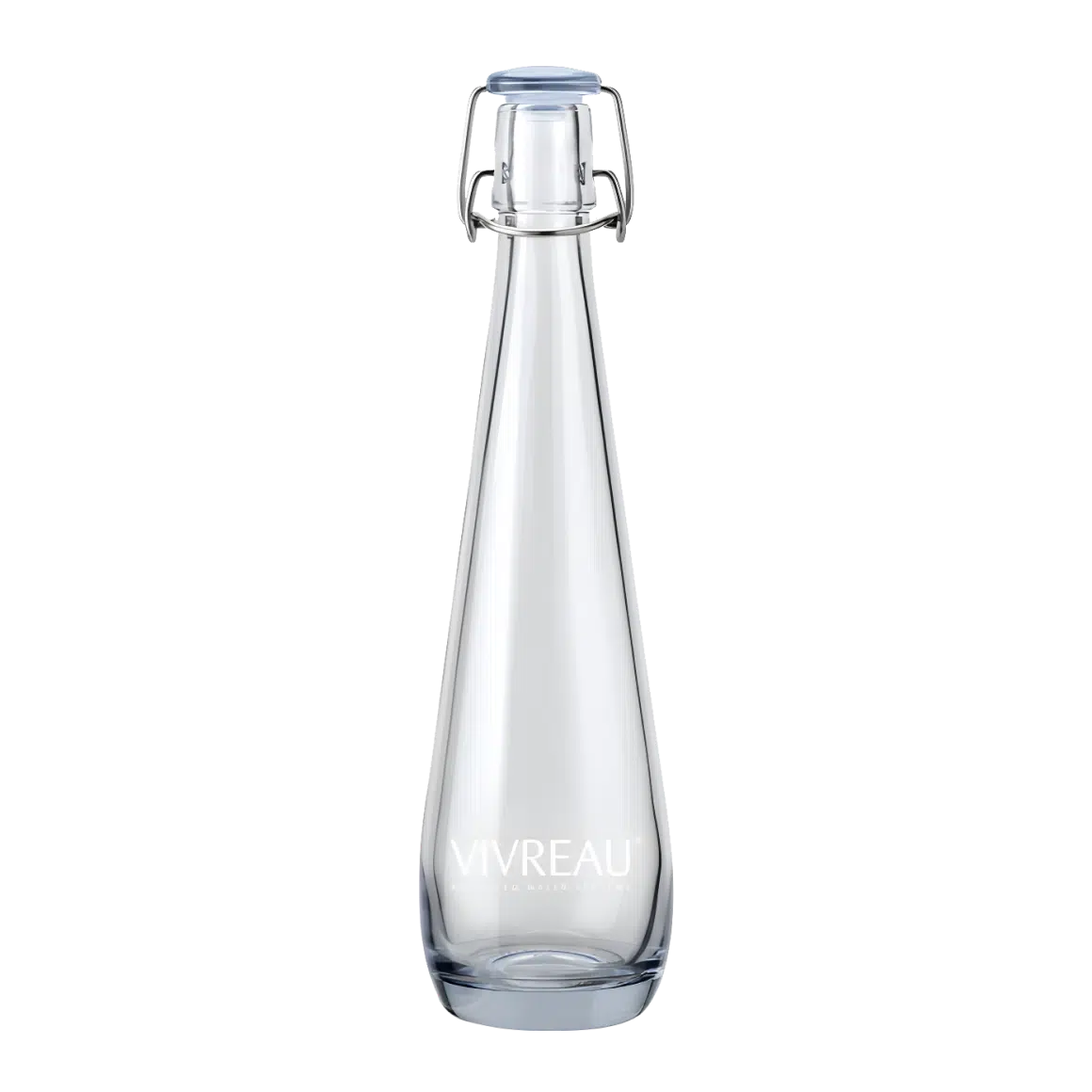
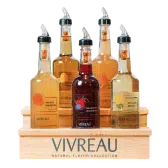
That experience aspect is easy to underestimate. A sparkling water dispenser, reusable glass bottles, and optional flavors make the hydration station feel intentional rather than purely functional. In a design-forward office, those details matter. They help the space feel cared for, and they make the experience of using it feel more in line with the rest of the environment.
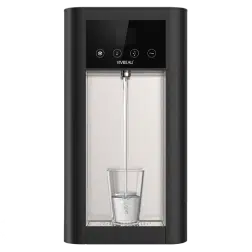
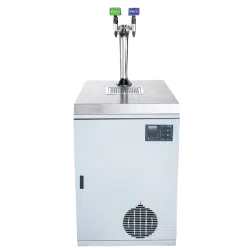
Format flexibility matters, too. One workplace may need an integrated tap that disappears into a sleek pantry design. Another may need a countertop water dispenser that works with an existing footprint and a more practical installation path. The point is not to force one format everywhere. It is to choose a setup that improves workflow, supports the space, and feels like a real upgrade instead of one more piece of equipment to manage.
Next Steps to Upgrade Your Office Hydration
By the time you get to this stage, the decision is usually less about whether you need drinking water in the office and more about what kind of experience you want that access to create. The smartest evaluations look beyond the machine itself and focus on daily use, service realities, and fit with the space.
A practical review usually comes down to three questions:
- Traffic and placement: Where do people actually refill most often, and does that area support quick individual use, meeting support, or both?
- Plumbing and format: Is there water line access where the system will matter most, and is an integrated option or a countertop format the better fit?
- Service and reliability: How important are proactive maintenance, uptime visibility, and fewer manual touchpoints for your team?
Answering those questions early makes the rest of the process much clearer. It also keeps the discussion honest about ROI, plumbing readiness, and downtime concerns, which are exactly the issues serious buyers should raise before making a change.
A Better Office Experience Starts With Better Hydration
The right hydration setup does more than dispense water. It removes small daily frustrations, supports a cleaner and more reliable workplace, and helps the office feel more intentional for everyone who uses it.
That is why the question is not really whether water coolers for office use still have a place in 2026. It is whether your current setup reflects the kind of workplace experience you want to create.
For many organizations, a modern dispenser is worth it because it solves practical problems while improving how the space functions and feels over time.
When you are ready to explore the right fit for your workplace, request a quote. We will help you map the best setup for your space.
FAQs
Here are some common questions that come up when teams compare traditional water coolers with a more modern office hydration setup.
-
Are Modern Office Water Dispensers More Cost-Effective Than Traditional Water Coolers?
In many workplaces, yes. The clearest savings usually come from cutting deliveries, storage, cleanup, lifting, and waste handling over time. When you compare the full operating picture instead of the equipment price alone, the case for modern dispensers gets much stronger.
-
How Do Water Dispensers Improve Office Hygiene?
They improve hygiene by filtering water at the point of use, reducing bottle handling, and using technologies that support cleaner maintenance. In a high-traffic space, fewer manual steps and fewer exposed components usually lead to a setup people trust more.
-
Can Office Water Dispensers Help Meet Sustainability Goals?
Yes, especially when they replace programs built around bottled delivery and disposable packaging. The strongest environmental case usually comes from reduced hauling, reduced waste, and a more reusable operating model, which aligns with the EPA’s national strategy to prevent plastic pollution.


