











TL;DR
A premium filtered water dispenser for the office should be defined by how well it delivers consistent, high-quality water in real conditions. Good filtration means matching the treatment method to your actual goals, improving taste and reliability, reducing operational friction, and supporting a better workplace experience without adding new maintenance burdens.
A premium filtered water dispenser for your office should do more than give people another place to fill a glass. It should improve taste, reduce friction, support a cleaner-looking space, and make hydration feel like part of the workplace experience rather than a background utility.
That is why filtration deserves more attention than it usually gets. The difference between a basic dispenser and a well-planned premium hydration program shows up in the moments people notice most, including taste at the first sip, reliability during busy stretches, and whether the setup makes the office feel more streamlined or more cluttered.
Why Premium Filtration Matters in Offices
Water is one of the few amenities almost everyone uses every day, which makes it surprisingly visible. If it tastes flat, smells faintly chlorinated, or runs slowly when several people need it at once, the experience lands as ordinary at best and disappointing at worst. When it tastes clean and consistent, the opposite happens. It subtly upgrades the room.
Meeting the minimum standard is not the same as creating a better workplace experience. For offices focused on employee experience, productivity, and perception, the expectation is higher. The water should be appealing, reliable, and easy to access without adding friction behind the scenes.
This is where a common misconception shows up. Not all water filters work the same, even when the dispensers look similar.
Basic systems may focus on minimal treatment, while professional-grade filtration is designed to reduce specific impurities that affect taste, odor, and clarity, while preserving the minerals that make water enjoyable to drink. The result is not just filtered water, but a more consistent and reliable drinking experience.
Cost and installation questions usually come up early, and they should. A better system needs to earn its place. The right office water dispenser does that by replacing delivery logistics, reducing staff time spent managing water, and making hydration feel like a considered part of the workplace rather than a background task.
Good filtration is where that value starts. If the water quality is inconsistent, even a well-designed dispenser will feel like a missed opportunity. When filtration is dialed in, the rest of the experience has a stronger foundation to build on.
Filtration Basics Explained in Simple Terms
Filtration can sound technical, but the decision is more straightforward than it seems. At a basic level, it comes down to three things: what the system is designed to reduce, how consistently it performs, and whether the water actually tastes better day to day.
The EPA’s 2025 guide to choosing point-of-use water treatment offers a useful framework here. Start with the problem you want to solve, whether that is taste, odor, particulates, or another water-quality concern, then match the treatment method to that goal.
Not all office water filtration systems are built for the same purpose, even when they look similar from the outside. This is where third-party verification becomes useful. NSF water treatment standards exist because filtration claims can vary widely in practice. One system may be designed for basic taste improvement, while others use professional-grade filtration to target finer contaminants that affect clarity and consistency, without removing the minerals that keep water balanced and enjoyable.
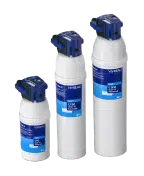
In simple terms, good filtration removes what gets in the way and leaves what makes water enjoyable. Technologies like microfiltration, including sub-micron activated carbon block filters, are designed to reduce chlorine, fine particles, and other elements that dull the drinking experience, while maintaining a clean, consistent taste across the day.
When working as intended, the benefits of a filtered water dispenser show up quickly. People drink more water, rely less on packaged alternatives, and experience hydration as something seamless rather than something they have to think about.
Operational and Sustainability Wins for Your Office
Once the water tastes good and the dispenser keeps pace with demand, the next layer of value shows up in operations. Fewer deliveries, less storage, less refrigeration, and less manual upkeep all add up to a workplace that runs with fewer small interruptions.
A well-chosen setup can reduce the burden of tracking bottled water, replacing empty containers, cleaning up overflow from ad hoc beverage stations, and carving out storage space for something people consume all day. For facilities and operations teams, that shift is often as valuable as the water itself.
Sustainability also becomes more visible at the day-to-day level. UNEP notes that packaging accounts for roughly 36% of global plastic production, with the majority ending up as waste. In an office setting, bottled water is a clear example of that pattern. Moving to a filtered dispenser reduces reliance on single-use packaging, cuts down the volume of waste moving through the space, and makes that reduction visible to employees and facilities teams alike.
Cost improvements follow the same pattern. Replacing deliveries, storage, and manual handling reduces ongoing operational burden and spend. In some cases, organizations can reduce the cost of their water program by 86% while also simplifying workflows and creating a more consistent experience for employees.
The bigger point is not the headline number by itself. It is better hydration that can support experience, efficiency, and long-term ROI at the same time.
How to Choose the Right Filtered Water Dispenser for Your Office
The right system depends on how your office actually functions. When choosing a commercial water dispenser, start with headcount, traffic patterns, pantry layout, and whether the space is client-facing. These factors will determine the right setup more than any single feature. Choosing based on footprint or upfront price alone usually leads to a mismatch.
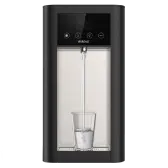
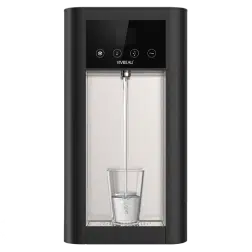
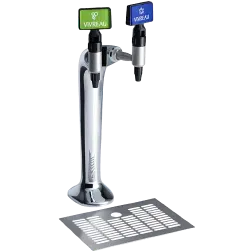
Once those needs are clear, the next step is to select the right format. A countertop water dispenser may be ideal for a smaller pantry or executive suite where space is tight and usage is moderate.
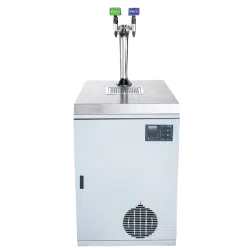
A larger office water dispenser may make more sense in a higher-traffic area where still, sparkling, and hot options need to stay available throughout the day. And if you are comparing those options to a traditional water cooler setup, look beyond the familiarity and consider the hidden labor and storage burden that older systems often carry.
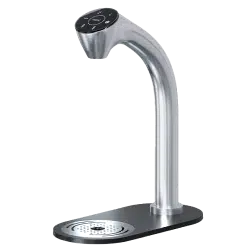
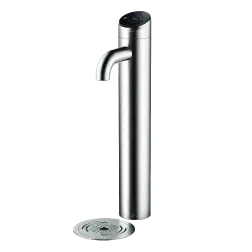
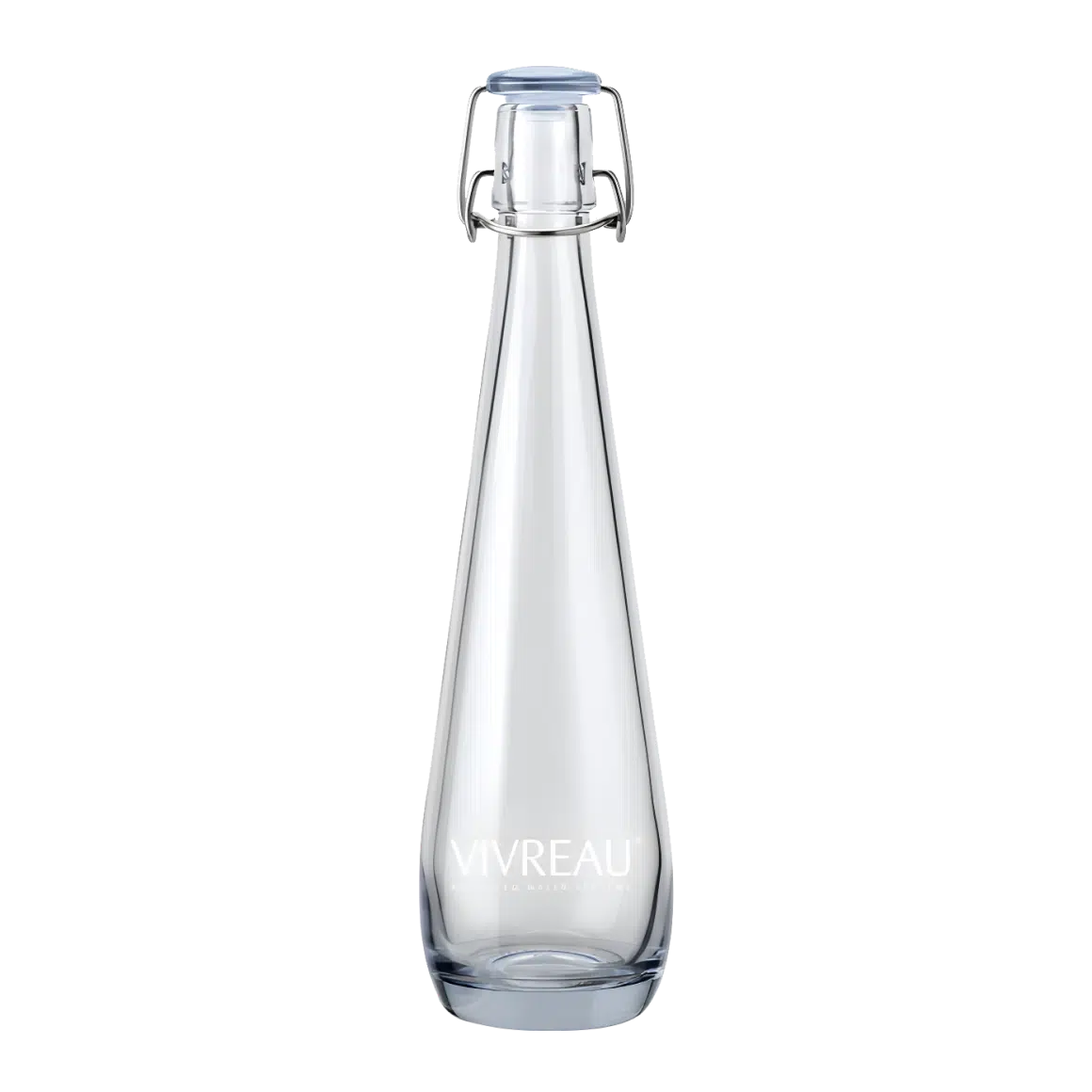
This is also where aesthetics stop being superficial. In many offices, hydration sits in a pantry, boardroom, lounge, or other visible common area. That makes the dispenser part of the environment people experience every day. Reusable glass bottles, cleaner lines, and more polished finishes can make the amenity feel aligned with the rest of the space instead of like an afterthought tucked into a corner.
Installation needs to be assessed early. Plumbing access, ventilation, millwork, and service planning are not minor details, and pretending otherwise usually creates more friction later. Reviewing site-readiness and maintenance requirements is one of the simplest ways to avoid downtime surprises and make sure the solution fits your space before the install window is on the calendar.


Where Better Office Hydration Starts
Good filtration is not an abstract technical spec. It is the reason water tastes better, the reason the pantry feels more polished, and the reason your team spends less time managing the workarounds that come with bottled programs and outdated equipment. When the setup is right, the result is both simpler and more elevated.
If you are ready to match filtration quality, volume needs, and installation realities to the way your space actually works, request a quote and start with a premium hydration setup built for your office.
FAQs
Here are answers to some of the most common questions about filtered water dispensers for office use, with a focus on real-world performance and fit.
-
Are All Water Filters the Same?
No. Different systems are built to address different issues, and certification standards vary based on what the system is designed to reduce. That is why it makes more sense to ask what problem the filter is solving and how its performance is verified than to assume every dispenser with a filter delivers the same result.
-
Can a Filtered Water Dispenser Reduce Plastic Bottle Waste?
Yes. A plumbed-in filtered water dispenser for office use can reduce reliance on packaged water, cut down on storage demands, and remove some of the repetitive waste that comes with disposable bottles. It also tends to make sustainable behavior easier because the better option is already built into the space.
-
How Do I Choose the Best Water Dispenser for My Office?
Start with daily volume, where the dispenser will live, and what kinds of water people expect to use. Then look at taste, serviceability, plumbing readiness, and the level of upkeep your team can realistically support. The best option is usually the one that fits the way the office runs, not the one with the longest feature list.


