











TL;DR
Water dispenser rental usually makes sense when you want a lower upfront cost, simpler budgeting, and a lighter service burden. Ownership tends to be the better option when your space is stable, your usage is predictable, and you want long-term control over the asset. The right choice is usually the one that fits your workflow with the fewest compromises, not the one that looks cheapest in isolation.
When you compare water dispenser rental and ownership, it is tempting to treat the choice like a simple math problem. Monthly payment on one side, purchase price on the other. In practice, the better question is how each option fits the way your space runs, the expectations people bring into it, and the amount of work your team can realistically absorb.
That matters whether you are outfitting a small pantry, a client-facing boardroom, a hotel lounge, or a high-traffic self-serve station. The right setup should not only keep water flowing. It should reduce friction, support the feel of the space, and make day-to-day operations easier to manage.
Rental vs. Ownership: What’s the Real Difference?
Rental usually means you are paying for access to the equipment and a service structure that feels more predictable month-to-month. Ownership means you buy the unit outright, then manage the life cycle more directly, including service planning, maintenance decisions, and eventual replacement timing.
In both cases, the goal is the same: deliver a reliable commercial water dispenser setup that fits the space and keeps the experience smooth.
The tradeoffs tend to look like this:
| Factor | Rental | Ownership |
| Upfront spend | Lower | Higher |
| Budgeting | Predictable monthly expense | Capital expense up front |
| Flexibility | Easier to adapt as needs change | Best when needs are stable |
| Control | More vendor-structured | More direct long-term control |
| Service burden | Often simpler to package | Best when paired with a service plan |
| Best fit | Growing teams, pilots, changing spaces | Mature spaces, steady demand, long time horizon |
The real difference shows up after installation day. If your team is still learning how much demand a space will generate, rental can buy you breathing room. If your traffic patterns are well understood and your design standards are already set, ownership can give you a cleaner long-range answer.
That is why water dispenser rental often appeals to offices in transition, while ownership tends to work better in stable, high-usage environments.
Crunching the Numbers: Total Cost and Flexibility Insights
A line-item comparison between renting vs owning can be useful, yet the more honest comparison includes labor, storage, service coordination, and how often your needs change over the next few years.
Rental usually wins on cash flow and speed to decision. You are not asking the business to approve the same capital outlay, and you are often reducing the number of moving parts your team has to manage. That can be especially helpful when you are testing demand in a new office, refreshing an amenity space, or trying to remove bottled-water logistics without taking on a large upfront commitment.
Ownership gets stronger as your environment becomes more settled. A small workplace might start with one office water dispenser near a pantry and realize a year later that usage is consistent, staff love the setup, and the footprint is not changing.
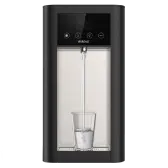
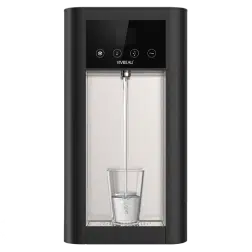
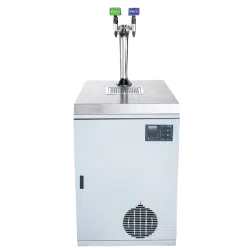
In a compact layout, a countertop water dispenser can make that decision even easier because it solves for convenience and space efficiency at the same time. In a hotel, conference area, or larger campus, ownership can be even more attractive when the volume is steady, and you want the asset to match a broader operational plan.
In many cases, ownership is paired with a service plan that covers maintenance, filter changes, and ongoing support. That brings the day-to-day experience closer to a managed program, while still giving you long-term control over the system.
The hidden costs are usually where the decision sharpens. If your current program still depends on storing cases, restocking meeting rooms, clearing empties, or chasing deliveries, the true expense is not just what you buy. It is the time your team spends keeping an outdated system alive. The better model is the one that removes work from the day, not just dollars from a spreadsheet.
Beyond Cost: Why Experience Matters
Cost gets the meeting on the calendar, but experience makes the decision stick. If the hydration setup feels awkward, looks out of place, or creates small daily hassles, people notice. If it feels seamless, polished, and easy to use, they notice that too.
That is especially true in workplaces where the space itself has become part of the value proposition. In Gensler’s Global Workplace Survey 2024, more than 16,000 office workers across 15 countries were studied through a people-first lens, and the report argues that workplace performance is no longer judged only by efficiency or square footage, but also by the emotional response people have to the space. A hydration program may not carry that story on its own, but it absolutely contributes to it.
Hospitality raises the stakes even further because the guest experience is always under evaluation. The Cornell Hotel Sustainability Benchmarking Index used data from more than 31,500 hotels worldwide to benchmark energy, carbon, and water performance across the sector. That tells you something important: water is not just a utility line item in hospitality. It is part of how operators think about service, performance, and the standards of the property itself.
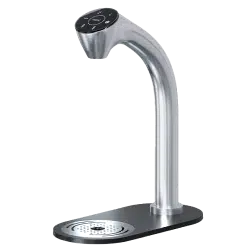
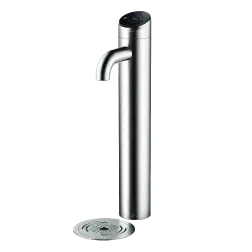
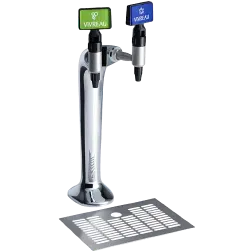
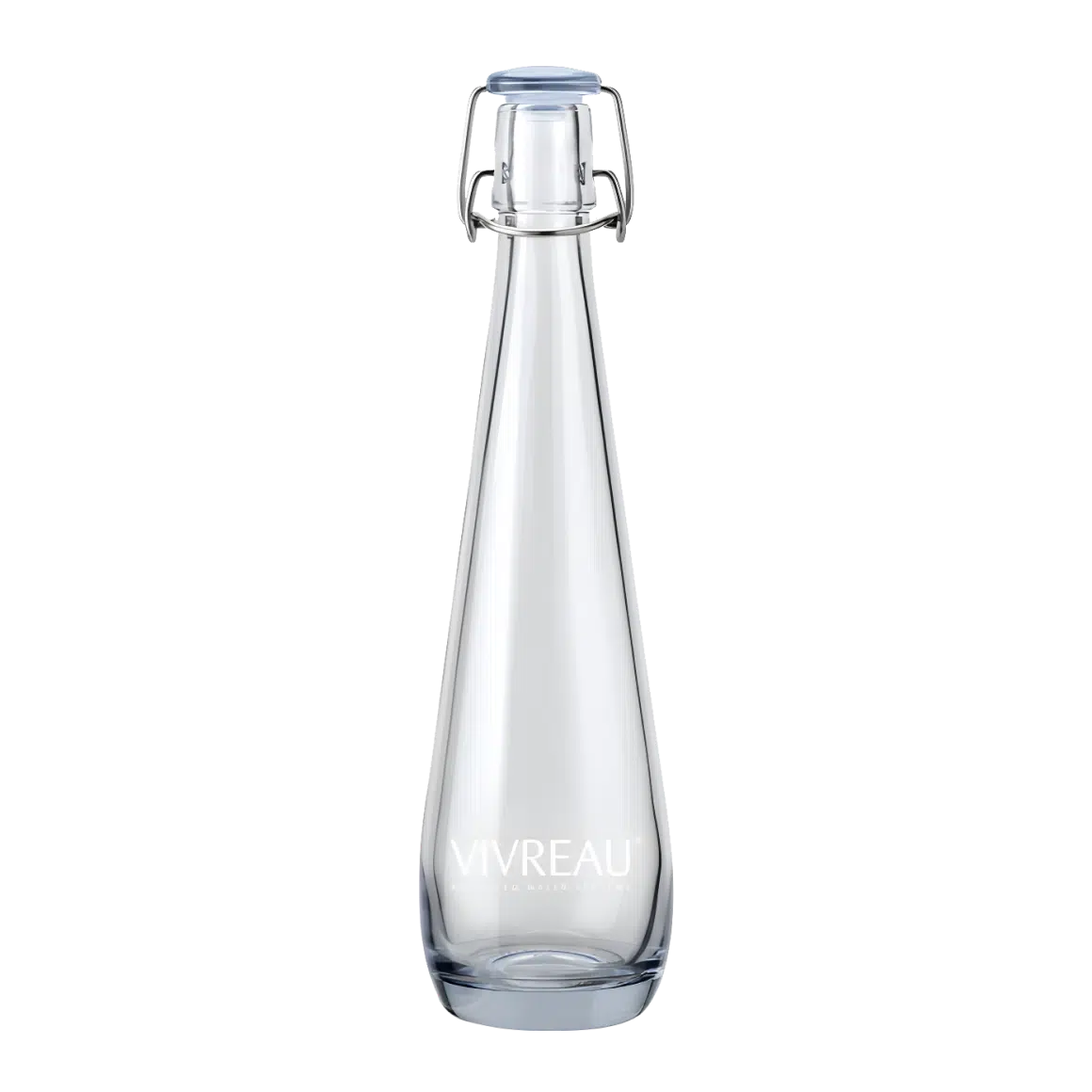
This is where design and service details matter. A sleek tap or sparkling water dispenser changes the feel of a break room or lounge. Branded bottles can make a boardroom, guest room, or meeting space feel more intentional. And in event settings, the same decisions that make hydration easier can also support sustainable event planning.

UNEP’s 2024 reporting on reuse and refill systems points to the growing role those systems play in cutting plastic pollution at the source, and the broader direction of travel is clear. If that matters to your team, it should be part of the conversation, alongside your larger impact goals.
Step-by-Step Decision Framework: Making the Right Choice
Once you zoom out from sticker price, the decision becomes more manageable. You are not really asking which option costs less in a vacuum. You are asking which one fits your space, your timeline, and your appetite for change.
A simple framework can keep that decision grounded:
- Start with stability: If your headcount, traffic pattern, or amenity strategy is still shifting, rental usually gives you more flexibility.
- Map the real workload: Count the labor tied to bottled-water deliveries, storage, restocking, cleanup, and ad hoc fixes.
- Check installation readiness: Confirm placement, water access, and any space constraints before treating either option as plug-and-play.
- Decide how much control you want: Ownership makes more sense when you already know what the long-term setup should be.
- Match the setup to the experience: A back-of-house utility zone has different needs than a client-facing pantry, lounge, or meeting area.
- Plan service before go-live: Whether you rent or own, uptime matters more than the financing structure once the unit is in daily use.
The next step is to start with a small pilot program: one pantry, one floor, one guest-facing zone, or one meeting area. A focused rollout gives you real usage patterns, surfaces any service issues early, and makes the final decision feel earned rather than theoretical.
Make the Smart Choice for Your Business
The best answer is usually the one that makes the space easier to run and better to use. If you want flexibility, lower upfront spend, and a simpler path to predictable costs, rental often comes out ahead. If your needs are settled and you want long-term control over the equipment, ownership can create more value over time.
Either way, the goal is the same: a hydration program that supports the experience you want people to have while taking work off your team’s plate.
When you are ready to find the right fit for your space, request a quote and evaluate the option that matches your budget, installation realities, and service expectations. Whether you choose to rent or buy a water dispenser, our team supports everything from layout planning and installation to ongoing service, so your hydration program stays seamless over time.
FAQs
When you get close to a decision, the same few questions usually come up. These are some of the most common considerations when deciding between renting and buying a water dispenser.
-
Is Renting a Water Dispenser More Cost-Effective Than Buying?
It can be, especially when you need predictable monthly costs and want to avoid a larger upfront expense. Rental is often the better fit when your needs may change or when you want to simplify service and budgeting from the start.
-
Can Ownership Provide Better Long-Term Savings?
Yes, especially in a stable environment with consistent usage. If you already know the location, volume, and long-term role of the dispenser in the space, ownership can become the more efficient model over time.
-
Does Rental Limit Customization or Premium Features?
Not necessarily. The financing model matters less than the equipment you choose and how well it fits the space. You can still prioritize design, still and sparkling options, and a premium user experience when rental is the better operational fit.


