









TL;DR
Choosing between the different types of water dispensers is less about the product itself and more about how your workplace functions day-to-day. Factors like traffic, visibility, and workflow shape whether a countertop unit, integrated tap, high-volume system, or smart-connected setup will perform best. When those variables are aligned, the result is a smoother experience, less operational friction, and a hydration program that actually supports the space.
Modern workplaces are under pressure to do more than provide the basics. They need to feel polished, run smoothly, and support employee expectations without creating more work for facilities, operations, or office managers. That is why the different types of water dispensers available today deserve a closer look.
What used to be a simple utility decision now affects experience, workflow, and long-term operating costs. Hydration touches shared spaces, employee routines, and the overall experience of the environment. The right setup can reduce deliveries and storage headaches, improve the look and feel of common areas, and make access to water more seamless for everyone using the space.
Choosing a water dispenser is less about comparing products in isolation and more about understanding how hydration fits into the rhythm of the workplace. When that alignment is right, it supports both the experience people notice and the operational ease teams rely on behind the scenes.
Why Modern Offices Are Rethinking Water Dispensers
Hydration now sits inside a much bigger workplace conversation. You are not only choosing how people get water. You are choosing how a shared space feels, how much staff effort goes into keeping it running, and whether the experience matches the rest of the environment.
Workplace research keeps pointing in the same direction. Employees value spaces that are better designed, easier to use, and more supportive of their daily routines. Gensler’s Global Workplace Survey 2024 and Harvard’s healthy workplaces research both reinforce the idea that the physical environment shapes how people feel and perform at work.
Hydration may seem small, but it is one of the most visible, most repeated interactions in a workplace.
That is one reason many offices are moving beyond bottle delivery and older jug-based setups. The goal is not only convenience. It is also to reduce clutter, reduce manual upkeep, and create a more streamlined experience for employees and guests.
There is a measurable operational case behind that shift, too. Moving away from pre-bottled water can reduce CO2 emissions by an average of 86%, cut up to 1,115 pounds of waste per dispenser each year, and significantly lower the overall cost of a workplace water program.
Those numbers become even more meaningful when you look at the broader waste picture. In 2018, over 35 million tons of plastic were generated in the U.S. alone. Much of that comes from containers and packaging, including beverage bottles, yet only a small percentage is actually recycled. The majority ends up in landfills, which is why more organizations are focusing on reducing packaging altogether.
As workplaces place more emphasis on experience, efficiency, and reliability, water dispensers are no longer designed as one-size-fits-all solutions. Instead, they are built to support different layouts, usage patterns, and service expectations.

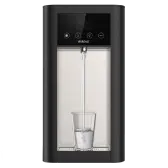
Countertop
Best Fit: Small offices, pantry areas, back-of-house spaces
What It Solves: Saves space and supports steady daily use

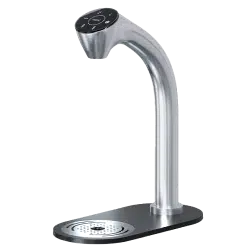
Integrated tap
Best Fit: Lobbies, collaboration zones, executive areas
What It Solves: Creates a cleaner, more premium self-serve experience

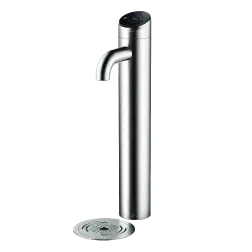
High-volume system
Best Fit: Large teams, events, cafés, hospitality-style service
What It Solves: Handles rush periods and reusable bottle programs

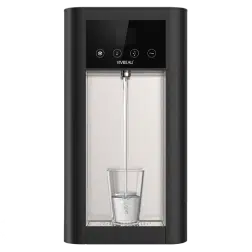
Smart-connected system
Best Fit: Multi-site environments, uptime-sensitive programs
What It Solves: Improves service visibility, diagnostics, and reliability
When you look at water dispensers this way, the decision becomes more straightforward. Instead of comparing features, you can focus on how hydration should support the rhythm and standards of your space.
Countertop vs. Integrated Water Dispensers: Which Fits Your Space?
Countertop and integrated systems can both improve the experience of a workplace, but they solve different problems. Choosing between them usually starts with the space itself.
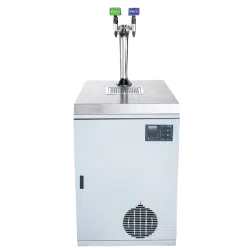
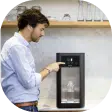
A countertop water dispenser tends to make the most sense when square footage is tight and usage is predictable. In smaller offices, breakrooms, and support spaces, a unit like the Top Pro gives you filtered still and sparkling water without needing a full design overhaul. That makes it a strong choice when you want a cleaner setup but still need flexibility around footprint and installation readiness.
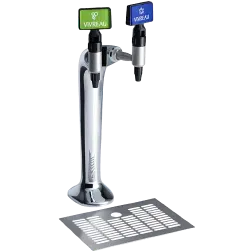
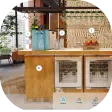
Integrated systems fit a different kind of workplace goal. In lobbies, client-facing lounges, and design-forward pantry spaces, the dispenser becomes part of the environment people see and use all day.
The Extra I-Tap is built for that kind of role, pairing still, sparkling, and hot water options with a sleek profile and ThermalGate tap disinfection. This is where a water dispenser starts to feel less like an add-on and more like a natural part of a premium hospitality experience inside the office.
The tradeoff comes down to how space is allocated. Integrated taps require more undercounter space to house the system components, while countertop dispensers keep more of that hardware above the counter with a built-in chiller. That can make countertop units easier to accommodate in spaces with limited cabinetry, while integrated systems work well when undercounter capacity has been planned into the design.
In other words, the right answer is rarely about which option sounds better on paper. It is about which one best matches the demands of the room.
This is also where you need to look at the cost more realistically. The cheaper-looking choice is not always the lower-burden choice over time. When a dispenser reduces refill effort, cuts down on delivery logistics, and supports a better end-user experience, it changes the equation from purchase price alone to total program fit.
High-Volume & Smart Water Dispensers: Scaling Hydration With Ease
Once you move beyond smaller pantry settings, capacity and uptime start to matter more than footprint alone. This is the point where many workplace teams realize that a standard office water dispenser is not enough for the way their space actually operates.
High-volume systems are built for busy environments where demand comes in waves. Large conference floors, all-hands events, cafés, hospitality-driven offices, and multi-use amenity spaces all create moments when output matters.
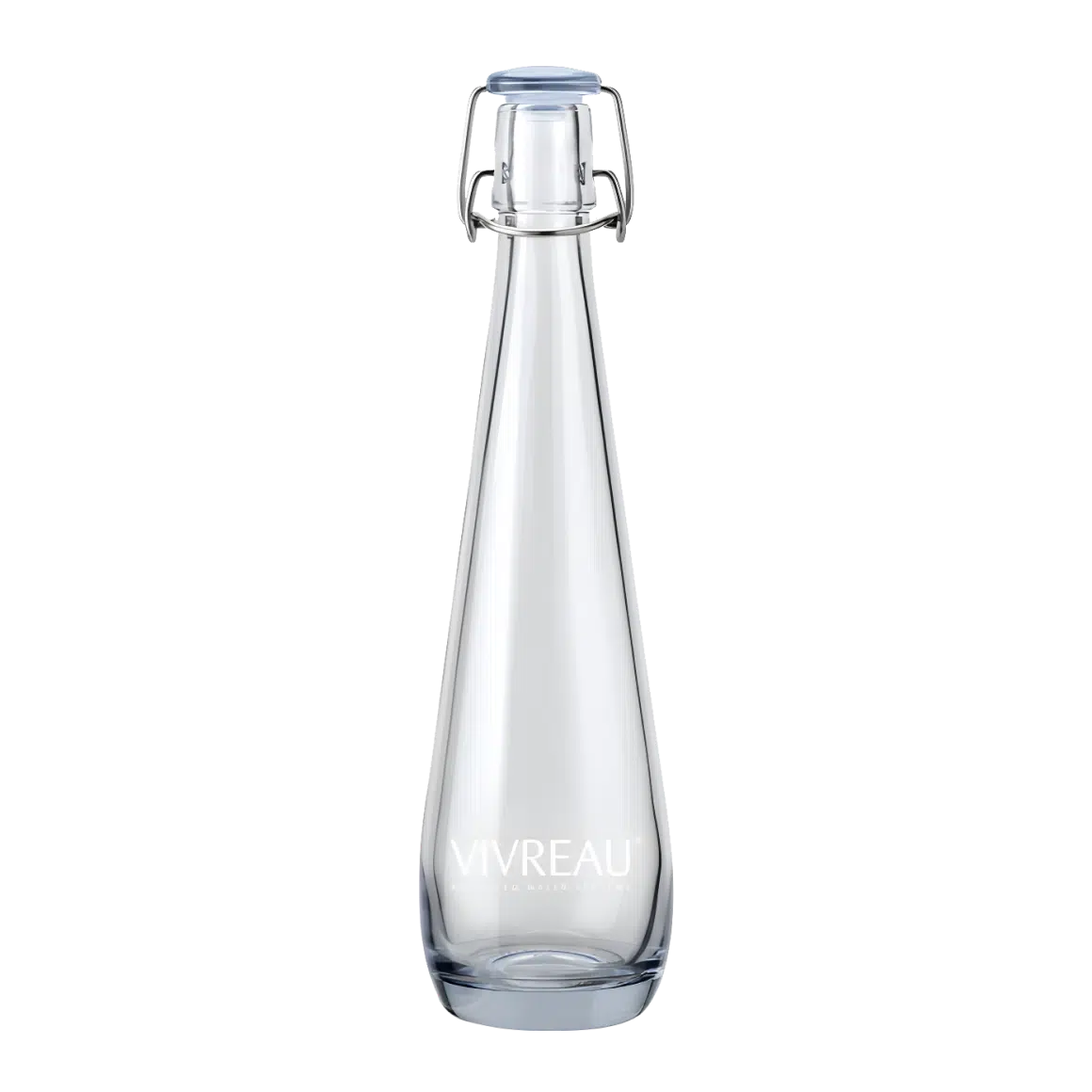
Vivreau’s high-volume bottling systems are designed for that kind of throughput, making it easier to serve chilled still or sparkling water quickly while supporting reusable bottle programs instead of cases of packaged drinks.
That scale is especially useful when plastic water bottles have become the default fallback. Large offices often end up over-ordering packaged water because it feels like the simplest backup plan. In practice, that can mean more storage, more hauling, and more inconsistency in how the experience looks from one event or meeting to the next.
Smart-connected systems solve a different problem: reliability. The iQ Solution smart water dispenser platform uses connected serviceability to support proactive monitoring, remote fixes when possible, and better-prepared service visits. For workplaces where visible downtime creates friction fast, that kind of support matters as much as the dispenser itself.
You also see this need more clearly in higher-traffic sectors. In schools and universities, for example, refill demand, dining rushes, and event use make volume and reliability non-negotiable. The same logic applies to larger corporate settings. At that point, the real question is not how to add a dispenser. It is how to build a hydration program that keeps pace with the space.
How to Choose the Right Water Dispenser for Your Office
The best water dispenser is the one that matches your actual workflow, not the one with the longest spec sheet or the most eye-catching feature list.
Start by looking at four factors together: headcount, peak demand, visibility, and maintenance expectations. A small employee pantry with steady daily traffic has very different needs from a lobby that hosts clients or a conference center that sees periodic surges.
| If Your Workplace Looks Like This | Best Starting Point | Why |
| Small team, limited space, steady daily use | Countertop unit | Easier fit with lower spatial demands |
| Premium pantry, lounge, or lobby | Integrated tap | Stronger design presence and smoother self-service |
| Large office, events, or heavy refill demand | High-volume system | Better throughput and less dependence on packaged backup |
| Multi-site or uptime-sensitive operation | Smart-connected setup | Better diagnostics and more predictable support |
You should also look at installation readiness. A streamlined result still depends on practical details such as plumbing access, placement, drainage, and service planning. That does not mean the process has to be difficult. It means the strongest outcomes come from choosing a solution that fits the realities of the space instead of forcing the space to work around the product.
Procurement can shape the process, too. Some teams are still comparing categories, while others already know the footprint they want and need a faster path through early research. In those cases, the ability to buy water dispensers online can make shortlisting easier before a final scoped conversation.
The right choice usually becomes clearer once you compare how each option will affect staff burden, user experience, and consistency across the workday.
A Better Hydration Program Starts With the Space
The right setup does more than improve access to water. It reduces friction, supports a more polished experience, and helps the space work the way you want it to work for employees and guests.
When you choose based on workflow, visibility, and service expectations, the result feels less like a product upgrade and more like an operational improvement people notice every day.
If you are ready to compare the right fit for your workplace, request a quote to explore a setup that aligns with your space, your usage patterns, and the experience you want to create.
FAQs
As you narrow down your options, a few practical questions tend to come up. These are the ones that help clarify what to expect day to day, from efficiency and maintenance to long-term fit.
-
Are Modern Water Dispensers More Efficient Than Traditional Water Coolers?
In most commercial settings, yes. Efficiency usually shows up in fewer deliveries, less storage, less manual refilling, and a more consistent self-serve experience for employees and guests. It can also show up in reduced staff interruption, especially in spaces that previously relied on packaged water, carafes, or constant restocking.
-
Can These Dispensers Help Reduce Plastic Bottle Waste?
Yes, especially when they replace bottled delivery programs or heavy reliance on single-serve packaged water. The biggest gains usually come from reducing disposal volume, delivery frequency, and the operational clutter that builds around backup inventory.
-
How Do I Choose the Best Dispenser for My Office?
Start with the way your space actually functions. Look at daily traffic, peak demand, visibility, and how much staff effort goes into keeping hydration running today. Once those variables are clear, the right category usually becomes obvious, whether that means countertop, integrated, high-volume, or smart-connected.


