










TL;DR
A premium restaurant water dispenser improves guest experience and operations at the same time. You get faster, more consistent service, less back-of-house friction, and a more design-forward hydration program that can replace the clutter and cost of bottled water.
Picture a Saturday dinner rush. A server is scanning for a clean carafe, someone behind the bar is short on chilled bottles, and a manager is already thinking about where tomorrow’s delivery will go because storage is tight again. Water service rarely creates the biggest problem in a restaurant, but it creates a steady stream of small interruptions that guests can feel.
That is where a restaurant water dispenser makes a real difference. The right setup helps you serve still, sparkling, and hot water faster, reduce the labor drag of bottled programs, and create a more polished experience without pretending installation or maintenance are effortless.
Why Traditional Water Service Slows Restaurants Down
Water service looks simple until you trace how many hands, steps, and backup plans it takes to keep it moving. In a business where timing and consistency shape the guest experience, those extra motions add up fast.
Front-of-house usually feels the problem first. A table asks for sparkling, another wants still with no ice, and a third needs a refill before entrées land. None of that is difficult on its own, but traditional water service turns it into a chain of manual tasks. Someone has to refill pitchers, grab bottles, and manage temperature, and that inconsistency shows up in the service.
Back-of-house carries the hidden burden. Cases of bottled water take up space, need restocking, and pull staff into low-value work during busy windows. This is a real cost when labor remains one of the industry’s biggest line items.
In banquets, private dining, and bar-forward concepts, that pressure increases. Volume is higher, timing is tighter, and there is less room for delays or workarounds. When water service depends on manual steps, it becomes one more point of failure in an already complex service flow.
Taste and presentation also carry weight. In premium dining, guests notice details that signal care, and water is one of them. Flat flavor, off-notes, or uneven temperature can quietly undermine an otherwise polished meal. That is why fine water in hospitality must be a more deliberate part of service. When taste, temperature, and presentation are controlled, water reinforces the quality of the experience instead of distracting from it.
Once you look at water service as a workflow issue instead of a commodity purchase, the opportunity becomes clear. The real question is not whether guests need water. It is whether your current system helps or hinders the kind of service you want to deliver.

How Premium Water Dispensers Elevate Guest Experience
When water service becomes faster and more consistent, guests feel the improvement right away. The benefit is not only operational. It changes the rhythm and polish of the room. That is where a premium water dispenser starts earning its place.
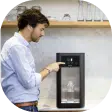
The first shift is speed with control. A restaurant water dispenser that delivers chilled still, sparkling, and hot water on demand gives your team one reliable source instead of several workarounds.
During brunch, that might mean quick still and sparkling pours without a scramble for bottles. During dinner, it might mean smoother tableside service that feels deliberate rather than reactive. During prep, an instant hot water tap can shave small delays out of tea service, coffee support, or light kitchen tasks.
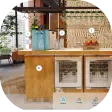
The second shift is visual. Guests read the room before they read the menu. A design-forward hydration setup feels aligned with an open kitchen, a refined bar, or a polished service station in a way that backup cases and mixed bottle inventory never will. This is where hotel and restaurant water dispenser systems designed for guest experience start to stand out. Hydration becomes part of the atmosphere and reinforces the overall look and feel of the space. 
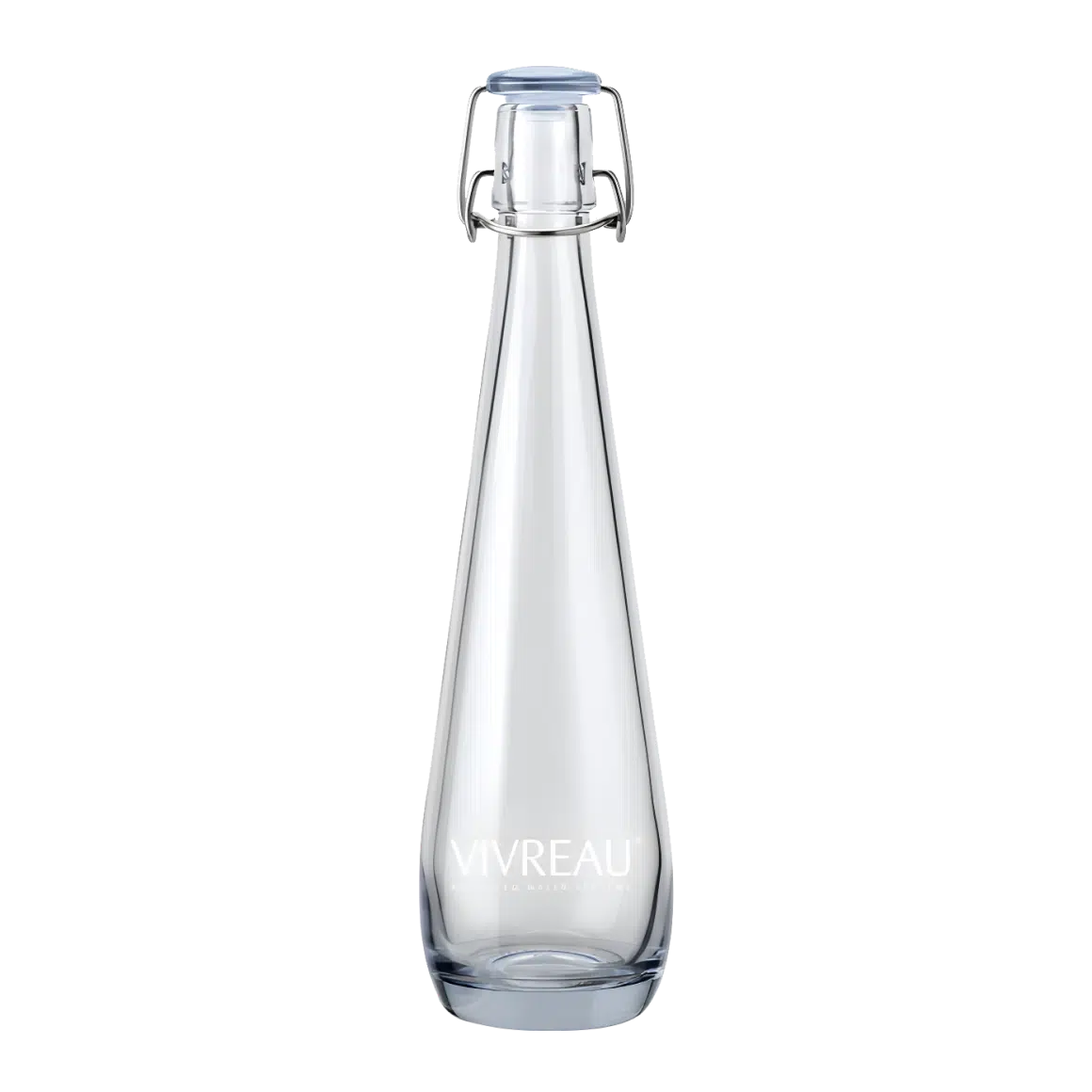
Branded, reusable glass bottles also help create a more cohesive experience. Tableside pours feel more intentional. Taste, temperature, and presentation stay more consistent. You avoid the awkward mix of labels, bottle formats, and last-minute substitutions that can make a dining room feel patched together. In higher-end spaces, that consistency often matters as much as the water itself.
This is why premium water service tends to get noticed even when nobody comments on the equipment directly. Guests notice that service feels cleaner, faster, and more considered.
Operational and Sustainability Wins You Will Notice Immediately
Guest-facing improvements matter, but the daily operational gains are often what make a new system stick. If your team is already stretched, a better hydration program needs to remove work, not just move it around. This is where the right commercial water dispenser proves its value.
The most immediate gain is fewer repetitive tasks. Instead of managing deliveries, chilling cases, refilling carafes, and checking backup stock, your team can pour on demand from a single source.
That does not sound dramatic, but in a restaurant, it changes how service flows. The person who would have been hunting for bottles can stay with guests. The prep station that used to get crowded with refills can stay focused on production.
You also gain cleaner use of space. Bottled programs consume storage, refrigeration, and visual bandwidth. They create clutter in places that need to feel organized and ready. Moving to self-bottled, filtered still and sparkling service can reduce the pressure on all three. Fewer cases, fewer empties, and fewer emergency restocks make the day run better.
Restaurant water dispenser systems also support sustainability. The EPA’s guidance on sustainable food service and food service ware points to refill systems and reusable formats as a stronger path than disposable beverage programs.
Packaging accounts for roughly 36% of global plastic production. Moving away from bottled water and choosing sustainable water solutions directly reduces that footprint while simplifying daily operations. Fewer cases to store, fewer deliveries to manage, and fewer empty bottles to discard all translate into a cleaner, more efficient setup.
For guests, that shift is easy to read. A reusable bottle program signals intention and care in a way that disposable formats no longer do.
How to Pick the Right Restaurant Water System
Choosing the right system is about fit before features. You are not buying it for the spec sheet. You are buying for your floor plan, service style, and staffing reality. That is why the selection process should start with workflow.
Begin with where water is actually served. If most pours happen at the bar or service station, front-of-house access matters most. If prep, tea, coffee, or banquet support drives more volume, back-of-house placement may matter more. A small dining room with limited storage will evaluate needs differently than a larger concept with private events and branded bottle service.
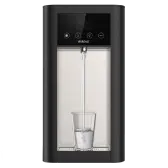
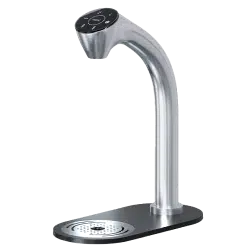
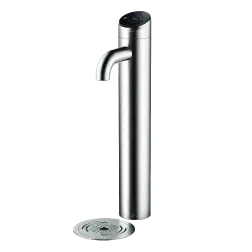
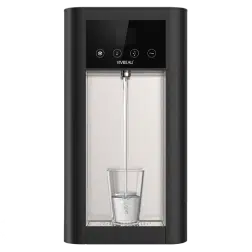
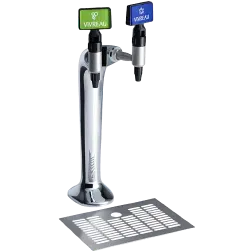
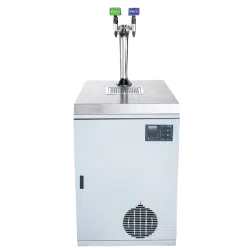
Then compare the footprint. A countertop water dispenser is often the right choice when space is tight, when installation flexibility matters, or when you want a compact station near the bar or prep area. An integrated system may make more sense when design continuity, output, or high-volume bottling matter more. The best answer is usually the one that disappears into the way your team already works.
The feature mix should follow your service model. A sparkling water dispenser is a real upgrade when sparkling orders are common or when you want reusable bottle service to feel premium and consistent. An instant hot water tap makes more sense when tea, coffee support, or back-of-house prep would benefit from it every day. A hospitality-focused setup should match the pace and expectations of the room.
Lastly, consider the installation. In restaurants, that means thinking through water-line access, ventilation, available space, and CO2 supply if sparkling service is part of the plan.
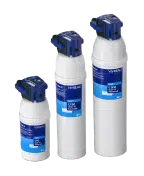
It also means checking standards and efficiency instead of assuming all systems are built the same. The NSF water systems certification provides a useful benchmark for how filtration systems are tested and validated, while ENERGY STAR highlights how equipment performance and energy use factor into long-term operating costs.
A well-specified system should deliver consistent taste and output while meeting these kinds of standards and running efficiently in a commercial kitchen or bar environment.
When Water Service Starts Working for You
The best upgrades in a restaurant are the ones guests notice without needing them explained. Better water service does exactly that. It makes the room feel more polished, gives staff a cleaner rhythm, and replaces a surprising amount of daily friction with something that simply works.
If you are ready to build a more streamlined, design-forward hydration program, request a quote and explore the right setup for your restaurant.
FAQs
These are some of the common questions that come up once you start thinking seriously about upgrading your water setup.
-
Can Restaurant Water Dispensers Improve Speed of Service?
Yes. The biggest gain usually comes from removing handoffs and low-value tasks. When staff are not restocking bottles, refilling pitchers, or improvising around temperature and inventory issues, service becomes more direct and consistent.
-
Are These Systems Environmentally Friendly?
They can be, especially when they reduce reliance on disposable bottles and support reusable service formats. In most restaurants, the environmental benefit shows up alongside operational wins like less storage pressure, fewer deliveries, and cleaner back-of-house flow.
-
How Do I Choose the Best Water Dispenser for My Restaurant?
Start with your actual service reality. Look at guest volume, where water is poured, how often sparkling is ordered, whether hot water matters, and how much room you have for installation. The best commercial water dispenser is the one that supports your workflow without adding complexity.


