












TL;DR
Sustainable event planning comes down to a handful of high-impact swaps, including bottle-free hydration, smarter catering, greener transportation, and reusable decor, that cut waste without cutting the experience.
- You’ll learn the five biggest sources of event waste and a practical fix for each one
- You’ll walk away with swaps you can apply immediately, from water refill stations to digital signage and rented decor
- You’ll be ready to meet the sustainability expectations attendees, venues, and sponsors now bring to every event
Events bring people together in powerful ways—sparking connections, sharing discoveries, and inspiring partnerships that drive progress. It’s a space full of potential and possibility.
This article was originally written in 04/2025 and has since been updated in 09/2026 to reflect new findings and data points.
Unfortunately, events also have the potential to generate a lot of waste and negative environmental impact. You’ve probably felt that tiny pang of guilt lugging around a tote bag stuffed with promo items you’ll never use (but hey, it was free!).
It’s just the math when slightly unsustainable choices are scaled across a vast number of attendees. But the beauty of it? Event planners and hosts, when you make sustainable adjustments to your event planning decisions, the positive results amplify just as fast.
With growing consumer awareness of sustainability and corporate social responsibility, now is the perfect time for change. The key lies in recognizing the common eco-pitfalls in event planning and equipping yourself with creative solutions to make your next event greener.
That’s why we’re sharing our top tips in our Sustainable Events Guide below. So sharpen your pencils, bookmark this page, and let’s get ready to plan your next eco-friendly event.

Sustainable Events 101: The Biggest Culprits of Event Waste—and How to Fix Them
Key Takeaways:
- Thinking about sustainable choices at the planning stage = easy wins.
- Give attendees the option to choose greener options (water refill stations, digital check-in) and they will.
- Ask your venues and vendors about their eco-friendly catering and event options and leverage their solutions.
- Venue operators – get ahead of the curve, and compete as culture shifts towards green solutions. Invest in turn-key sustainable options for your event clients and become a preferred vendor.
- Green solutions can also be more cost effective, adding green to your budget too.
1. Drink Smart – Skip the Plastic
Eco Challenge: Sheer volume of single-use plastic water bottle and disposable drink waste
Plastic Waste: Guests need to stay hydrated, and the convenience of single-use plastic drink bottles and styrofoam cups leads to an enormous volume of plastic waste per event.
But it’s recyclable? Not always. When recycling bins are unavailable or inconveniently located, plastic is often thrown into the trash, and cities also differ in their ability to handle recycling efficiently or at all.
Transport Waste: Bottled water can travel thousands of miles with distribution before it’s delivered, wasting fuel and generating pollution
Green Hydration Solutions:
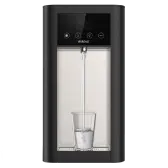
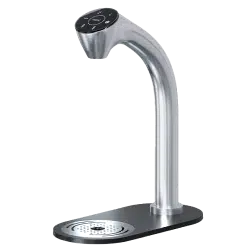
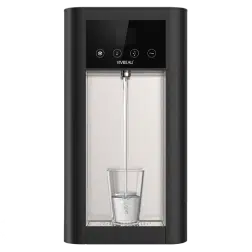
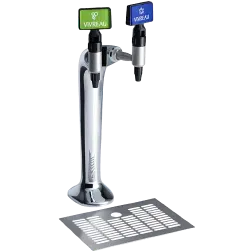
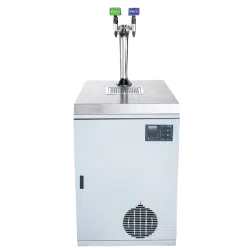
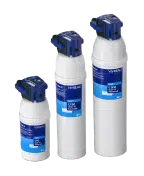
- Water Filtration: Set up micro-filtered water dispenser stations in key locations, so attendees can easily refill their reusable water bottle to stay hydrated all event long without any waste. By purifying local water, the taste is superior to bottled, and offers more variety (chilled, sparkling, hot). Rentals can be available, or your venue may already have dispensers installed. Vivreau offers a variety of water filtration systems.
- Reusable Bottles: Have reusable bottles available for attendees. Consider offering incentives by partnering with a sustainable water bottle brand or using branded bottles as a sponsorship opportunity.
- Water Habits: Vivreau’s recent water habits survey shows on average 60% of workers bring their reusable water bottles with them – a perfect pairing with water stations.
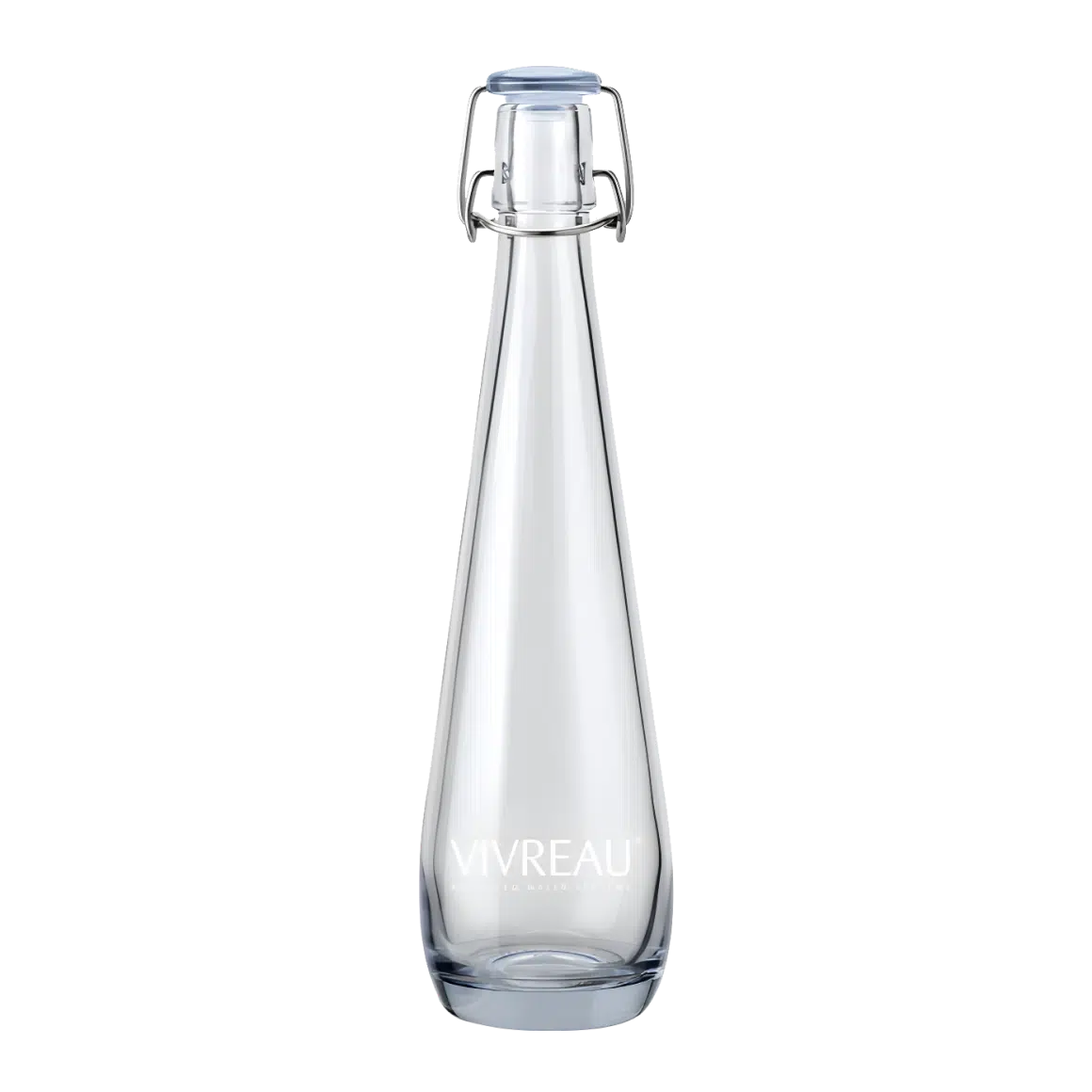
- Glass for Class: Provide glassware options at drink stations to elevate the experience while reducing waste.
- Refillable Serving Bottles: Venue hosts, consider offering or selling house-bottled microfiltered water as part of your catering packages, paired with high-volume water filtering and bottling stations for back of house. Increase revenue while reducing imported water plastic waste.
- Storytelling: Add signage that emphasizes your commitment to sustainability at water stations to build a sustainable storytelling and branding impact.

2. More Taste, Less Waste – Smarter Event Catering
Eco Challenge:
Menu Selection: Event food choices are not made equal when it comes to sustainability, and unsustainable menu choices can create a negative ecological impact. Menus heavy in meat-based items have a higher ecological burden on food production, and non-local and out of season ingredients create higher transportation pollution.
Food Waste: The volume of excess and leftover food after meals creates waste when diversion or disposal is not coordinated with sustainability in mind.
Food Packaging: Excess food packaging for individually served items creates more event related garbage.

Green Catering Solutions:
- Menus – Event planners: Select catering menu options that are sustainably, locally sourced and seasonal where possible, and provide plant-based food options.
- Menus – Event hosts: Create turn-key sustainable menu options for event planners by establishing food vendor partnerships and menus that keep sustainability in mind.
- Surplus Food and Community: Venues, consider if there are local community organizations that may benefit from surplus catering items. Established partnerships can help for both social responsibility and sustainability.
- Skip the Packaging: Consider buffet-style dining options with reusable cutlery and drinkware instead of individually packaged meals to cut down on food packaging waste. If disposable dining items are a must, consider compostable options.
- Clever Observations: Look at the patterns of food waste to find creative solutions. For example, to create the vision of plenty while reducing waste, consider using smaller vessels for items such as butter or sauces that you see are always left over. Observe, experiment, and improve.
3. From Cars to Carbon: Green Your Transportation
Eco Challenge:
Logistical Loss: Those on the conference and event circuit can log a serious amount of hours on planes, trains, and automobiles getting to each event, with a bigger carbon footprint as a result.
Here to there: If sustainable transportation options aren’t available for guests while at the event city, they’ll choose the easiest and least sustainable option.
Location, location, location: The event location may require many attendees to travel far distances to attend.
Transportation Solutions:
- Virtual Reality: Consider a hybrid in-person and virtual event, especially or keynote events. It may broaden your event’s reach, and may encourage more attendees to join who can’t physically attend due to scheduling or travel costs. It can also cut down transportation carbon waste as a result, and improve sustainability.
- Carpool Karaoke: For event city transportation, consider providing carpooling, and ride-sharing incentives. Providing information on public transportation and bike-sharing programs may encourage attendees to take part.
- Hometown hero: Can the event city be adjusted? If there’s an option to host in the area closest to most attendees, it may be a more sustainable choice by reducing overall travel across attendees.
4. Swag Smarter: Rethinking Wasteful Freebies
Eco Challenge:
(Not so) Free Promo: Free promo items are often cheap, non-recyclable, and often picked up by attendees as a habit, and more often just discarded. The problem compounds with the sheer volume of attendees.
Simplicity for the Win: When items are branded specifically for an event, surplus items after the event can’t be reused and need to be discarded
Printed items: Maybe not a freebie, but definitely given away, consider that full printed catalogs waste paper when a digital version may suffice.
Promo Solution:
- Sustainability Storytime: Consider that your disposable, branded plastic stress ball item may not be sending the best messaging about your company in our sustainability focused culture.
- Green Choices: Sustainable and better option for promotional items are available, with more available each year. Some ideas include:
- Cotton tote bags, branded pencils and pens made of bamboo or wood, and notebooks, branded edibles such as chocolates.
- Reusable branded water bottles or travel mugs.
- Items branded simply with the company logo and without even specific language, allowing surplus items to be reused for future events.
5. Setting the Scene Sustainably: Eco-Friendly Event Décor and Signage
Eco Challenge:
Décor, signage and equipment required to set up a venue for events looks beautiful in the moment but can leave negative lasting impression (aka – in the landfill).
Operational items, such as event lanyards and plastic badge holders, event-specific vinyl printed banners and décor items purchased for a single event can be wasteful if discarded improperly.
Display Solutions:
- Digital Sustainability: Venues, provide monitors and screens to showcase digital signage for your events, and event planners, consider digital registration and invitation solutions.
- Recycling: Encourage recycling by having recycling bins easily accessible and beside garbage bins throughout the venue.
- Badge of (Eco) Honor: For 1-2 day events, consider eliminating the plastic badge holder altogether, and opt for a printed thick cardstock badge instead. Longer event? Have lanyard recycling bins at the venue exits points at the end of the event, where a large batch can be recycled through programs such as Terracycle.
- Bring the outside in: Rent décor rather than purchasing new, or donate used décor items at the end of the event instead of simply throwing away. Where possible consider natural décor such as flowers, and plants. Event hosts – consider offering décor options for planners to rent directly.

How do sustainable water programs reduce ocean plastic pollution in 2026?
In 2026, sustainable water programs are playing an increasingly measurable role in reducing ocean plastic pollution. With over 11 million metric tons of plastic entering oceans each year, businesses are shifting toward filtered water dispensers and refillable systems to eliminate single-use bottles at the source.
These programs not only reduce waste but also align with broader ESG goals and corporate sustainability commitments. Organizations adopting bottle-free solutions report significant reductions in plastic consumption, often eliminating tens of thousands of bottles annually.
As consumer and regulatory pressure continues to rise, sustainable water initiatives are no longer optional, they are a core component of responsible business operations and ocean conservation strategies.
Are There Water Dispensing Systems That Can Help Lower Carbon Emissions for Businesses?
Yes. Plumbed-in, micro-filtered water systems cut the two biggest sources of hydration-related emissions at events: manufacturing single-use bottles and transporting them. Because the water is filtered, chilled, and carbonated on site, it never travels farther than the distance from the dispenser to the glass.
The industry is now measuring exactly this kind of impact. The Net Zero Carbon Events initiative commits the global events industry to cutting emissions 50% by 2030 and reaching net zero by 2050, and the updated ISO 20121:2024 standard builds environmental, social, and governance requirements directly into event sustainability planning.
For event planners, hydration is one of the easiest wins on that scorecard. A single refill station decision removes thousands of bottles, along with their packaging and transport, from your event’s total footprint. And it is a change your guests can see, taste, and refill all day long.
Together, we can make sustainability the standard.
Vivreau is here to support your sustainability journey with our wide range of micro-filtered hydration solutions, perfect for events and venues. Partner with us to elevate your event while making a positive impact on the environment. Together, we can make sustainability the standard.
FAQs
-
What is the most sustainable way to provide water at an event?
The most sustainable option is a micro-filtered water refill station paired with reusable bottles or glassware. Refill stations connect to the venue’s existing water supply, so there is no bottled water to manufacture, transport, or discard. Attendees simply refill as they go, and the water often tastes better than bottled because it is purified on site and served fresh, whether chilled, still, or sparkling. Vivreau’s hydration habits survey found that on average 60% of workers already carry a reusable water bottle, so most guests arrive ready to participate. For a more elevated look, drink stations can serve refillable glass bottles filled in-house. Either way, one hydration decision removes thousands of single-use bottles from a single event.
-
How do water refill stations reduce an event's carbon footprint?
Bottled water carries emissions at every step: producing the plastic, filling and packaging the bottles, trucking them to the venue, and hauling the empties away. A refill station eliminates nearly all of it by filtering and serving local water steps from where guests drink it. There is no manufacturing footprint for single-use bottles, no long-distance transport, and far less waste for the venue to manage after the event ends. That matters more as the industry formalizes its climate commitments. The Net Zero Carbon Events initiative, launched at COP26, commits the events industry to cutting emissions 50% by 2030 and reaching net zero by 2050. Hydration is one of the simplest line items to decarbonize along the way.
-
What is ISO 20121 and does it apply to my event?
ISO 20121 is the international standard for event sustainability management systems, and it applies to organizations of any size that plan or host events. The standard was updated in 2024 with stronger environmental, social, and governance requirements and more flexible ways to demonstrate compliance, including self-declaration and third-party certification. You do not need formal certification to benefit from it: the framework helps planners identify where an event creates waste and emissions, set measurable targets, and show progress to clients and sponsors. High-profile events increasingly reference the standard, and venues that align with it are becoming preferred partners. If sustainability is part of your event brief, ISO 20121 is a practical place to anchor your planning decisions.
-
Do attendees actually use water refill stations at events?
Yes, and participation keeps climbing. Vivreau’s water habits survey found that on average 60% of workers bring reusable water bottles with them, which pairs perfectly with refill stations placed in key locations around a venue. The keys are visibility and convenience: stations near registration, session rooms, and lounges get steady traffic, while a single hidden station will not. Offering chilled, sparkling, and still options gives attendees a reason to seek stations out, and signage that highlights your sustainability commitment turns each refill into a small brand moment. Many planners also hand out or sell reusable bottles on site, sometimes as a sponsorship opportunity, so even guests who arrive without a bottle can join in.
Latest Posts


