







TL;DR
The right commercial water dispenser is the one that fits your daily usage, installation needs, and long-term operating goals.
- Match the system to volume, peak demand, and the types of water people expect.
- Factor in plumbing, power, drainage, service access, and long-term costs.
- Choose a solution that improves reliability, reduces staff effort, and creates a better overall experience.
Modern workplaces and hospitality spaces are being asked to do more with less. You need amenities that feel premium, operate reliably, and support sustainability goals without adding more staff work, more deliveries, or more clutter. The right commercial water dispenser can do all three.
That also raises the stakes for choosing the right system. In 2026, the question is not simply whether you need chilled, sparkling, or hot water. It is whether the system fits your space, your traffic, your service expectations, and the experience you want people to associate with your brand.
Why Modern Businesses Invest in Commercial Water Dispensers
A dispenser is not just a utility. In the right setting, it becomes part of the daily experience, part of the workflow, and part of how your space is remembered.
Expectations around workplace and guest amenities have shifted. As JLL notes in its 2024 look at the evolution of workplace amenities, organizations are being judged on the full experience of the space, not just on the basics. A visible office water dispenser in a pantry, lounge, or meeting area can reinforce convenience, care, and design quality in one move.
The financial case is just as practical. Over a three- to five-year period, bottled delivery programs tend to increase costs through recurring water purchases, delivery fees, storage, refrigeration, and internal labor.
Bottleless systems move that spend into a more predictable operating model built around filtration, service, and energy use, which makes budgeting easier and usually lowers total cost of ownership over time. Businesses can reduce the cost of their water program by 86% by moving away from bottled water logistics.
Sustainability is part of the value. On average, a single dispenser like the Extra C-Tap can reduce CO2 by 86% compared to pre-bottled water and eliminates about 1,115 pounds of waste each year. That matters in a market where EPA plastics data says US landfills received 27 million tons of plastic in 2018.
Dispenser Types and Use Cases
Different spaces need different dispenser formats, and the wrong choice usually shows up fast through congestion, visible clutter, slow refill times, or a system that feels out of place.
The easiest way to narrow the field is to think about where water is consumed and what people expect in that moment.
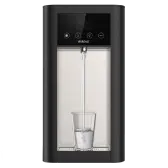
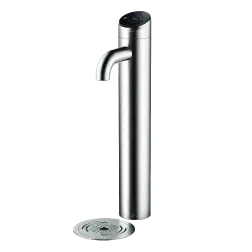
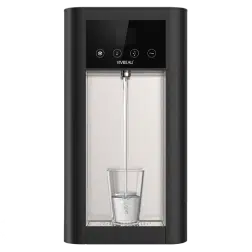
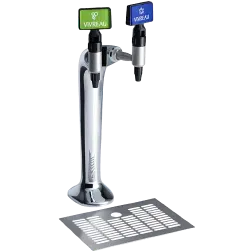
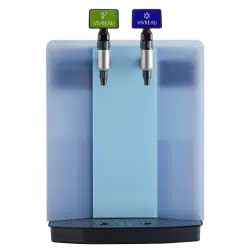
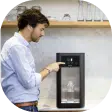
In smaller offices or satellite pantries, a countertop water dispenser can provide reliable access without taking up valuable floor space. In more visible settings such as boardrooms, lounges, or reception areas, integrated taps create a cleaner, design-forward look that blends into the space.
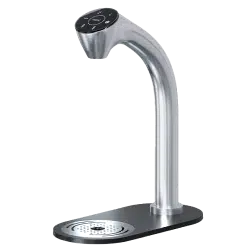
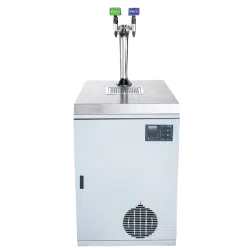
Some environments benefit from broader functionality. Sparkling and hot taps work well in shared office kitchens, hospitality lounges, or meeting floors where people expect more than basic chilled water. In high-traffic hospitality or foodservice settings, high-volume bottling systems support fast refill workflows and reusable bottle programs that keep service moving during busy periods.

Countertop dispenser
Capacity Profile: Low to moderate demand
Best Fit: Small offices, satellite pantries, employee break areas
What stands out: Compact footprint, strong everyday convenience, easier placement where floor space is limited

Integrated tap
Capacity Profile: Moderate demand
Best Fit: Boardrooms, lounges, reception areas, premium workplace kitchens
What stands out: Minimal visual clutter, built-in look, design-forward presentation

Sparkling and hot tap
Capacity Profile: Moderate to high variety demand
Best Fit: Offices, hospitality lounges, meeting floors, mixed-use common areas
What stands out: Multiple water types on demand, fewer kettles, and fewer bottle runs

High-volume bottling system
Capacity Profile: High traffic and refill-heavy demand
Best Fit: Hotels, restaurants, conference centers, banquets, back-of-house service programs
What stands out: Fast filling, reusable bottle workflows, better support for large service windows
Key Selection Criteria for 2026
Choosing the right system has less to do with chasing the newest feature and more to do with matching the equipment to real conditions. The best selection process focuses on how your site actually operates on a busy day, not how it looks on a floor plan.
Start with the physical basics. Confirm water line access, power requirements, drainage, ventilation, service clearance, and where reusable bottles or glassware will live if you plan to use them. Plumbing readiness should not be treated as a minor detail, but it should not stop the conversation either. Countertop and integrated configurations create different installation paths, which makes it possible to work around site constraints.
Then pressure-test demand. Consider not just headcount, but peak moments: conference turnovers, lunch rushes, event intermissions, guest arrivals, or back-of-house refill windows. A small break room may need a simple water dispenser with sparkling capability, while a hotel banquet operation may need a bottling workflow that can fill bottles in seconds and keep service moving without staff constantly restocking.
Finally, evaluate uptime as part of ROI. A lower purchase price can quickly lose its advantage if the system causes service delays or forces staff into manual workarounds. Reliability, service responsiveness, and the amount of staff intervention required all affect the real cost of ownership over time.
This is where connected technology becomes relevant. Smart water dispensers include monitoring and remote diagnostics that help identify issues early and reduce downtime. These capabilities can make a meaningful difference when comparing systems that otherwise look similar on paper.
Designing Premium Hydration and Implementation
Once you select the right system, the next decision is how the program will feel in daily use. This is where hydration stops being a back-of-house necessity and becomes a visible part of your brand.
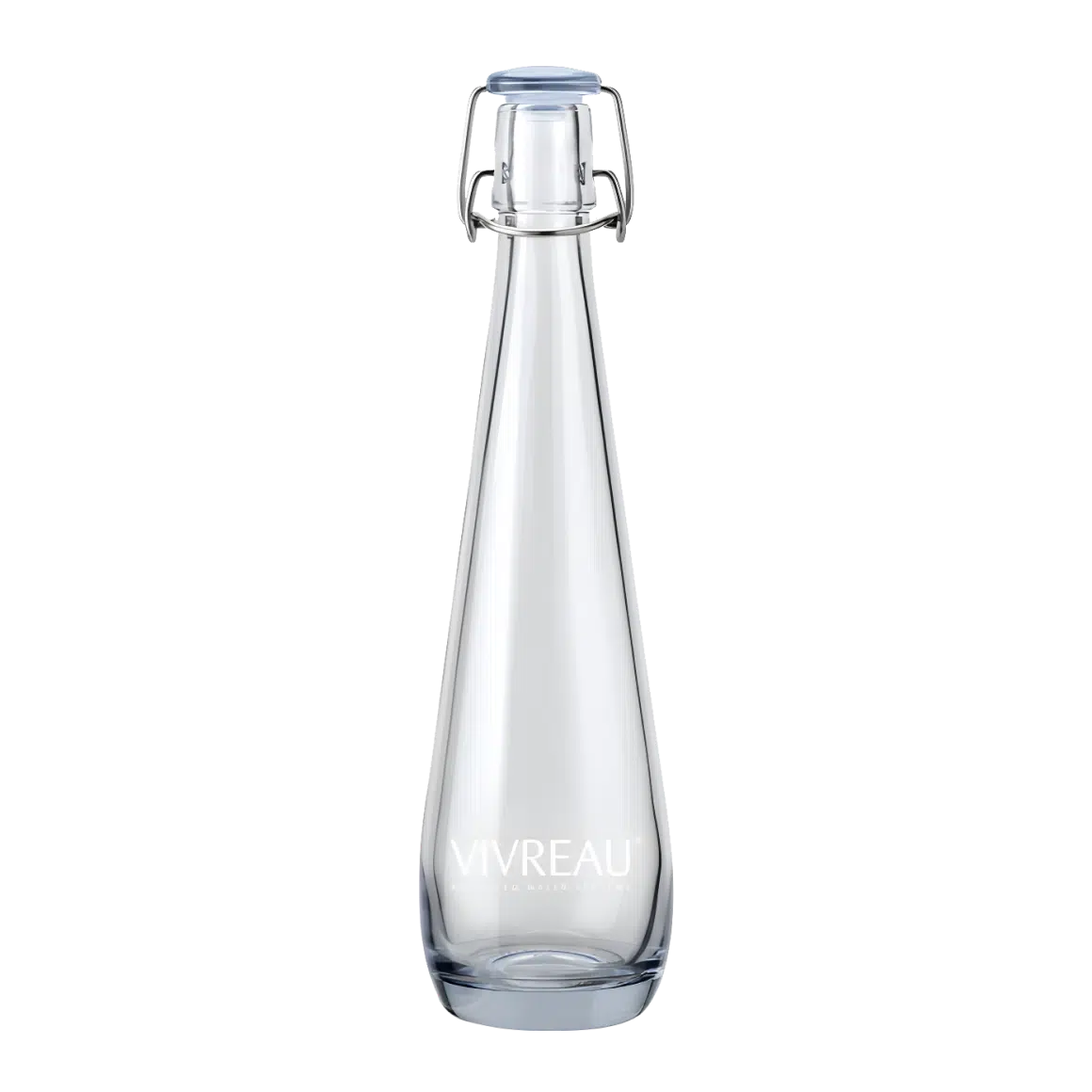
The strongest programs are designed around the room, not dropped into it at the end. In a workplace, that might mean a sleek tap in a pantry that makes still and sparkling water feel like an intentional amenity. In hospitality, it might mean reusable glass bottles in meeting rooms, lounges, or dining settings that look aligned with the rest of the experience, not like an operational compromise.
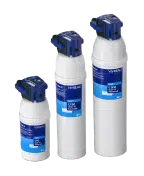
Implementation is also where quality and hygiene standards become tangible. Strong filtration matters for taste and consistency, and it helps to verify what a system is certified to reduce. Independent standards such as NSF/ANSI 42 and 53 help define those claims, covering everything from taste and odor improvement to reductions in certain health-related contaminants.
Hygiene features play an important role in shared environments. Systems that include built-in sanitation mechanisms help maintain a consistent standard without relying entirely on manual cleaning. For example, our ThermalGate™ technology automatically and regularly heats the tap to disinfect it.
A successful rollout requires practical planning. Not every site is plug-and-play, and that is normal. A smooth implementation usually includes a site review, utility confirmation, service access planning, staff training, bottle-handling decisions, and a clear understanding of who owns daily upkeep.
That extra planning is what turns a promising spec into a reliable hydration program that disappears into the background for your team but stands out for everyone using it.
Why 2026 Selections Matter and Next Steps
Hydration is one of those rare operational choices that affects experience, efficiency, and sustainability simultaneously.
When you choose well, you are not just replacing bottled delivery. You are improving the feel of the space, reducing friction for staff, and creating a more consistent standard for everyone who uses it.
The right answer depends on your traffic, your utilities, your workflow, and the level of experience you want to deliver. Request a quote to explore the best Vivreau setup for your space.
FAQs
A buying guide should leave you with fewer unknowns, not more. These are the questions that usually come up when selecting a commercial water dispenser.
-
What Are the Main Types of Commercial Water Dispensers?:
The main categories are countertop dispensers, integrated taps, sparkling and hot taps, and high-volume bottling systems. The right choice depends on traffic, visibility, and whether the system is meant to serve quick self-serve use, premium front-of-house presentation, or large refill workflows.
-
How Do Commercial Water Dispensers Support Sustainability?:
They usually support sustainability by replacing bottled delivery, reducing packaging waste, and shifting teams toward reusable bottle programs. On average, a single dispenser reduces CO2 by 86% compared to pre-bottled water and eliminates about 1,115 pounds of waste each year. Through Vivreau’s partnership with 4ocean, an additional 5 lbs of plastic are removed for every dispenser installed.
-
What Should I Consider When Selecting a Dispenser for My Office?:
Focus on four things: your daily and peak volume, your plumbing and power readiness, the user experience you want the system to create, and the service model behind it.
The best office water dispenser is not always the most feature-heavy option. It is the one that fits your space cleanly, meets demand without downtime, and feels easy for people to use day after day.
Latest Posts


