











TL;DR
A traditional water cooler may seem simple, but many offices are switching to bottleless systems for lower costs, less hassle, and a better workplace experience.
- Bottled water coolers require deliveries, storage, and bottle changes.
- Bottleless systems provide on-demand hydration with lower long-term operating costs.
- They also create a cleaner, more modern experience for employees and guests.
A water cooler may sound like a simple office staple, but for many workplaces, it now represents a much bigger decision about cost, convenience, and employee experience. In 2026, buyers are looking harder at the total cost of ownership, reliability, downtime reduction, and service models that keep a system running with less oversight, not just the lowest upfront price.
That shift matters because hydration is no longer treated like a background utility. It is part of the workplace experience, and a visible one.
When a system can deliver safe, microfiltered water on demand while reducing operational drag, it supports both everyday well-being and a better-looking, better functioning space.
Why Offices Are Rethinking Hydration
Workplace amenities are now expected to do more than exist. They need to support people, efficiency, and the overall feel of the space. JLL’s 2024 Future of Work research reflects that shift, and the World Health Organization continues to frame safe drinking water as fundamental to health and well-being.
The operational pain points of a traditional water cooler are familiar to anyone who has managed an office pantry. Deliveries have to be scheduled, full and empty jugs need storage space, and someone always ends up lifting, replacing, or cleaning around the unit.
What looks simple on paper often creates a steady stream of low-value tasks that sit with facilities, office management, or operations.
There is also the employee side of the equation. A well-placed office water dispenser in a pantry, meeting area, or client-facing space signals care in a way people notice every day.
Cold still water is expected. Hot water on demand removes the kettle wait. Sparkling options feel like a small upgrade, but small upgrades are often what make a workplace feel considered rather than improvised.
That is why many teams begin by comparing a water cooler with a water dispenser, then quickly realize the decision is about more than equipment. They are evaluating convenience, workplace culture, and the kind of everyday experience the space provides.
Sustainability adds another reason to move. It is rarely the only reason, and it should not be forced into the headline, but reducing reliance on plastic water bottles and repeated deliveries fits the broader shift toward refill and reuse that both the EPA and UNEP continue to emphasize. In practical terms, that means less packaging, less clutter, and fewer visible signs of waste in the workplace.
Advantages of Bottleless and Countertop Water Dispensers
The benefits of a filtered water dispenser often show up across several areas at once: convenience for employees, a more considered workplace experience, and fewer operational tasks for the team managing the space.
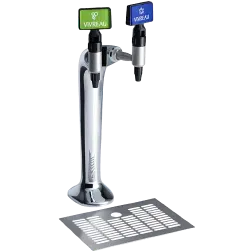
The most obvious gain is choice. Bottleless systems can deliver microfiltered still, hot, and sparkling water on demand, immediately making the everyday experience more flexible.
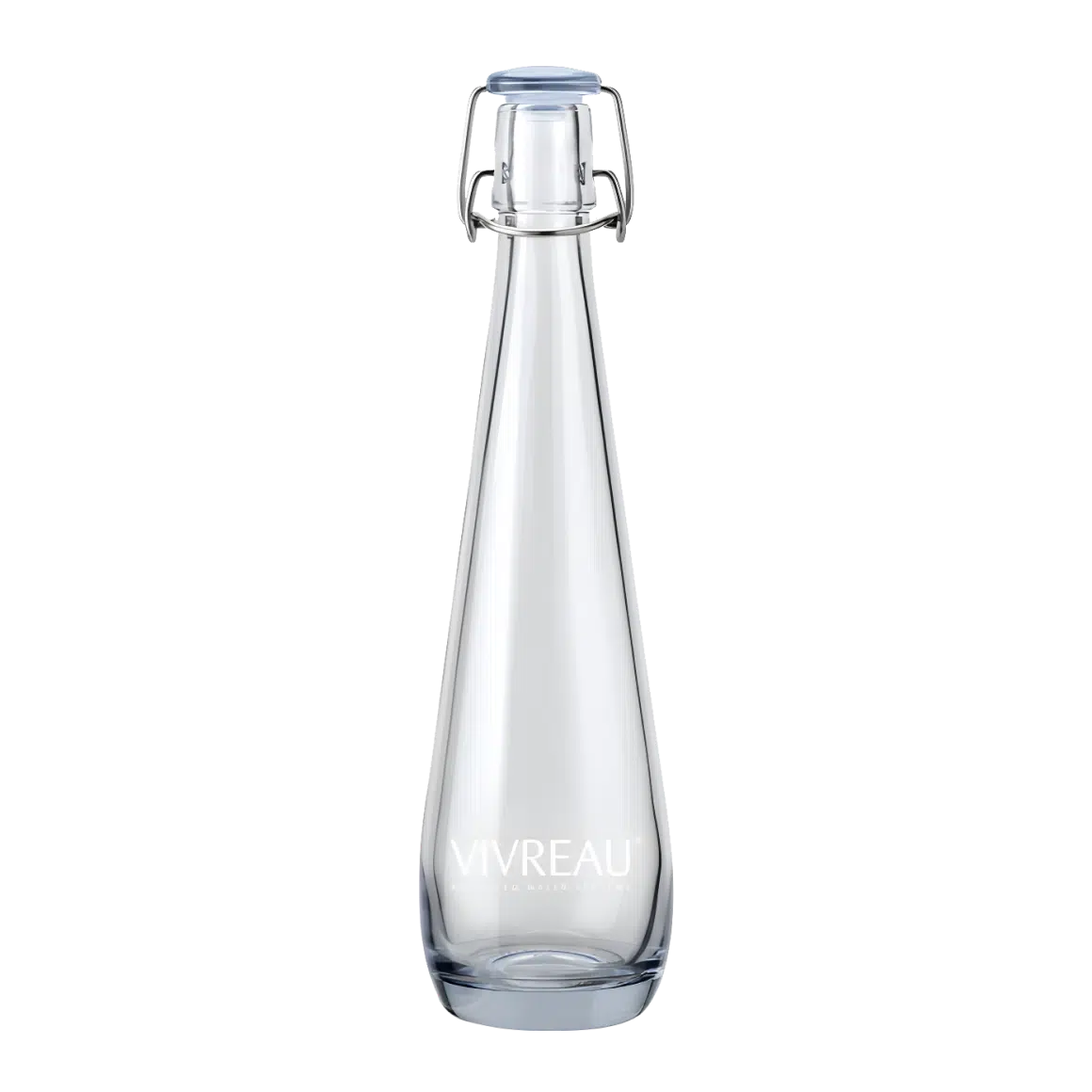
A sparkling water dispenser can also elevate a lounge or meeting space without adding more cases, cans, or bottles to manage, and optional reusable glass bottles or flavor add-ons can make the setup feel even more tailored to the environment.
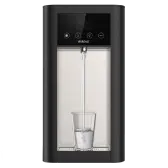
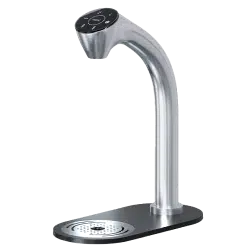
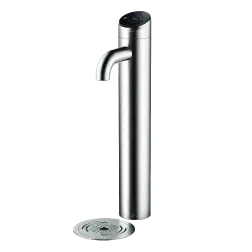
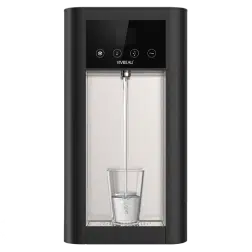
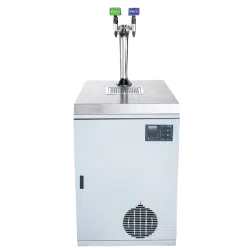
Design flexibility is another advantage. A countertop water dispenser can be the right answer for a smaller team, a satellite pantry, or a space with tight square footage but high expectations. In a more design-led office, integrated or freestanding units can disappear into the environment or act as a polished focal point, depending on the look you want.
Either way, the point is not just to dispense water. It is to make hydration feel native to the space, rather than an afterthought.
Operational Efficiency and Cost Savings of Bottleless Water Systems
Buyers often start by comparing hardware costs, but the bigger number usually lives in the recurring burden around the system, labor, deliveries, storage, cleanup, and the cost of disruption when something is not working.
Bottleless systems remove whole categories of work. You are no longer paying for jug delivery logistics, no longer making room for stored inventory, and no longer asking someone on your team to manage the cycle of replacing, monitoring, and disposing of bottled supply.
Organizations can reduce the cost of their water program by as much as 86%, which shows where the real difference between bottled and bottleless systems appears. The real savings usually come over time, not at the moment of purchase. For teams evaluating a bottleless water dispenser for office use, long-term operating costs matter far more than a simple line-item comparison.
There is also a less visible gain: staff attention. Every minute spent coordinating deliveries, restocking a pantry, or troubleshooting a legacy setup is a minute not spent on higher-value work. That is one reason a premium water dispenser setup often lands well with operations teams and workplace leaders alike. It feels better for employees, and it quietly gives time back to the people who keep the office running.
Reliability is the final piece. Connected service features and predictive maintenance matter because the employee experience falls apart fast when a hydration system is unavailable. Vivreau’s smart water dispensers offer proactive monitoring and remote repair capabilities to minimize downtime, improve service response times, and reduce costs.
When that level of serviceability is paired with the right system size and a practical installation plan, the result is not just a nicer amenity. It is a more dependable operational program.
Upgrade to a Premium Hydration Experience and Request a Quote
At a certain point, the comparison stops being about old hardware versus new hardware. It becomes a question of what kind of workplace experience you want to create and how much operational friction you are willing to keep tolerating to get basic hydration into the building. In that comparison, bottled systems start to look less convenient than they first appear.

A premium setup does not need to be flashy to be valuable. It needs to be streamlined, reliable, and aligned with how your space actually works, delivering still, hot, and sparkling water on demand while reducing deliveries, back-of-house clutter, and environmental impact.
When choosing a commercial water dispenser, the most important factors are usage, space, and operational fit. Because installation depends on your layout, water line access, demand profile, and the kind of experience you want the system to support, the best next step is a scoped conversation rather than a generic product guess.
Request a quote to compare countertop, integrated, and high-volume options and map the right fit for your office.
FAQs
As teams compare options, a few practical questions tend to come up. Here are some quick answers to the most common ones.
-
Can Bottleless Water Dispensers Provide Sparkling Water?
Yes. Many bottleless systems are built to deliver microfiltered still, hot, and sparkling water on demand, which is part of what makes them feel like a workplace upgrade rather than a utility replacement. For offices that want a more hospitality-forward touch, that is often one of the most appreciated features.
-
Are Bottleless Water Dispensers More Sustainable Than Traditional Water Coolers?
In most office scenarios, yes, because they support refill behavior and reduce dependence on single-use packaging, repeated deliveries, and storage-heavy bottled programs. That lines up with broader guidance from the EPA and UNEP on cutting plastic waste at the source, and it gives organizations a cleaner sustainability story without making sustainability the entire reason for the decision.
-
Is Installation Difficult for Offices Switching to Bottleless Systems?
Installation is not something to dismiss, but it is also not a reason to rule out the upgrade. Offices need to account for water access, power, drainage requirements, where relevant, and the right form factor for the space.
Countertop-friendly options can make the transition easier in smaller environments, while higher-demand settings benefit from more deliberate planning up front. The best projects are honest about plumbing realities and scope the setup around actual usage.


