









TL;DR
Choosing the right types of water dispensers starts with matching the system to your space, beverage needs, and daily usage.
- Different types of water dispensers support different needs, from still and sparkling water to hot water and high-demand use.
- It is important to consider installation, maintenance, and service access before choosing a system.
- The right option can improve workflow, support sustainability goals, and create a better user experience.
When people think about the types of water dispensers that exist, they are often thinking about more than drinking water. In commercial spaces, hydration has become part of the overall experience, a visible detail that can make a workplace, lounge, lobby, or guest area feel more thoughtful and more complete.
That shift is part of what makes the category harder to define. One person may be picturing a basic chilled unit, while another is evaluating a plumbed system that delivers still, sparkling, and hot water as part of a more premium commercial setup.
That language gap creates real confusion for facilities, operations, design, and hospitality teams, especially when each group is solving for something different. Once the terminology is clear, it becomes much easier to compare options, address installation concerns early, and choose a solution that supports both the experience of the space and the realities of daily use.
Understanding the Types of Water Dispenser and Terminology
In commercial spaces, the term water dispenser refers to several different systems. The differences usually come down to two factors: the type of water the system provides and how the unit is installed within the space.
The first distinction is beverage capability. Some dispensers provide only still drinking water, while others offer sparkling or hot water on demand. These broader systems are increasingly common in offices, hospitality settings, and other environments where hydration is integral to the overall experience.
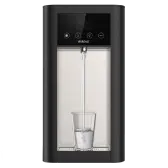
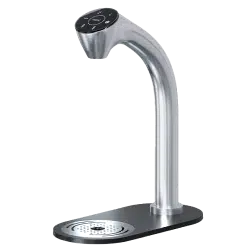
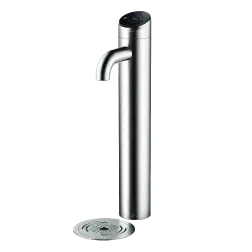
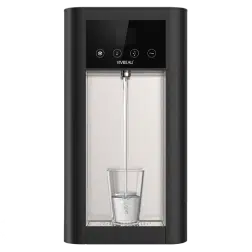
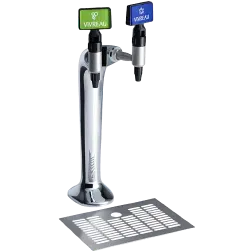
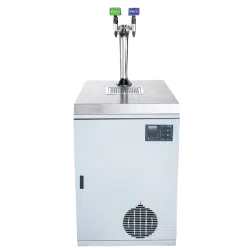
The second distinction is format. A countertop water dispenser sits directly on a counter and is often used in retrofit environments where plumbing access or space is limited. An integrated or undercounter system, like the V3-205, places the mechanical components below the counter, leaving a tap or dispenser head above the surface. This creates a cleaner visual profile and usually supports heavier traffic.
Once you understand these two variables, it becomes much easier to compare the options that appear during a commercial spec process.
| Type | Best Fit | What It Typically Delivers |
| Still water dispenser | Everyday pantry and back-of-house use | Ambient or chilled still water |
| Sparkling water dispenser | Offices, hospitality, and premium guest spaces | Still and sparkling water, sometimes hot |
| Hot water tap | Tea service, meeting areas, self-serve beverage points | Hot water on demand, often paired with chilled options |
| Countertop system | Retrofits, compact pantries, and smaller footprints | Flexible installation with a smaller visual footprint |
| Integrated undercounter system | Design-forward, higher-traffic spaces | Cleaner sightlines, stronger built-in look, broader beverage mix |
In everyday conversation, people still say “water cooler” or “water machine”. In a commercial spec process, those labels are too vague. An office water dispenser usually refers to a plumbed, workplace-ready system designed for daily use, while a generic water cooler often implies an older jug-based model.
Technology is also starting to shape the terminology. A smart water dispenser adds connected monitoring that helps track system performance and service needs. This can allow remote diagnostics and more proactive maintenance planning, which helps reduce unexpected downtime.
Once the terms are clear, the decision stops being about vague product categories. It becomes a sharper conversation about traffic, beverage expectations, design intent, and how visible hydration should feel in the space.


Key Benefits for Workplaces and Commercial Spaces
A good hydration setup should solve more than thirst. In commercial environments, the strongest business case usually combines operational ease, a better user experience, and measurable progress away from bottled programs.
That is why the conversation often starts with convenience, then expands into brand perception and sustainability once the day-to-day gains are obvious.
The first payoff is usually labor reduction. When you move away from bottled deliveries and manual refill routines, teams spend less time storing cases, refrigerating inventory, replacing jugs, cleaning up overflow, or resetting self-serve stations. In offices, this can make shared spaces feel calmer and more organized. In hospitality, it can reduce staff touchpoints for tasks that guests increasingly expect to feel seamless.
The second benefit is experiential. The WELL Standard notes that improving the taste and presentation of tap water encourages people to drink more and reduces reliance on bottled water.
That principle translates directly to real commercial settings, from boardrooms and break rooms to lobbies, lounges, and spas, where the quality of the amenity shapes whether people use it and how they perceive the space around it.
Sustainability also gets more credible when convenience is built in. The EPA’s guidance on reducing and reusing materials states that reduction and reuse are the most effective ways to conserve natural resources and reduce waste. Its recent guidance on food service points to beverage refill stations with reusable cups as a preferred option.
For teams trying to move away from plastic water bottles, one dispenser can deliver an 86% reduction in CO2 compared to pre-bottled water and 1,115 pounds less waste per year, on average.
That combination is what makes a commercial water dispenser system more strategic than it first appears. It can reduce friction for your team, improve the feel of the environment, and strengthen your sustainability story.
Installation, Maintenance, and Reliability
A sleek dispenser can look perfect in a product photo, but the real question is whether it fits your infrastructure, your traffic patterns, and your tolerance for downtime.
Plumbing readiness, drainage needs, power access, counter space, and traffic flow all matter. That does not mean every project is complicated. It means the right answer depends on the space.
Countertop models can be more forgiving in retrofit environments, while integrated systems reward spaces that want a more built-in, design-forward result. The practical move is to acknowledge those requirements early rather than thinking every site is equally plug-and-play.
Capacity planning should also be based on real behavior, not just headcount. Start with the number of regular users, then consider peak demand periods such as midmorning or lunch. Even a 50-person office can overwhelm a low-capacity unit if many people want chilled or sparkling water within the same short window. Sizing should reflect how people gather and use the space, not just how many names appear on an org chart.
Reliability is easier to trust when serviceability is built into the system. Connected monitoring can help reduce downtime through remote diagnostics, better prepared technician visits, and service schedules based on actual usage. For operations teams, this shifts maintenance from reactive fixes to a more proactive approach that helps prevent disruption.
Hygiene should be equally concrete. The CDC’s Drinking Water Standards and Regulations explains that US water quality standards and treatment techniques limit more than 90 contaminants, while NSF Water and Wastewater Standards support quality and safety across drinking water products.
At the dispenser level, hygiene should rely on built-in safeguards rather than manual routines alone. Technologies such as Vivreau’s ThermalGate™ automatically and regularly heat the tap to disinfect it, providing a consistent mechanism for maintaining cleanliness.
When you evaluate installation, service, and hygiene together, reliability stops being a soft promise. It becomes a real buying criterion, which is exactly where it belongs.
Selecting the Right Dispenser and What Your Space Needs Next
The best water dispenser is the one that fits your space, supports your workflow, and delivers the experience people expect.
Start with three questions:
- Who uses it regularly, and when?
- What experience should it create, from still water to a premium sparkling water dispenser or hot water?
- How visible should the station be in the space?
Those answers make ROI easier to evaluate. In some spaces, a countertop water dispenser is the right fit for existing conditions. In others, a higher-capacity integrated setup makes more sense. The goal is to choose a system that works for your environment and the people using it every day.
Request a quote to explore the right Vivreau setup for your space.
FAQs
Much of the uncertainty around dispensers comes from shorthand terms and oversimplified comparisons. These quick answers help clear up the most common sticking points before you start narrowing down specific models.
-
What Is the Difference Between a Water Dispenser and a Water Cooler?
A water dispenser is the broader, more accurate commercial term. It can include plumbed systems that serve still, sparkling, and hot water, as well as countertop or integrated formats. Water cooler is usually a legacy catch-all term, often associated with jug-fed units or older workplace setups, which is why it is less precise for commercial planning.
-
Can Commercial Water Dispensers Support Sustainability Goals?
Yes, especially when they are paired with reusable bottles or glasses and convenient access points that people actually use. The EPA’s waste-reduction guidance reinforces the value of reuse, and the WELL Standard connects good-tasting, appealing drinking water with reduced reliance on bottled formats. Switching from pre-bottled water to a dispenser system can reduce associated CO₂ emissions by an average of about 86%.
-
What Are the Advantages of a Countertop Water Dispenser?
The biggest advantages are footprint, retrofit flexibility, and speed to value. A countertop water dispenser can fit spaces where cabinetry, counter depth, or construction constraints make a full integrated build less practical. It can still deliver a premium user experience, but it is important to remember that a smaller footprint does not automatically mean the right fit for higher peak demand.


