









TL;DR
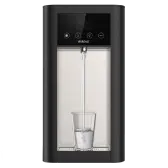
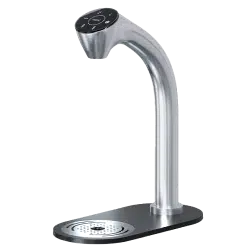
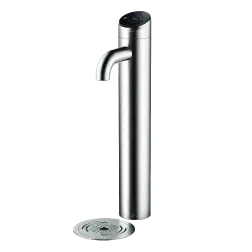
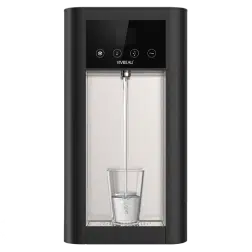
A countertop water dispenser works best for coffee shops with moderate demand and limited space.
- Best for guest use or light behind-the-bar support
- Helps reduce refill work and improve water consistency
- May not suit high-volume shops with constant daily use
A coffee shop runs on rhythm. You feel it in the order queue, the pace behind the bar, and the small decisions that keep drinks moving without sacrificing quality.
Water touches that rhythm more than most people realize because it plays two roles at once. It is a critical ingredient for beverages behind the bar, and it is hospitality out front when guests want a quick refill. When either side is awkward to manage, the friction shows up fast in taste consistency, staff workload, and the guest experience.
This guide breaks down when a countertop water dispenser makes sense for a coffee shop, what to validate before you install one, and how to think about capacity, plumbing readiness, and downtime so the choice still feels right six months from now.
Why a Countertop Water Dispenser Matters for Coffee Shops
A countertop dispenser only earns its footprint if it protects the flow of service. In a coffee shop, water is not just a nice-to-have for guests. It is an ingredient, a pace-setter behind the bar, and a quiet part of how premium your space feels when the line is long.
Before you compare a countertop water dispenser, get clear on where water creates friction in your day. In most shops, the decision comes down to two distinct use cases: the water your team needs behind the bar to keep drinks consistent and fast, and the water experience guests see out front.
Behind The Bar: Ingredient Water Without Slowing Service
Behind the bar, water shows up everywhere, even when it is not called out on the menu. It is the base for Americanos, the backbone of tea service, and the default answer when a guest asks for a glass of water while you are ten tickets deep. If your team is refilling pitchers, walking to a sink, or working around inconsistent taste, water stops being invisible and starts pulling attention away from the overall experience.
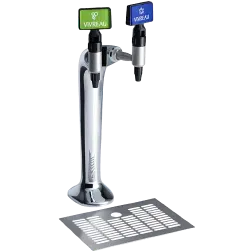
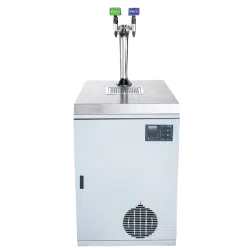
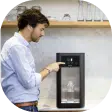
A countertop setup behind the bar can simplify that reality when it is sized for your peak and paired with a coffee shop water filtration system that supports consistent taste. The goal is not novelty. It is reliable access to great-tasting still and sparkling water, in a place where baristas can grab it without breaking their rhythm.
Out Front: A Guest Refill Point That Doesn’t Create More Work
On the guest side, water is hospitality. It can also be a magnet for mess, refills, and interruptions if the setup is not designed for self-serve. A station that is not connected to a water line may look simple, but it often becomes a recurring task list: fill it, ice it, wipe it down, reset it mid-rush, and handle the moment when it runs out right as the café hits a peak wave.
A guest-facing countertop dispenser can be a cleaner solution when the placement is intentional and the program is realistic about throughput. The best setups make hydration easy for guests without quietly adding another maintenance loop for your team.
When you frame the decision this way, the tradeoffs become easier to judge. If your need is mostly guest water and moderate demand, a countertop setup can be a strong operational upgrade without adding another point of friction behind the bar. If water becomes a constant ingredient in beverage prep, or bottle filling runs from open to close, that is usually the signal to explore a commercial countertop water dispenser or other higher-capacity approaches before you lock in a system that tops out during peak service.
Key Features and Benefits
Once you know countertop is the right category, features get easier to evaluate. The goal is not to chase every option. It’s to choose the configuration that keeps service smooth, supports consistent taste, and looks intentional in your space.
Behind-the-Bar Performance
Behind the bar, the best features are the ones that keep baristas in position and remove mid-rush workarounds. For many cafés, the baseline is chilled still water, plus sparkling if it fits your menu and demand. A water dispenser that recovers quickly can prevent slowdown when steady use outpaces capacity, especially when the bar is pulling water for Americanos while guests also need to refill their water cups.
If you serve tea or rely on hot water throughout the day, on-demand hot water can also improve flow. When you evaluate that capability, ask whether a hot water dispenser commercial setup can deliver the volume you need during peak without turning into a bottleneck.
Filtration for Taste Consistency
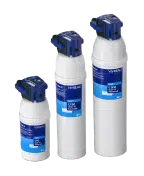
Filtration matters in coffee shops because it’s not only drinking water, it’s an ingredient in your final product. A strong coffee shop water filtration system helps keep still and sparkling water tasting consistent and supports beverage quality when municipal water shifts seasonally or day to day.
Research on brewing water consistently reinforces a practical truth for café operators: minerals influence extraction and sensory outcomes. Calcium and magnesium, in particular, can affect how coffee extracts and how flavor is perceived in the cup. That is why it is worth treating brewing water as a controllable input, not a background utility, and why consistent filtration and water composition can make day-to-day quality easier to maintain.

Guest-Facing Usability and Experience
Out front, the priority is throughput and ease of use. Look for output and recovery that can keep up with steady refills, a footprint that doesn’t interrupt traffic flow, and a setup the team can wipe down and reset quickly. Because the unit is visible, design matters too, but only if it supports intuitive use and a clean, intentional guest experience.
A Short Checklist to Pressure-Test Options
When you shortlist options, focus on features that map directly to café reality:
- Output and recovery: How quickly the system delivers chilled still and carbonation during steady demand.
- Footprint and placement: Whether it fits without disrupting bar flow or customer flow, and can be reset fast.
- Filtration approach: Whether it supports consistent taste for beverage quality, not just basic improvement.
- Serviceability and monitoring: How easy it is to maintain, and whether monitoring helps reduce surprises for guest-facing placements.
If you’re still deciding on format and placement, comparing different water dispensers side by side can help clarify when a countertop makes sense versus a more integrated approach, without overcomplicating the decision.
Cost, Installation, and Operational Considerations
This is where good decisions get made. It is tempting to treat cost as the price of a unit and installation as a one-time project. In reality, both are tied to daily friction and how much staff time you spend managing hydration.
Start with the operating model you are trying to replace. Behind the bar, ROI often shows up as fewer steps and fewer workarounds during peak, while out front it shows up as fewer refills, fewer messes, and fewer staff interruptions.
Bottled water and pitcher routines come with recurring purchases, storage pressure, and labor that rarely get captured accurately. That is why the most useful ROI conversations focus on what the new setup removes from the week.
Now the reality check: installation readiness. A countertop system still needs plumbing access, a shutoff, and clean line routing so the install looks as intentional as the rest of your bar.
If you add sparkling, you also need a plan for CO2 placement and service access. While this isn’t plug-and-play, the upside is that once plumbing is handled properly, the day-to-day work of managing water gets dramatically easier.
Downtime concerns also deserve a direct answer. If the system becomes a guest-facing hydration point, an outage is not just inconvenient; it is visible.
Connected monitoring can reduce surprises by enabling faster diagnosis and more efficient service visits, which is often what people mean when they worry about reliability. Smart water dispenser monitoring is one way operators approach that goal.
The practical takeaway is simple: be honest about capacity, plan installation with the same care you plan your espresso equipment setup, and choose serviceability you can live with during your busiest week.
Enhancing Customer Experience and Sustainability
Water can be an afterthought in a coffee shop, or it can be a quiet signature. The difference is whether hydration feels designed.
On the experience side, a visible hydration point can elevate the counter in a way bottled water never will. Some cafés lean self-serve, letting guests refill quickly and keep the line moving.
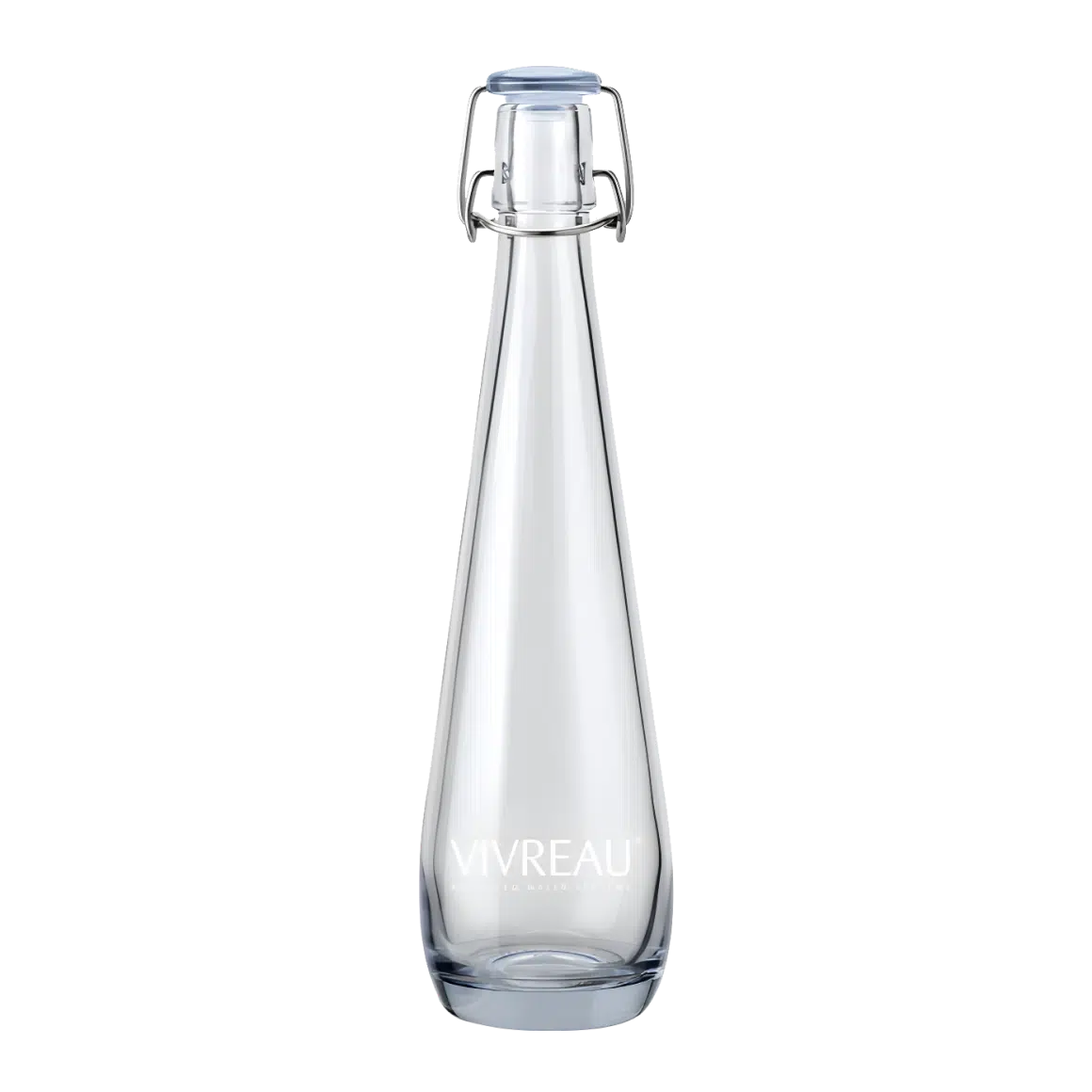
Others treat water like hospitality, poured into a glass and served with the same intention as the rest of the menu. Either approach can work, as long as it supports flow and feels consistent with the space.
That is also why many café buyers look at hydration equipment through the same lens as a restaurant. A restaurant water dispenser is evaluated on aesthetics, guest perception, and reliability as much as on specs. The café version of that question is similar: does this improve the experience, and does it do it without adding work?
Measurable Sustainability and Adoption
Sustainability is strongest when it is measurable and tied to the operational shift away from bottled water or other disposable options. In a coffee shop, the most sustainable option is the one guests actually use consistently, and adoption is usually driven by taste, convenience, and a clean setup. Vivreau’s proof points include an average 86% reduction in CO2 emissions compared to pre-bottled water and 1,115 pounds of waste per year per dispenser. Those numbers matter because they are directly connected to a real change in how hydration is delivered and maintained.
Packaging reduction is still a major focus across industries, and the U.S. Plastics Pact 2023–24 Impact Report helps put that push in context, especially when you zoom out from individual products to the systems and commitments behind them. It’s also worth remembering that adoption is part of sustainability.
And while safety is the baseline, perception drives behavior: when water tastes or smells off, people often stop using it even if it’s technically safe. That’s why aesthetic water quality matters in the real world, and why guidance like the EPA’s secondary drinking water standards and nuisance chemicals is useful for understanding how taste and odor issues can influence ongoing use.
Vivreau also supports measurable impact through its partnership with 4ocean, with an approved proof point of 5 lbs of plastic removed per dispenser installed. In a café setting, that kind of clarity makes sustainability easier to communicate because it is tied to a specific action rather than vague intent.
The real win is when experience, operations, and sustainability reinforce each other. When the program is designed well, better water becomes easier to deliver, easier to maintain, and easier for guests to choose.
Upgrade Your Coffee Shop Hydration Experience
At its best, a countertop setup is not just a convenience. It is a calmer bar, a cleaner storage reality, and a more premium guest experience that does not rely on constant staff attention.
The decision becomes simpler when you match the system to your use case. If water is a guest amenity, standard-volume output can often cover your needs. If water is becoming an ingredient, or bottle filling is constant from open to close, it is time to evaluate higher-volume, integrated approaches before you lock yourself into a capacity ceiling.
If you want to align output, placement, filtration, and serviceability with how your shop actually runs, request a quote to explore the right Vivreau setup for your coffee shop.
FAQs
A countertop system can look straightforward until you start mapping it to real service patterns. These FAQs answer the questions that usually come up once you picture the unit in your space and on your busiest day.
-
What Is a Countertop Water Dispenser and How Does It Benefit Coffee Shops?
A countertop dispenser is a compact commercial system that delivers filtered water at the point of service, often with still and sparkling options, and sometimes hot water. In a café, the benefit is less about having water available and more about reducing the daily work around it.
When capacity matches your needs, it can reduce time spent on restocking and refilling, deliver more consistent taste, and create a guest-facing hydration point that feels like part of the experience instead of a workaround.
-
How Do Commercial Countertop Water Dispensers Differ From Standard Water Coolers?
Legacy water coolers are often designed for break rooms rather than guest-facing environments. They can rely on jug swaps, basic chilling, and a form factor that does not fit a premium counter.
A commercial countertop water dispenser is typically designed for consistent quality, a smaller and more intentional footprint, and a better experience at the point of use. If you are comparing filtration claims, it can also help to understand what common certifications cover.
-
How Does Using a Countertop Water Dispenser Support Sustainability?
Most sustainability gains come from replacing single-use bottled water and the logistics that go with it, including storage, delivery, and disposal. When a café shifts to on-site dispensing and reusable formats, the impact becomes easier to measure and easier to maintain.
It also supports sustainability indirectly by improving adoption. When water tastes better and the experience feels intentional, guests are more likely to choose it consistently, which reinforces the operational and environmental benefits over time.


