










Key Takeaways
- Seating, restrooms, quiet rooms, and water shape how a long museum visit feels, and crowds weigh heavily on families with young children.
- Many collection policies prohibit food and open drinks in the galleries, so refreshments have to be planned around them.
- Accessible routes, family facilities, and plumbing all affect placement, so decide it early.
- School-group mornings and event nights put every amenity under its heaviest use, so service plans matter as much as the fixtures.
Museum visitor amenities carry more weight as institutions work to win back visitors. A 2025 survey of U.S. museum directors found that 55% still have smaller audiences than in 2019. The same survey found 21% have postponed facility or infrastructure work.
Practical comfort is one place where operations teams can still make progress. Some of these upgrades are small enough to fold into routine maintenance or a renovation already on the schedule. Each stop on a visit, from the entrance to the café, needs its own plan.
What Museum Visitors Need Beyond the Galleries
People return to museums for learning, for fun, for time with family or friends, and for a chance to rest. Rest depends on places outside the exhibits where people can sit, recover, and reset before the next gallery.
Crowds weigh more heavily on families with young children than on most visitors. In the same visitor research, these families reported disliking crowds at two to three times the rate of older visitors. A parent with a stroller and a restless child needs a restroom, a quiet corner, and something to drink within easy reach.
That makes seating, restrooms, quiet space, and water practical cultural institution amenities, not extras. Each one has to be planned, staffed, and maintained like any other part of the building.
Why the Collection Shapes Food and Drink
Many museums keep food and open drinks out of their galleries. The Royal Ontario Museum’s school-visit guidelines explain that their main concern is pests. A few crumbs in a gallery can bring them in, and they can damage objects on display.
Some museums make a narrow exception for water. The Met allows water only in a secure bottle. Visitors still need somewhere outside the galleries to eat, drink, and refill, so refreshment has to be part of the building plan.
Planning Amenities Along the Visitor Path
Hydration can be incorporated at several points along the visitor journey, depending on collection policies, visitor flow, and building infrastructure.
Arrival and Orientation
The first few minutes set the tone. A clear map and visible signage help visitors decide where to start, and restrooms and coat check near the entrance let them settle in. A refill point here lets visitors fill a bottle before they enter the galleries, in one of the most visible spots in the building.

Rest Areas and Quiet Rooms
Benches and lounges between exhibition wings give visitors a break before the next floor. Some museums go further with a dedicated quiet room. At the Science Museum of Minnesota, a private Wellness Room serves nursing parents, visitors who want to pray, and anyone who needs a quiet break. Where collection policies allow, a refill point nearby makes these spots a more complete rest stop.

Family Facilities and School-Group Spaces
Families need changing stations, family restrooms, and room for strollers. Each exhibit level at the Science Museum of Minnesota has a restroom with a baby-changing area, and strollers can be rented in the lobby. School groups need a place to regroup and eat. At the Royal Ontario Museum, classes can eat packed lunches in a dedicated Lunch Room. A dispenser in a lunch room like this lets a whole class refill in one stop, away from the collection.

Café and Event Spaces
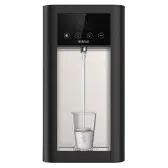
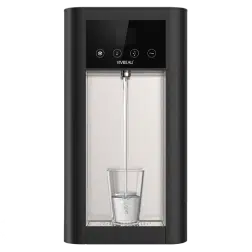
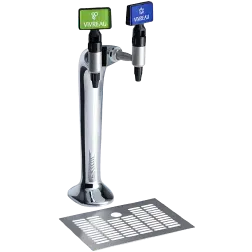
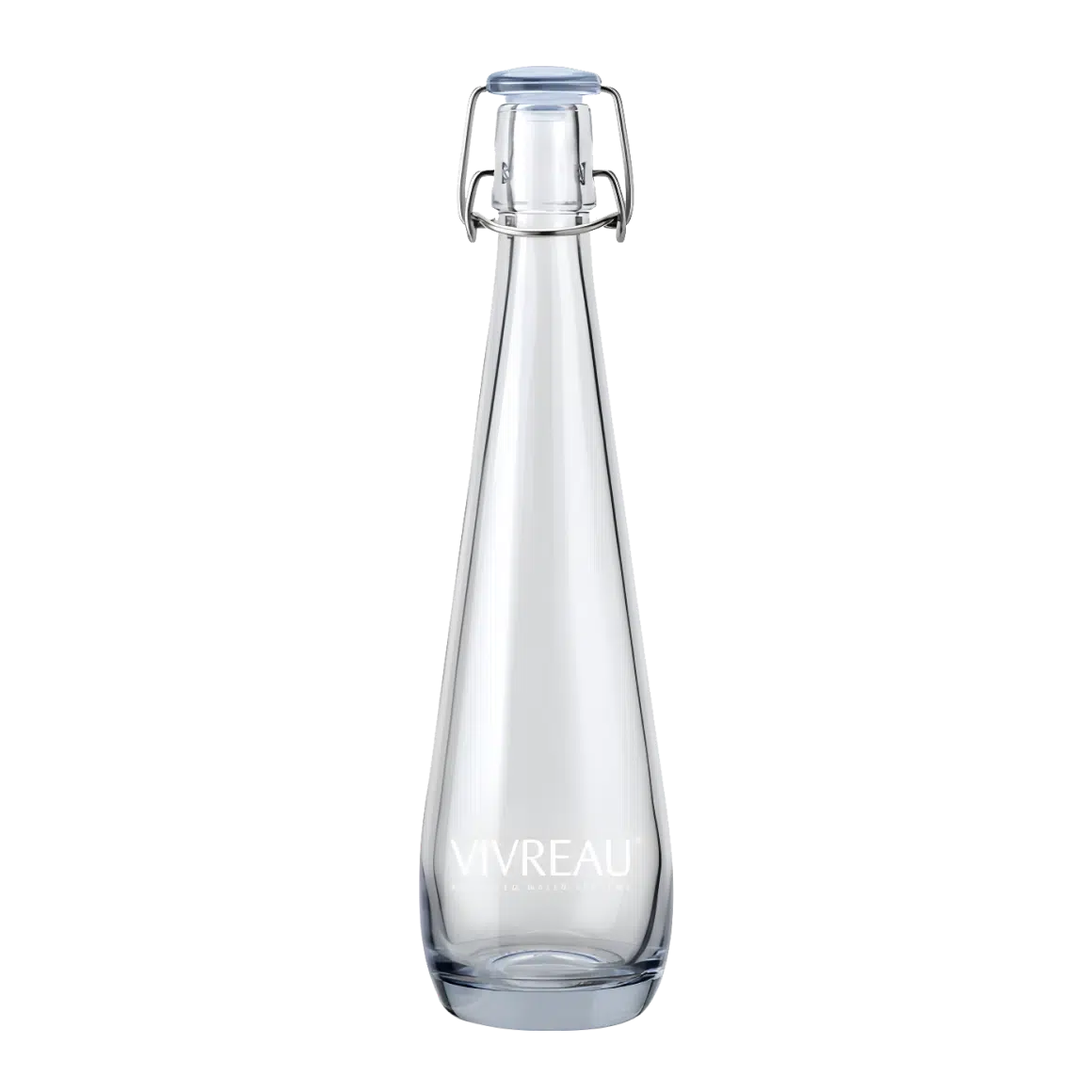
For many visitors, the café is the main place to sit down and recharge. Museum cafe water can come from a dispenser that pours filtered still and sparkling water, instead of from cases of bottled water. For catering, member events, and gala dinners, on-site bottling fills glass bottles in about 16 seconds for tables and bars.

The Ford Foundation shows this in a building that welcomes the public. Its New York headquarters includes a public gallery and welcomes school groups and university classes for tours. Visitors use one of our systems in the welcome lounge, another supports the café, and catering serves still and sparkling water in reusable glass bottles. The foundation’s Senior Manager of Hospitality Services describes visitors “coming through for the art, the garden, the architecture, and the work of the Foundation itself.”
Accessibility and Infrastructure to Plan Early
Accessible routes and clear floor space shape where seating, restrooms, and refill points can go. Water adds a specific rule. Under the Access Board’s ADA guidance, fixed bottle fillers must meet the requirements for operable parts. That means the unit sits on an accessible route. A wheelchair user needs room to pull up from the front or side, and hand controls must work with one hand. Bottle fillers can sit beside the building’s drinking fountains, but they cannot replace them. State and local codes can add requirements, so confirm the details with your design team.
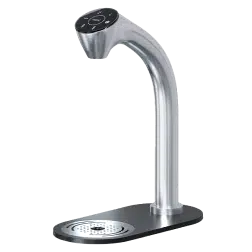
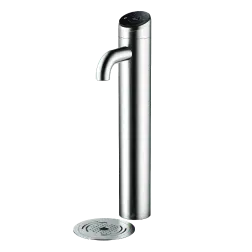
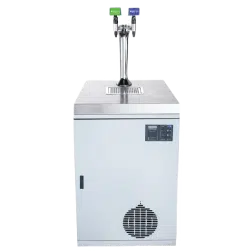
On Vivreau installs, a few practical details are worth building into the plan early. Dispense controls need to sit at an ADA-compliant height. Filtration and service parts need undercounter space, with front-access clearance for filter changes. Depending on the equipment, the site may also need power, drainage, or ventilation. For lower controls, we offer an Easy Access Panel on several of our models.
Both our integrated and countertop units require a water line, so plumbing access shapes placement as much as visitor flow does. Settle placement before millwork is locked, because it is the decision teams most often want to revisit later.
Keeping Amenities Running on Peak Days and Event Nights
Peak days are the hardest test for museum visitor amenities, because demand comes in waves. School-group mornings, weekends, and after-hours events all bring crowds at once. Restrooms need extra checks, and refill points see heavy use.
A dispenser that’s down during a field trip or a gala gets noticed right away. Uptime depends on preventive maintenance, timely filter replacements, and catching problems before visitors do. On iQ-enabled service plans, connected units add remote monitoring and filter alerts. Before a busy school season, check filter schedules and service coverage so the busiest weeks are not the ones with a problem.
Bottled water adds its own work on event nights. Someone has to manage deliveries, store and move heavy cases, and handle the empty bottles afterward.
Stewardship That Fits the Mission
Museums exist to preserve objects and knowledge for future generations. That long view of stewardship extends to how a museum uses resources day to day. Refill points give visitors a simple, visible way to skip single-use plastic during their visit.
At galas and member events, designer glass bottles can carry the museum’s logo on the front and a sustainability message on the back. The bottles are washed and refilled instead of being thrown away. That keeps the museum’s stewardship visible at the events where its supporters gather.
Plan Visitor Comfort That Brings People Back
A good museum day is built from small, planned moments. A family finds a clear map at the entrance and a bench when a toddler needs a break. They find a restroom with a changing space on the right floor and a place to refill before the next wing. Museum visitor amenities like these rarely need a major capital project, and together they make a long visit easier to repeat.
Water asks the most of the plan, because collections rules, plumbing, and accessibility all limit where it can go. Decide placement early, give every refill point a service plan, and it will hold up on the busiest school-group morning.
If water is part of your plan, request a quote to build a self-serve hydration program that elevates guest experience.
FAQs
-
What Amenities Do Museum Visitors Expect?
Common museum visitor amenities include seating and rest areas, clean restrooms, clear maps and signage, a café, and easy access to water. Families also need changing stations and room for strollers, and some visitors need a quiet space to step away. Rest is a top reason people return.
-
Can Visitors Drink Water in Museum Galleries?
Many museums ban food and open drinks from their galleries to protect the collection from pests. Some allow water in a secure bottle, so check each museum’s visitor policy. For operators, refill points belong outside the galleries, near entrances, rest areas, lunchrooms, and cafés.
-
Do Bottle Filling Stations in Museums Need to Meet ADA Requirements?
Under the U.S. Access Board’s guide to the 2010 ADA Standards, fixed or built-in bottle fillers must meet the requirements for operable parts. Visitors need an accessible path, room to approach from the front or side, and controls that work with one hand.
-
What Should a Museum Cafe Consider for Water Service?
A museum cafe water program should cover still and sparkling options, filtration, and enough volume for school groups and events. On-site bottling in reusable glass can reduce catering’s bottled water deliveries. Plan plumbing, drainage, and service access early, and set a regular maintenance schedule.
Latest Posts


