










TL;DR
Plastic water bottles in offices create more than waste. They also add recurring cost, storage pressure, and daily friction in workplaces that want to feel polished, convenient, and easier to manage.
- Offices often pay for bottled water multiple times through purchasing, deliveries, storage, restocking, and disposal.
- Modern dispensers and taps make hydration easier by offering still, sparkling, and hot water on demand.
- Reusable hydration programs can support office sustainability goals while improving the day-to-day employee experience.
Plastic water bottles are still common in offices, but most teams already feel the strain behind the scenes. What looks like a simple convenience is often actually a steady stream of deliveries, crowded storage areas, and the ongoing task of keeping kitchens and meeting spaces stocked. On top of that, empty bottles pile up quickly, adding waste and cleanup to someone’s daily responsibilities.
As workplaces put more focus on efficiency, experience, and sustainability, that model starts to feel out of step. Teams are looking for ways to make hydration easier to manage, easier to use, and better aligned with how modern offices are designed to run.
The Environmental and Operational Cost of Plastic Bottles
Employers must provide water in the workplace. But bottled water creates two problems at once. It produces visible waste, and it creates a chain of back-end tasks that someone on your team has to manage every week.
The scale of plastic use is easy to overlook in day-to-day office routines. The US Environmental Protection Agency reports that plastic containers and packaging accounted for more than 14.5 million tons of municipal solid waste in 2018, and shows PET bottles and jars were recycled at just 29.1 percent.
That gap matters in office environments where high-volume consumption turns a simple convenience into a steady stream of waste, transport emissions, and disposal costs.
The operational side is just as important. Bottled programs require ordering, receiving deliveries, finding storage space, keeping common areas stocked, and dealing with empties after the water is gone. That burden is one reason many teams start looking for alternatives before sustainability becomes the main talking point.
In hospitality, many operators have already started moving away from single-use plastic through on-site bottling and refill programs that reduce both waste and delivery volume. Restaurants are also reducing water waste by replacing packaged water with refill stations, which improves convenience while cutting down on single-use bottles.
Offices are now facing the same pressure. Sustainability expectations are no longer a side initiative tied to ESG reporting. They are showing up in everyday operational decisions. Moving toward a plastic-free or reduced-plastic environment is becoming less about optics and more about fixing a system that creates unnecessary friction across cost, space, and staff time.
Why Reusable Water Solutions Are the Modern Office Standard
The shift away from bottled water is not just about sustainability. It is about making hydration easier to access and easier to manage in a space people use all day.
Stored bottles create limits. Someone has to keep them stocked; they run out at the wrong time, and they rarely sit exactly where people need them. On-demand systems remove those gaps by making still, sparkling, and hot water available throughout the day without relying on inventory. That consistency is what actually changes behavior. When water is easy to access and matches personal preferences, people use it more often.
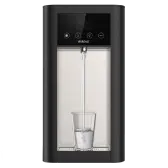
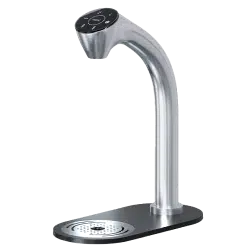
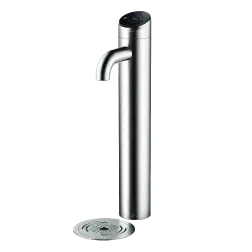
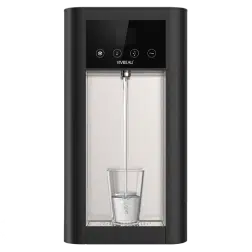
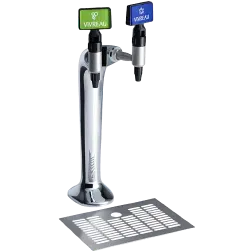
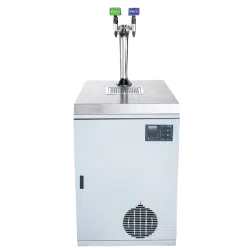
The design of the system also plays a role. In many workplaces, hydration sits in visible spaces such as kitchens, lounges, and client-facing areas. A sleek, integrated office water dispenser or a well-placed countertop unit feels like part of the environment rather than an afterthought. It supports the overall look of the space while making a basic amenity feel more considered.
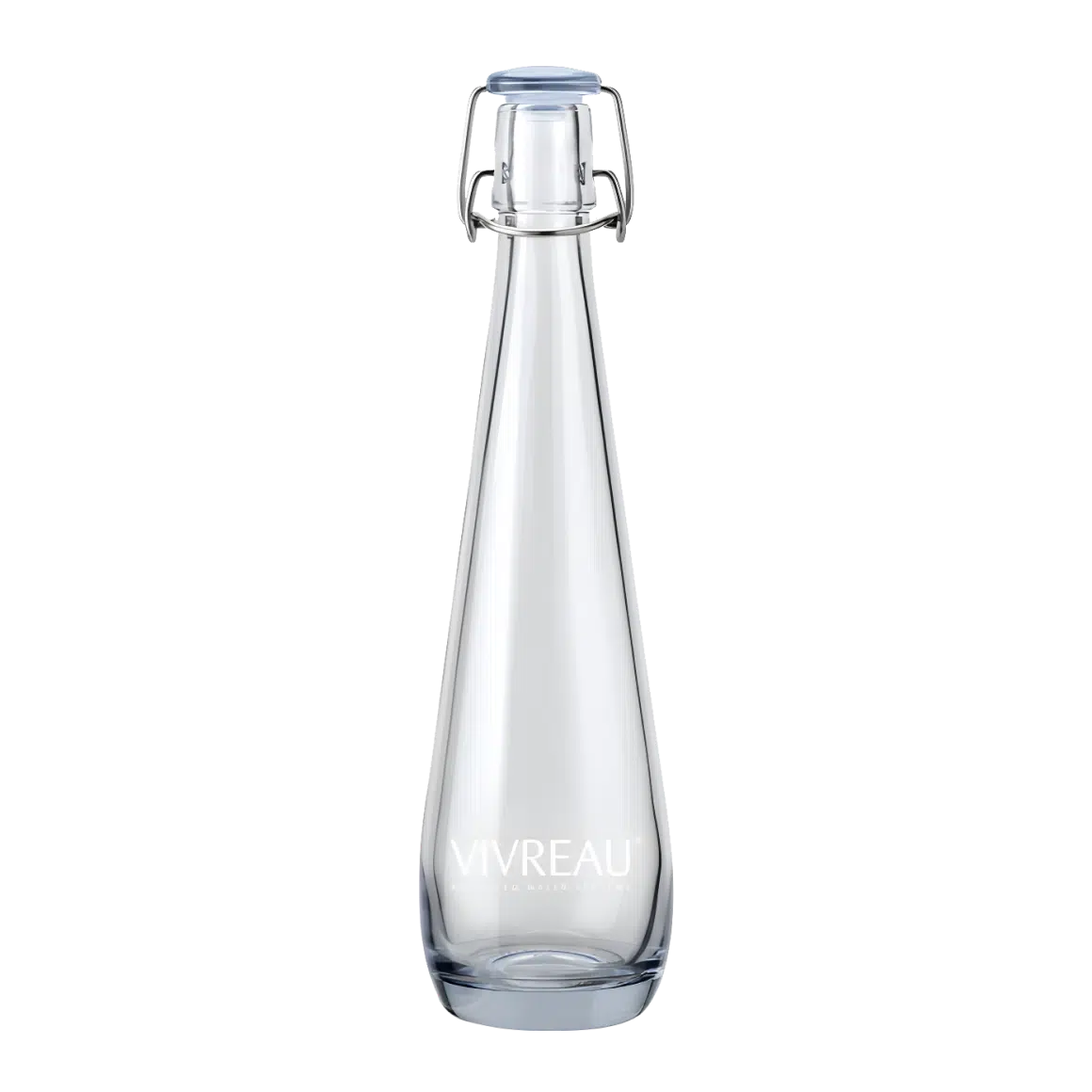
Reusable bottles help reinforce that shift. They reduce reliance on single-use packaging, but more importantly, they make refilling the default option. Branded bottles or glassware can also turn hydration into something visible and shared, which helps the habit stick and ties it back to company culture instead of positioning it as a tradeoff.

Cost and Operational Benefits of Ditching Bottled Water
Once you look beyond the purchase price of bottled water and include deliveries, storage, cleanup, and recurring staff attention, the old model starts to look far less efficient.
ROI needs to be viewed as an operating question, not just a line-item purchase decision. Companies can reduce the cost of their water program by up to 86% with a water dispensing system, as it eliminates deliveries, storage, and manual upkeep. That is why evaluating a commercial water dispenser is less about the unit itself and more about how it simplifies day-to-day operations.
Planning and installation still matter. Plumbing, power, drainage, clearance, and peak demand all influence what the right setup looks like, but they are variables to work through, not reasons to stay stuck with a bottled system that keeps generating recurring hassle.
Downtime concerns belong in the same conversation. In an office, hydration is a daily-use amenity. If the system is unreliable or hard to service, employees feel it immediately.
Smart water dispensers now include connected serviceability, which allows performance to be monitored in real time and issues to be flagged early. Instead of waiting for something to break, teams can rely on predictive alerts, preventative maintenance, and better-informed technician visits to keep the system running smoothly. That reduces downtime, avoids last-minute disruptions, and makes the overall water program far more predictable to manage.
Measurable Sustainability Wins
The strongest sustainability programs are the ones you can explain clearly. Replacing plastic water bottles with a reusable office hydration program creates a visible change in the workspace and a more concrete story for internal reporting.
Vague environmental language does not move many decisions forward. The most useful metrics are the ones teams can point to directly. That can include fewer plastic bottles in circulation, fewer deliveries to manage, and lower transportation-related CO2 emissions.
This level of clarity matters for ESG reporting and internal initiatives. Instead of broad commitments, teams can show progress tied to everyday changes in how the workplace operates. It also signals a more credible approach to sustainability, where improvements are built into systems rather than added on as one-off efforts.
It also helps to ground water quality conversations in recognized benchmarks. When teams evaluate filtration as part of a new hydration program, NSF/ANSI 42, 53, and 401 filtration standards give them a clearer way to understand what claims relate to taste, odor, and contaminant reduction.
A Better Office Water Program Should Reduce Friction, Not Shift It
Moving away from plastic water bottles is not just a sustainability decision. It is a way to simplify how the workplace runs. When hydration no longer depends on deliveries, storage, and constant restocking, teams get time back, and shared spaces become easier to manage.
The best office hydration programs balance experience, reliability, and measurable impact. When still, sparkling, and hot water are available on demand, supported by thoughtful placement and reliable service, hydration becomes part of how the space works instead of something that needs attention.
Request a quote to implement a premium, sustainable hydration program for your office.

FAQs
-
How Can Offices Reduce Plastic Bottle Use Without Disrupting Employee Hydration?
Make the refill option easier than the bottle. Put dispensers where people already gather, make access simple throughout the day, and pair the change with reusable bottles so the new behavior feels natural instead of forced.
-
Which Types of Water Dispensers Are Best Suited for High-Volume Office Settings?
The best fit depends on headcount, peak traffic, layout, and the mix of still, sparkling, and hot water your team expects. High-volume offices usually benefit from a commercial solution sized to real throughput, with installation and service planning handled up front.
-
What Measurable Sustainability Benefits Result From Replacing Plastic Bottles With Reusable Solutions?
The biggest gains usually come from reducing packaging waste, cutting delivery-related friction, and improving the office’s overall environmental reporting story. When those gains are tied to tracked usage and clear proof points, the sustainability story becomes much easier to share internally.


