







TL;DR
If you want better hydration at work, the simplest fix is usually better design, not more reminders. When water is visible, easy to reach, reliable, and appealing, employees are more likely to drink it throughout the day.
- Put water where people already work, meet, and take breaks.
- Make hydration part of daily routines, not a separate task.
- Reduce downtime and staff effort with reliable service planning.
- Offer still, sparkling, and hot options to match real preferences.
- Track usage, waste reduction, and operational wins so the program keeps improving.
Most employers already know hydration matters. The challenge is not awareness. It is execution. In many offices, water is still tucked away in a breakroom, tied to a jug system that needs constant attention, or overshadowed by coffee and packaged drinks that are simply easier to grab.
When access feels inconvenient or inconsistent, even the best intentions tend to fall off during a busy workday.
Effective workplace hydration has less to do with reminders and more to do with design. When water is easy to see, simple to access, and reliable throughout the day, it becomes part of the normal flow of the workday.
Make Hydration Visible and Accessible
The first step is simple. If water is hidden in the back of the office, people are less likely to use it consistently.
That is why placement matters so much. OSHA’s 2023 hydration tipsheet says employers should make cool water accessible and visible, which is a useful principle even in office settings where convenience shapes habits just as much as policy does.
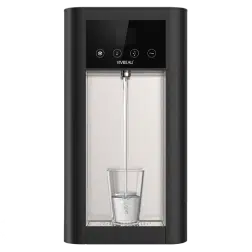
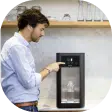
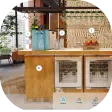
In practice, it means placing on-demand still, sparkling, and hot water dispensers in the areas people already use throughout the day. When dispensers are placed near workstations, meeting rooms, pantries, and lounge spaces, it is easier for employees to grab water in the moment instead of putting it off.
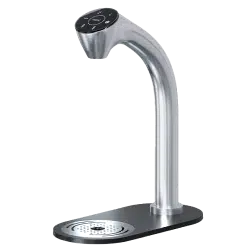
The design of the system also plays a role in whether people actually use it. With well-placed, design-forward office water dispensers, hydration feels like part of the environment rather than an afterthought.
Create Habits Through Convenience
People rarely need another reminder to drink water. They need fewer barriers between intention and action.
A strong setup supports the routines employees already have. When hydration points are placed near coffee stations, collaboration areas, and natural pass-through zones, reaching for water becomes part of the day instead of a separate task. That is the same logic behind common advice on staying hydrated. Access drives behavior more than intention alone.
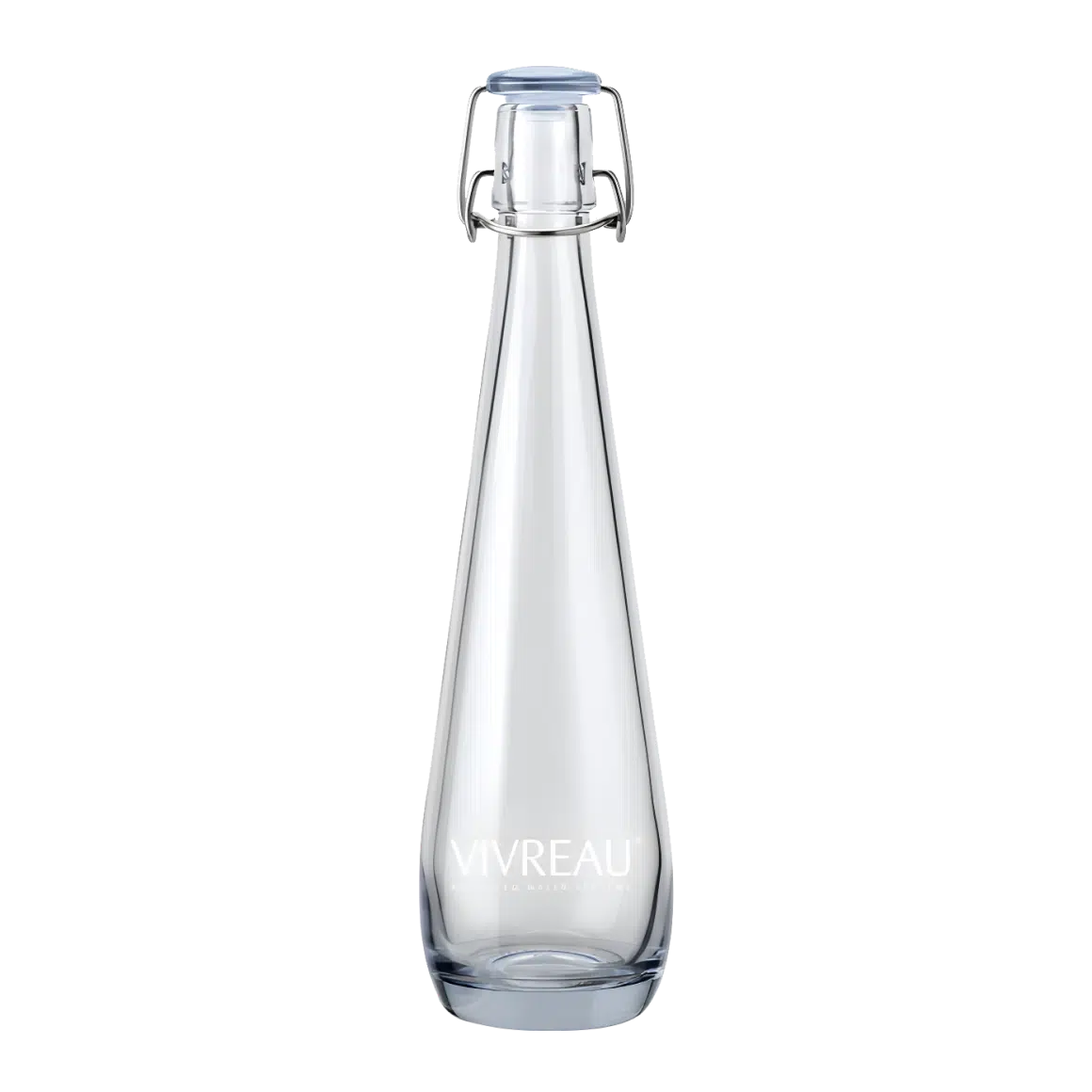
Small details can reinforce that habit. Reusable or branded bottles, for example, give employees an easy way to refill throughout the day while creating a subtle, repeatable touchpoint that keeps hydration top of mind without needing prompts or policies.
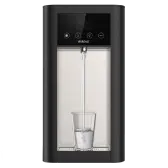
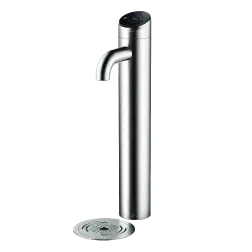
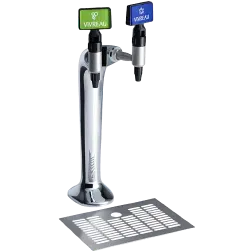
Convenience also depends on choosing the right system for the space. Whether it’s a countertop unit or an integrated tap, the goal is quick, consistent access without waiting, refilling, or second-guessing.
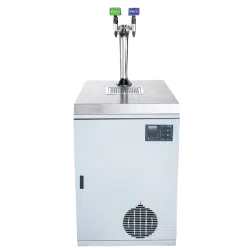
When a commercial water dispenser delivers still, sparkling, or hot water on demand in a way that feels effortless, staying hydrated becomes a default choice rather than something employees have to think about.
Leverage Technology to Reduce Friction
Hydration programs only feel effortless when they stay up and running. Reliability is not a bonus feature. It is part of the employee experience.
That is why downtime deserves attention early. When a system needs constant refills, manual troubleshooting, or reactive service calls, hydration becomes one more operational burden for staff instead of a quiet improvement to the space.
Connected monitoring and better service planning can help reduce that friction.
A setup that makes it easier to spot issues early, prepare technician visits properly, and maintain consistent uptime gives employees reliable access while reducing the amount of hands-on intervention your team has to manage. That matters most in busy offices where an office water dispenser has to work all day without becoming another ticket in the queue.
Offer Choice to Drive Engagement
The best water for the workplace comes down to choice. Employees are more likely to drink water when the option feels appealing, not merely available. Choice makes hydration easier to repeat.
Still water is the baseline, but sparkling and hot water can expand when and how people use the system. The CDC says plain water, sparkling water, seltzers, and flavored waters can all fit into healthier drink choices. Offering that range makes it easier for employees to choose water in more situations throughout the day.
This also matters when you are trying to shift people away from sugary beverages. The CDC’s latest guidance says sugary drinks remain the leading source of added sugars in the American diet, so giving employees more appealing water options can support wellness without turning hydration into a lecture.
Measure, Celebrate, and Communicate Impact
A hydration program is easier to defend when you can show what changed. That means measuring more than whether a dispenser was installed.
Start with metrics that are easy to explain, such as refill counts, service uptime, employee adoption, fewer single-use containers on site, and less time spent managing deliveries or storage. Those indicators connect hydration to both workplace experience and operational efficiency.
Sustainability belongs in that picture too, but it works best when it is tangible. EPA guidance continues to emphasize reuse and plastic waste reduction, so tracking fewer plastic water bottles and more refill behavior gives teams a clearer way to report progress internally.
Build Hydration Into the Workday
The most effective workplace hydration solutions do not rely on constant reminders. They work because water is easier to see, easier to reach, and easier to choose throughout the day.
When you want hydration to support wellness, convenience, and a better office experience without adding operational drag, the setup matters. Request a quote to explore the right fit for your space.
FAQs
-
How Can Offices Design Water Access Points to Encourage Daily Hydration?
Place hydration points where employees already pause and circulate, such as pantry entries, meeting room corridors, and shared lounge areas. Visible access is what turns water into the default option instead of a delayed decision.
-
Which Types of Office Water Dispensers Work Best for High-Traffic Workplaces?
The best fit depends on traffic, space, and service expectations. High-traffic offices usually need a commercial setup that matches peak demand, stays reliable, and fits the design of the space rather than simply offering the lowest upfront cost.
-
How Can Premium Hydration Programs Reduce Plastic Use and Improve Sustainability Metrics?
They make refill behavior easier than grabbing packaged beverages. When employees can access water throughout the day and use reusable bottles instead of disposable ones, organizations can more clearly track waste reduction and support broader sustainability goals.


