











TL;DR
A busy gym needs more than a basic refill point. The right gym water dispenser has to keep lines moving, hold up to constant use, and support the kind of member experience people notice.
This article covers what matters most before you choose a system, including:
- How to plan for peak-hour throughput
- Which durability and hygiene features reduce staff burden
- How still, sparkling, and optional flavors can improve the member experience
- Where the ROI comes from, including fewer deliveries, less storage, and less downtime
- What to check before selecting a system for your facility
A gym water dispenser setup gets tested in waves, before class starts, after class ends, during evening rushes, and anywhere members pause to refill between sets. That makes this a different buying decision than a standard pantry amenity or a low-use break room fixture.
That pressure is only getting higher. The Health & Fitness Association says fitness facility memberships reached an all-time high of 72.9 million in 2023, with total facility users up 9.7% year over year, so more clubs are being asked to deliver a better on-site experience without adding more friction for staff.
Maximizing Throughput for Busy Gyms
Throughput is the first thing to get right because members will notice a slow refill station fast. A gym water dispenser should be sized around peak demand, not average daily use, especially if your busiest windows cluster around classes, cardio zones, or locker rooms.
That usually means looking at real output numbers instead of broad category labels. A system rated for around 21 gallons, or 80 liters, per hour of chilled still or sparkling water gives operators a clearer benchmark for high-traffic environments than a generic “commercial-grade” label, which can mean very different things in practice.
Layout matters just as much as capacity. A station can have strong output and still feel slow if members queue from one side, crowd a narrow counter, or block circulation near training areas. A well-planned commercial water dispenser setup accounts for how people actually move and refill, including bottle size, access from multiple angles, and enough clearance for quick turnover during peak periods.
Connected monitoring can also protect performance during the busiest parts of the day. Vivreau’s iQ Solution is a 24/7 monitored platform with remote repair and predictive maintenance that reduces downtime waiting for technician visits. That matters because even a short outage becomes visible to members right away.
Durability: Built to Withstand Heavy Use
Durability is important because gyms do not create occasional wear. They create repeat contact, quick fills, splashes, wipe-downs, and constant visual scrutiny, so the system has to perform like a true commercial solution and still look good in a member-facing space.
ACSM’s Health/Fitness Facility Standards and Guidelines emphasizes that fitness facilities should be designed and maintained to support safe, reliable, and consistent member experiences, which extends to every piece of shared equipment and infrastructure. That means durability is not just about materials. It is about how well a system performs under repeated daily use without creating hygiene risks or service interruptions.
That shows up in the details. High-traffic environments benefit from components that are easy to clean, surfaces that can handle frequent sanitizing, and systems that signal when maintenance is needed. Features like removable nozzles, clear service alerts, and built-in safeguards for things like CO2 levels or system performance help teams stay ahead of issues instead of reacting after something fails.
Hygiene belongs in the durability conversation, too. On Vivreau systems, ThermalGate automatically and regularly heats the tap to disinfect it, while connected service features are designed to identify potential issues early and support remote troubleshooting before they turn into a visible disruption.
Elevating the Member Experience
Member experience is where hydration starts doing more than one job. A well-placed dispenser supports convenience, but it also signals that the facility pays attention to comfort, recovery, and the small operational details that shape how premium the space feels.
Choice helps here. CDC guidance on water and healthier drinks notes that sparkling water, seltzers, and flavored waters are low-calorie choices, so offering still water plus sparkling and optional flavor variety can make healthier drinks easier to choose without leaning on packaged beverages.
A premium flavor collection gives members more variety, supports a more polished recovery or lounge area, and helps a sparkling water dispenser feel like a thoughtful amenity instead of a basic refill point.
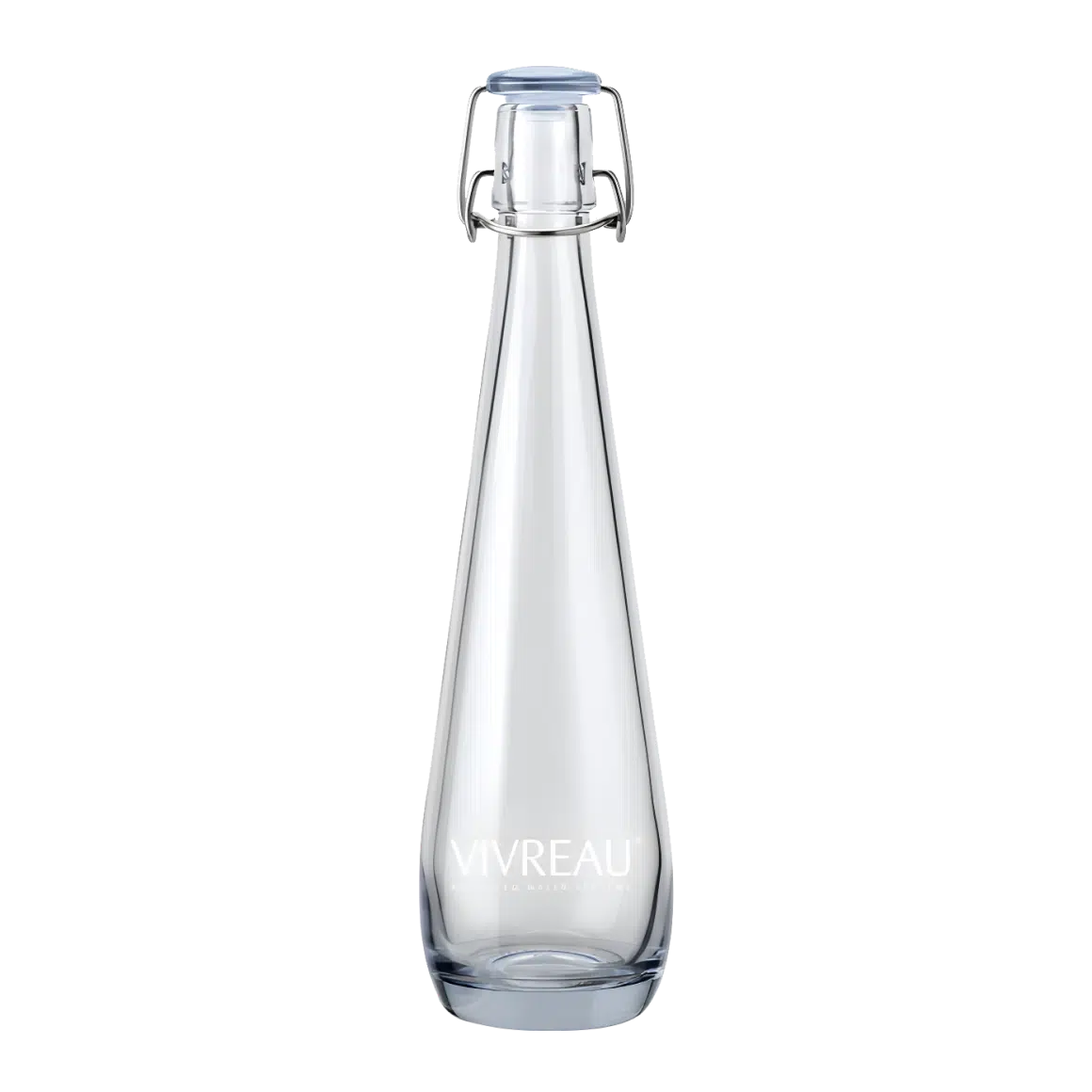
Reusable bottles can reinforce that experience while supporting branding and sustainability goals. For example, the LARQ x Vivreau collaboration introduces self-cleaning, UV-C-equipped bottles designed to reduce odor, contamination, and maintenance, while offering a more premium, on-the-go option for members.
That kind of program adds polish, encourages repeat use, and keeps hydration aligned with the overall quality of the space.
Operational and Cost Efficiency
For operators, the ROI conversation usually starts with everything the staff no longer has to manage. A strong water dispenser can reduce bottled water deliveries, back-of-house storage, refrigeration needs, and the constant labor tied to restocking or cleaning makeshift hydration stations during busy periods. That is where the savings come from, with the right hydration solution reducing total water program costs by up to 86%.
The operational benefit is not just lower spend. Usage-based predictive maintenance, remote diagnostics, and real-time alerts help teams plan service more proactively, which is especially important in gyms where a dispenser outage can create visible friction in minutes, not days.
Connected systems can cut downtime waiting for technician visits by 25% through remote diagnostics and faster issue resolution.
That is why the best hydration program usually wins on two fronts at once. It lowers the total cost of ownership over time and protects the consistency of the member experience during the exact periods when your facility feels busiest.
Choosing the Right Gym Water Dispenser
Choosing the right system starts with a simple usage map. Look at how many members refill during a typical rush, where queues tend to form, what water types your facility wants to offer, and whether the station is meant to function as a basic utility or as part of a more premium member experience.
Then pressure-test the practical details early. Plumbing readiness, power, drainage, service clearance, cleaning access, and downtime planning all matter, and they are easier to solve before specification than after installation.
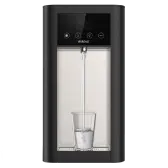
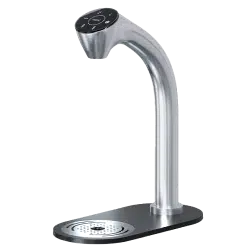
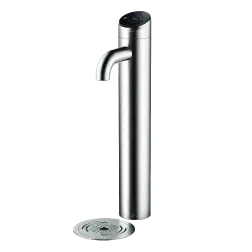
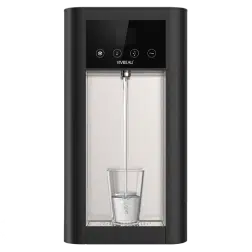
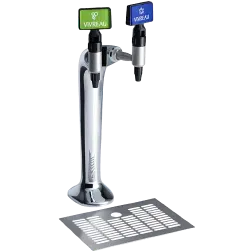
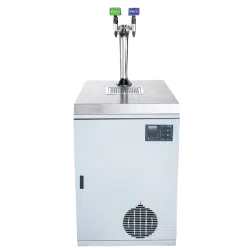
That is also the point where it helps to compare the types of water dispensers that fit your footprint and traffic level, whether that means a countertop model, an integrated tap, or a higher-throughput bottling setup. The right gym water dispenser should keep hydration moving, support your brand experience, and reduce day-to-day friction for the people running the floor.
When those pieces line up, hydration stops being a maintenance task and starts acting like a visible upgrade to the whole space. Request a quote to explore a durable, high-performance Vivreau gym water dispenser for your facility.
FAQs
-
What Type of Water Dispenser Is Best Suited for High-Traffic Gyms?
The best fit is the one matched to peak refill demand, not just total membership. Smaller clubs may do well with a countertop water dispenser near a recovery or lobby zone, while larger facilities often need a higher-output format that can keep bottle fills moving during class changeovers and evening rushes.
-
How Do Vivreau Dispensers Improve Member Experience Compared to Traditional Bottled Water Systems?
They replace deliveries, storage, and manual restocking with on-demand still or sparkling water in a format that feels cleaner and more design-forward. They can also support optional flavor programs and reusable bottle strategies that make hydration feel more aligned with a premium gym brand.
-
What Are the Measurable Sustainability and Operational Benefits of Commercial Gym Water Dispensers?
The measurable benefits include lower water-program costs, fewer service delays, and lower emissions tied to remote fixes. The operational benefit is just as important because predictable service means fewer disruptions during high-use windows.


