









Key Takeaways
- Venue hydration covers five zones, from general seating to team and performer areas, and each zone needs water in a different form.
- The model plumbing code sets one drinking fountain per 1,000 occupants, and heat guidance and reusable-bottle rules can push demand above that minimum.
- Plumbed dispensers and on-site glass bottling remove the deliveries, storage, and empties that make a bottled water program costly to run.
Stadium water stations are one part of a bigger job. A venue serving thousands of people has to keep fans, suite guests, staff, and teams supplied through every peak. With bottled water, that job turns into pallets, storage, restocking, and waste. Venues that plan water one zone at a time can serve the same crowds with far less plastic. The bottles they stop buying also become a sustainability result fans and sponsors can see.
We help venues plan that system, from on-site glass bottling for suites and catering to connected dispensers that keep staff and team areas supplied across a full season.
Where Venue Hydration Demand Comes From
Venue hydration covers more than the concourse. A stadium or arena has several zones running at once, and the people in each one need water in a different way.
- General seating and concourses need free, fast refills close to each section.
- Suites and clubs call for water served at the table or the bar, often still and sparkling.
- Catering and event spaces need water for plated dinners, receptions, and meetings booked on non-event days.
- Staff and crew areas need steady access through shifts that start hours before the gates open.
- Team and performer areas need water in locker rooms, training rooms, and green rooms.
Demand also arrives in waves. Lines form when the gates open, during breaks between periods or sets, and as the crowd heads out. A hot day pushes every one of those peaks higher.
Bottled water can become the default for all five zones because it is easy to order. Looking at each zone on its own shows where a better option can replace the bottle, such as a refill station near the seats or glass bottles in a suite. When each zone gets its own water plan, the venue can cut single-use plastic across the whole building.
Planning Stadium Water Stations Around Code, Heat, and Bottle Policy
Stadium water stations start with a code minimum. The 2024 International Plumbing Code sets one drinking fountain per 1,000 occupants for both indoor arenas and outdoor stadiums. Where a building needs three or more fountains, the code lets water dispensers stand in for up to half of them. Local code and the local code official make the final call.
A hot day calls for more than the code minimum. New York City’s extreme heat guidance tells outdoor event organizers to make water available to everyone at the event, workers included, once the heat index reaches 85°F. At 95°F, the guidance calls for more free drinking water.
Bottle policy changes the count too. Under New York City’s Local Law 35 of 2024, sports venues can no longer stop fans from bringing a reusable aluminum or stainless steel bottle to professional and college games. Venues may require the bottle to be empty on entry. Those empty bottles need somewhere to be filled once fans are inside.
Some venues pair a plastic ban with easy refill access. Seattle’s Climate Pledge Arena removed single-use plastics in 2023 and points guests to 30 refill stations around its concourse.
The Event-Day Cost of Bottled Water
The price per case is the easy part of a bottled program to see, and the rest of the cost shows up on event day as work.
Pallets arrive before doors open and need dock time, floor space, and cold storage. Staff carry heavy cases to stands, suites, and green rooms, then restock them while the event runs. Someone tracks inventory so a busy stand doesn’t run out mid-event. After the crowd leaves, the empties go into the waste stream, and a crew has to handle them.
Across a season, that labor, storage, and coordination can add up to a significant portion of what a bottled program costs to run. Organizations tend to underestimate those operational costs until they see a full comparison with a point-of-use system.
An event venue water service built on plumbed dispensers and on-site bottling removes most of that handling. Water comes from the building supply, so there are no water deliveries to receive and no plastic empties to haul out. CO2 cylinders for sparkling water and replacement filters still arrive on a planned cycle. Reusable glass bottles also need washing between uses.
Serving Premium Areas and Back-of-House Without Plastic
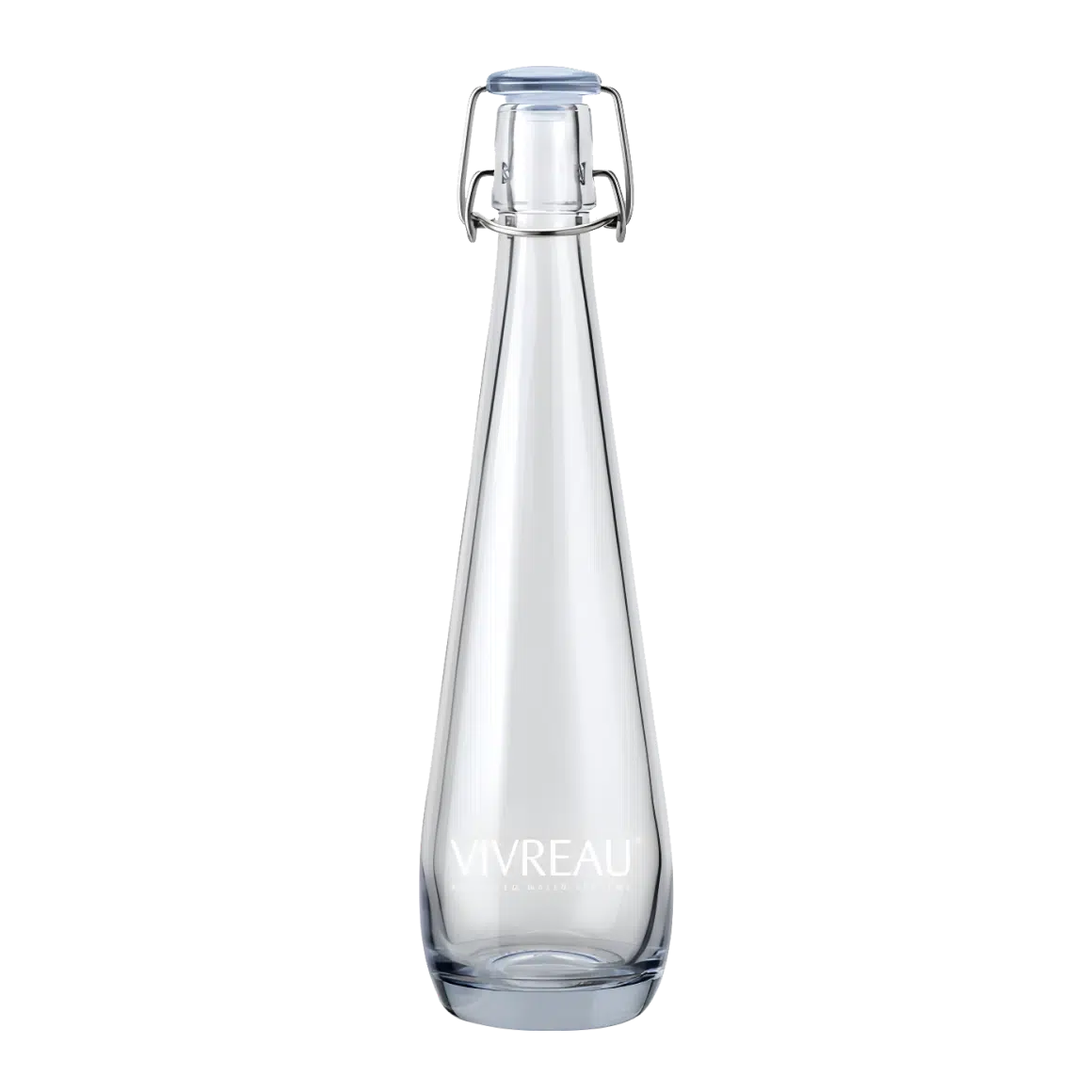
In suites, clubs, and catering, staff serve water by hand, and that is where glass fits best. Our high-volume bottling systems produce an average of 53 gallons (200 liters) of chilled still or sparkling water per hour and fill a bottle in about 16 seconds. A catering team can fill reusable glass bottles before service and top up the supply during it.
Large events use the same approach at the bar. For the 2026 Vanity Fair Oscar Party, our fifth year as hydration partner, the plan called for pre-filled glass bottles at every after-party bar and to-go bottles for guests as they left.
At Yankee Stadium, our systems are part of the premium hospitality experience in the Legends and Audi Lounges. In the Legends Lounge, staff fill reusable bottles with still and sparkling water from our system. They prepare the bottles for service and bring them to the table, where guests are served in the dining room. The Audi Lounge also builds reusable bottles into its premium food and beverage service.
That service depends on where the equipment sits. Placement is part of the hospitality workflow, not only a question of where a water line is available. The location must meet the model’s water, electrical, drainage, ventilation, and service needs, where applicable. It also has to work for the staff who use the system during service. When both line up, guests see a polished water service, and the infrastructure stays out of sight. The lounges move away from single-use bottles without giving up the service a premium seat promises.
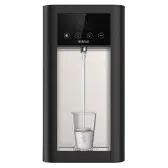
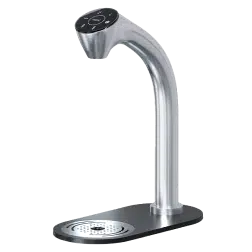
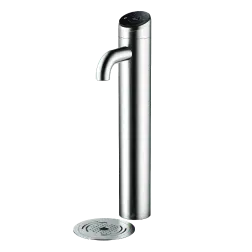
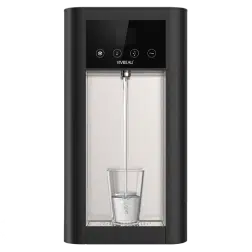
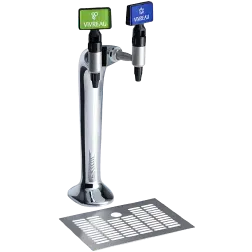
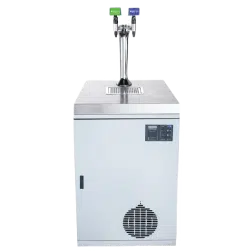
Staff, crew, and team areas need steady output more than table service. Our Top Pro averages 85 liters per hour of chilled still, unchilled, semi-sparkling, and sparkling water. The Extra I-Tap delivers the same output and water types from a counter-mounted tap. That output suits a locker room, a training room, or a staff break area through a long event day.
Some pro teams have made this switch at their own facilities. Vancouver Whitecaps FC installed three Extra I-Taps at its training facility, where half-finished bottles left behind had added up to more than 10,000 a year. The club’s Director of Corporate Partnerships said its players are moving away from single-use plastics there. Teams across the NFL, NBA, WNBA, and MLB, including the New York Yankees, also rely on our systems for their athletes and staff.
Keeping a Fleet Running From Opening Day to the Last Event
A venue with many dispensers needs every one of them working on event days, when a down unit is most visible. In busy spaces, uptime depends on proactive service. That means responsive service coverage, planned filter changes, and catching a problem before guests reach the tap.
The event calendar makes scheduling easier. Routine service fits on non-event days, so filter changes and checks happen while the building is quiet.
Connected dispensers help with the rest. Our iQ Solution monitors Extra C-Tap, Extra I-Tap, and Top Pro units around the clock and sends real-time alerts. Some issues can be fixed remotely, without waiting for a technician visit. iQ connectivity comes with our Gold and Platinum service plans. Platinum adds full 24/7 remote monitoring and remote diagnostics.

Making Bottles Avoided a Visible Sustainability Statement
A water program becomes a sustainability statement when the venue can count it. We recommend single-use bottles eliminated per year as the main number, because fans, sponsors, and leadership all understand it. Cost savings, plastic weight, and emissions come second, and only where reliable data exists.
The baseline can be simple. At Whitecaps FC, a former player collected every discarded bottle for 30 days and used the count to build the case for switching. A venue can run the same count from its own bottled water orders.
Venue results show how the number gets reported. Austin’s Q2 Stadium lets every fan bring their own reusable cup or bottle, and the venue estimates the policy keeps about 50,000 plastic water bottles a year out of the trash.
In a 2025 survey of 70 U.S. pro venues, 77% said their sustainability programs increased visitor satisfaction, and 58% reported more sponsorship revenue. A yearly bottle count gives sponsors and leadership a specific number to cite.
Plan Venue Water Before Next Season
Serving thousands of people without plastic comes down to matching each zone of the venue with the right water setup. Refill stations handle the concourse rush, glass bottling covers suites and catering, and connected dispensers handle the back-of-house load. A service plan that covers the whole season keeps each setup running.
Request a quote to plan water service for each zone of your venue.
FAQs
-
How Many Water Stations Does a Stadium Need?
Under the 2024 International Plumbing Code, stadium water stations start at one drinking fountain per 1,000 occupants, and water dispensers can replace up to half of them where three or more are required. Plan beyond that minimum for hot days and for fans who carry reusable bottles. Your local code official confirms the final count.
-
Can Stadiums and Venues Serve Water Without Plastic Bottles?
Yes. A venue can use refill stations for fans, plumbed dispensers for staff and team areas, and on-site glass bottling for suites, clubs, and catering. Some venues also let fans bring reusable bottles, which shifts more demand to refills and away from bottles sold at the stand.
-
How Do Venues Measure the Impact of Removing Bottled Water?
Start with single-use bottles eliminated per year. Past bottled water orders give a venue its baseline, so compare them with orders after the switch. Cost savings, plastic waste avoided, and emissions reduced can follow as secondary figures where the venue has reliable data for them.
-
Can Water Dispensers Help a Venue Lower Its Carbon Emissions?
They can reduce the emissions tied to a bottled water program. Plumbed dispensers remove the water delivery runs, the single-use packaging, and the waste hauling behind each bottle. The size of the reduction depends on the program a venue is replacing, so measure that baseline before reporting a carbon figure.
Latest Posts


