











TL;DR
Better workplace water starts with modern filtration that improves taste, consistency, hygiene, and sustainability.
- Removes trace contaminants while improving clarity and quality
- Supports wellness goals and higher hygiene standards

Grabbing a glass of water is part of most daily routines, but stopping to consider exactly what we are consuming is often an afterthought. Many people are fortunate enough to have drinkable water straight from the tap, but most countries cannot provide tap water that is guaranteed safe to consume.
Water is critical to maintaining a healthy body, and every one of the 7 billion people on this earth need adequate daily hydration to survive. Our busy lives and wariness in drinking water straight from the tap have allowed the plastic, single-use water bottle industry to flourish and contributes to 50 billion plastic water bottles discarded ever year in the United States alone.
Additionally, the filtration and purification methods of these single-use water products vary vastly from brand to brand. Micro-filtration, for example, maintains the mineral content of the water while eliminating chlorine and particle contaminants, while distilled water contains almost no nutrients, and is intended for use in labs and to dilute hard water. While occasionally sold as drinking water, distilled water can cause harmful mineral deficiencies when consumed too often.
Common Treatments of Drinking Water

Microfiltration*
- Water is filtered through a membrane ‘s micro-sized holes to remove impurities
- Maintains beneficial nutrients and minerals
- Pressure-dependent process
Filters out: sediment, algae, and large bacteria
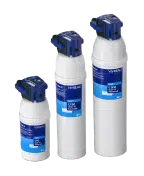
*All of Vivreau’s water systems use a high-grade version of this method called a sub-micron carbon block filter. This filter allows over 99% of contaminants to be removed, while leaving the healthy minerals intact.
Read more about Microfiltration
Filtered tap water
- All water intended for human consumption must undergo some sort of basic filtration process
- Usually treated with chemicals after being filtered
- If the water is intended for bottling and resale, a more stringent filtration process is required to meet EPA standards
Filters out: Particulate, organic matter, and micro-organisms
Read more about Filtered Water

Distilled Water
- Most of the nutrients are removed through boiling the water and condensing the steam
- Has a flat taste
- Should not be consumed as the only water source as nutrients one would normally attain from drinking water, such as calcium, have been removed
- Typically used in labs or to dilute hard water due to its high purity
Eliminates: all chemical and mineral properties
Read more about Distilled Water
 UV Water Purification
- Destroys 99.99% of microorganisms using Ultra Violet light
- Does not require a holding tank
- Does not remove other contaminants such as chlorine, salts or heavy metals
- Can only be used effectively on clear water
Eliminates: microorganisms
Read more about UV Water Purification
Reverse Osmosis
- Removes impurities, as well as bacteria
- Also removes healthy, naturally occurring minerals, which are vital to human body function
- For every gallon of purified water produces by this method, two – three gallons of water are wasted by running the system
- Process is very slow in comparison to other water treatment alternatives
Eliminates: all bacterial and mineral properties
Read more about Reverse Osmosis
 Alkaline
- Less acidic than regular tap water
- Can be created through natural or artificial processes
- Some studies suggest drinking alkaline water may have health benefits
- If consumed in high volume, may agitate the body’s normal pH
Enhances: increases the pH in drinking water
Read more about Alkaline Water
Stay (sustainably) hydrated this summer, friends!
What are the most hygienic water filtration systems available for commercial use in 2026?
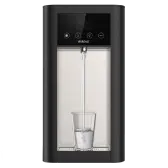
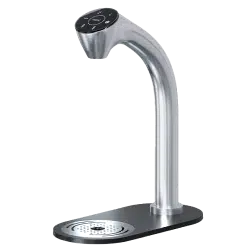
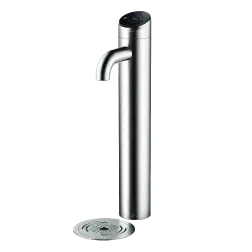
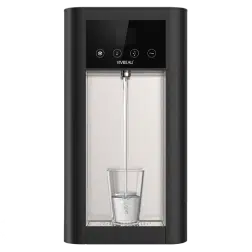
In 2026, hygiene and water quality standards remain a top priority for businesses across hospitality, healthcare, and corporate environments. The most hygienic commercial water filtration systems incorporate multi-stage filtration, sealed internal components, and advanced carbon or membrane technology to reduce contaminants while preserving essential minerals. Many premium systems now feature antimicrobial surfaces and touchless dispensing options to further enhance safety in high-traffic settings.
Beyond purity, these systems are engineered for consistent performance, ensuring reliable water quality without the variability often found in untreated municipal supplies. For organizations prioritizing employee wellness and guest satisfaction, selecting a professional-grade filtration solution ensures peace of mind, improved taste, and compliance with modern sustainability benchmarks.
Latest Posts


