








TL;DR
- Hotel Bardo, a restored 19th-century mansion turned urban resort in Savannah, rebuilt its water program to lift the guest experience and ease daily operations.
- The hotel replaced in-room single-use plastic bottles with Vivreau filling stations on every guest floor, built into marble countertops, and refillable glass bottles in each room.
- Guests now get microfiltered still and sparkling water steps from the door, and the Saint Bibiana restaurant runs a back-of-house Vivreau bottling system for table service.
- The property cut bottled-water purchasing, storage, and housekeeping work, saw tangible first-year savings, and kept sustainability as a supporting win.
In hospitality, the smallest touchpoints often carry the most weight, and water is one of the easiest to overlook. Guests reach for it constantly, yet many hotels still default to single-use plastic bottles that add cost, take up space, and require extra housekeeping work behind the scenes.
When Hotel Bardo opened in Savannah, a restored 19th-century mansion reimagined as an urban resort, it treated water as part of the guest experience instead of an afterthought. The property rebuilt its water program across the guest floors and its restaurant, improving the guest experience while easing daily operations. This spotlight looks at what changed, why it mattered for a design-led hotel, and what other properties can learn from it.
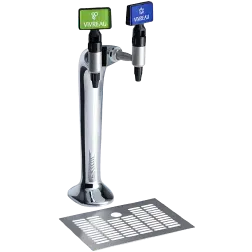
Hotel Bardo swapped in-room single-use plastic bottles for Vivreau filling stations on every guest floor, set into marble countertops, plus refillable glass bottles in each room. The Saint Bibiana restaurant uses a back-of-house Vivreau bottling system for chilled still and sparkling table service. Guests get microfiltered water a few steps from their door, and the hotel cuts bottled-water purchasing, storage, and housekeeping labor while trimming first-year costs.
A Water Program That Did Not Match the Experience
Before the change, water was the one part of the stream working against everything around it. In-room single-use plastic bottles meant a steady cycle of purchasing, delivery, and storage, plus the housekeeping labor of restocking rooms and clearing empties.
For a property built around considered design and clear sustainability goals, bottled water felt out of place in the picture. Every other touchpoint felt intentional, and this one still felt like an afterthought.
Making Water a Guest Touchpoint
Luxury at this level is mostly about anticipation, giving a guest what they need before they think to ask. Water is easy to overlook and hard to get right.
When someone can pour a cold glass without hunting for a plastic bottle or calling the front desk, the moment reads as effortless, and effortless is the whole idea. Hotel Bardo treated hydration as one of the hotel guest experience amenities worth designing, not a utility to tuck out of sight.
A Reimagined Water Program
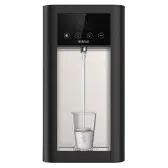
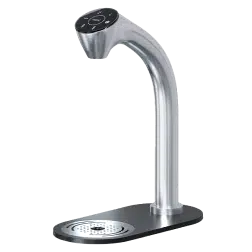
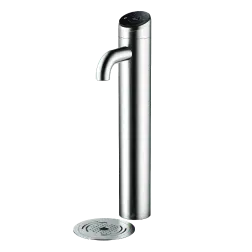
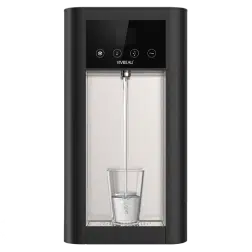
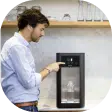
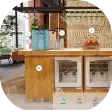
The reworked program starts on the guest floors. Vivreau filling stations sit on every floor, built directly into the marble countertops so the hardware reads as part of the room rather than an appliance parked beside it.
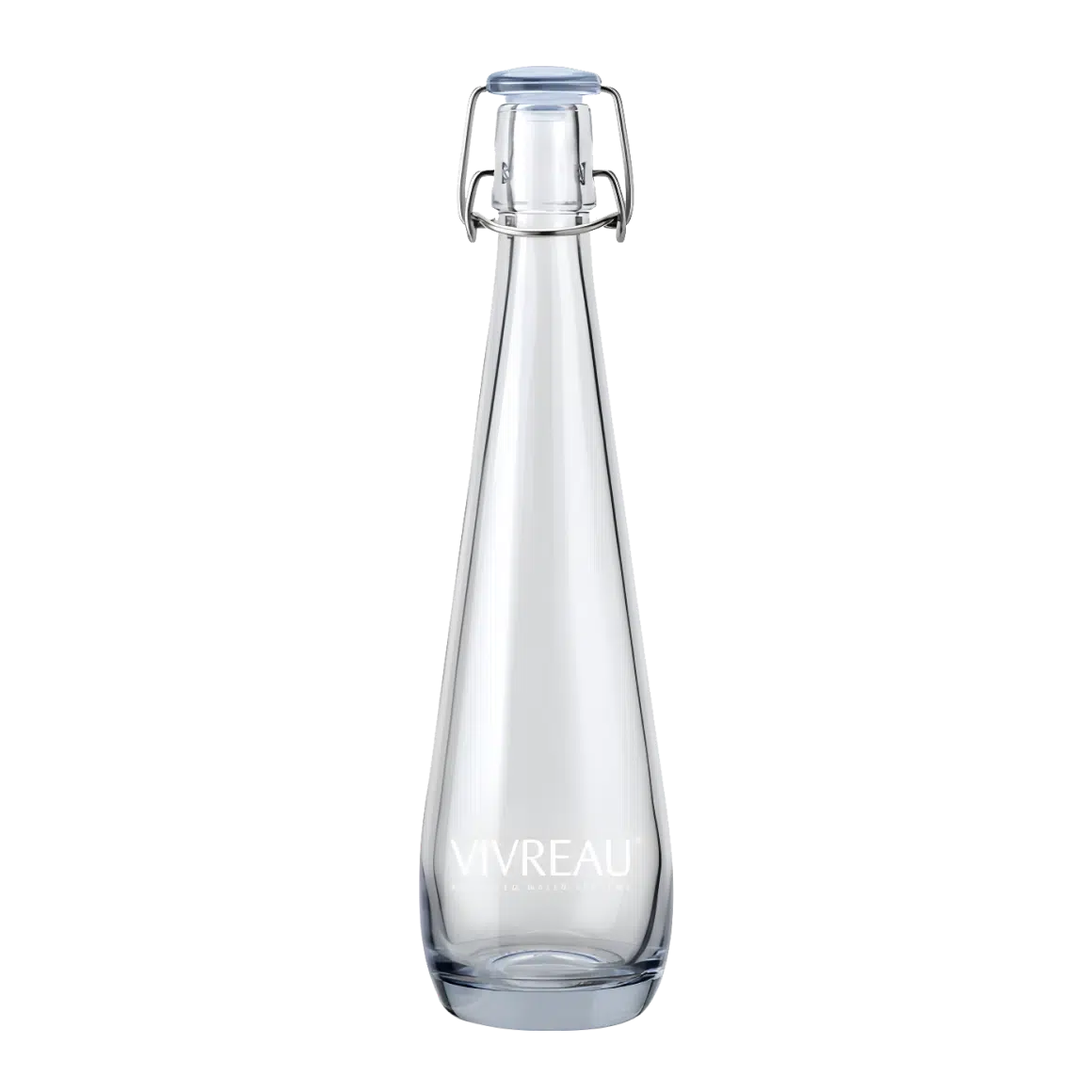
Each station pours chilled still and sparkling water, microfiltered and crisp, a short walk from any door. In the rooms, refillable Vivreau Twist bottles let guests refill at their own pace, turning in-room hydration into a more familiar experience.
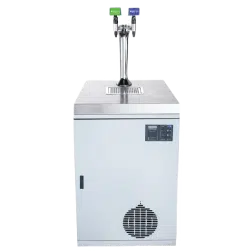
Downstairs, the Saint Bibiana restaurant runs a back-of-house Vivreau V3-201 bottling system for table service, so still and sparkling water arrive without the recurring cost and storage of imported bottled water.
Guests see polished glass bottles on the table, not a supply chain behind them. The guest-floor hotel water dispenser system and the restaurant filtered water dispenser both run on the same plumbed-in, microfiltered hotel filtered water system, which maintains consistent quality from the top floor down to the dining room.

Better Stays and Lighter Operations
The payoff shows up in two places at once. Guests have responded well, and the water program has quietly become part of what makes a stay feel considered.
On the operations side, self-serve refill stations reduced the purchase of single-use bottles and eased the housekeeping workload, while the restaurant system eliminated the expense and storage associated with imported bottled service. The hotel saw tangible cost savings in the first year, and the sustainability gains, less plastic and fewer deliveries, arrived as part of a wider set of sustainable hotel amenities rather than the reason for the change.

“Even within our first year, the cost savings over bottled service were tangible. And the guest response has been consistently positive. It’s a detail people notice, and genuinely appreciate.” —Huxley Hogeboom, Executive Vice President of Design and Development, LEFT LANE Hospitality
Why It Matters for Hospitality
Water is one of the most overlooked touchpoints in a hotel and one of the largest sources of in-room plastic, making it a rare place where a single change can improve the guest experience and lighten the operational load at once.
Bardo’s blend of historic architecture and modern design has drawn attention from Architectural Digest, Condé Nast Traveler, and Vogue, and its high-design hotel opening has been covered well beyond the trade press, so the property has every reason to guard how each detail lands. Rethinking hydration fits that standard.
For other operators weighing hospitality water solutions, the model is straightforward to replicate because it enhances the guest experience while removing work the staff would rather not do.
The same thinking that shaped Bardo applies to lobbies, lounges, spas, and restaurants, and it pairs naturally with the other small moves that enhance hotel guest experience without adding daily work. Vivreau builds these programs as integrated hotel and restaurant systems rather than standalone units, which is what lets the water disappear into the design.
Bring the Same Thinking to Your Property
Hotel Bardo’s water program is a small change with an outsized return. By designing hydration into the guest experience rather than leaving it to plastic bottles, the property gave guests something that feels effortless while removing real cost and labor from daily operations. Sustainability came along as a supporting win rather than the pitch. It is the kind of detail that is easy to overlook and hard to ignore once a property gets it right.
The same approach can work for hotels and restaurants of almost any size. Vivreau designs each water program around the space, the brand, and the way guests move through it, from filling stations on the guest floors to back-of-house bottling for food and beverage service, across the US and Canada. Whether the goal is a quieter housekeeping routine, more polished table service, or a clearer sustainability story, the setup can be shaped to fit the property.
For the full story of how the program came together, read our case study on Hotel Bardo. When you are ready to design something similar for your own property, request a quote to build a self-serve hydration program that elevates guest experience.
FAQs
-
What Changed in Hotel Bardo's Water Program?
Hotel Bardo removed single-use plastic water bottles from its rooms and replaced them with Vivreau filling stations on every guest floor, set into the marble countertops, plus refillable glass Vivreau Twist bottles in each room.
Guests now pour chilled still or sparkling water, microfiltered and crisp, a few steps from their door. The Saint Bibiana restaurant added a back-of-house Vivreau bottling system for table service, which covers the dining room without altering service.
-
How Did Guests Respond to the New Water Program?
The response has been consistently positive, according to the property’s team. Water access that feels as easy as at home tends to register with guests, even when they do not name it, and a refillable glass bottle in the room reads as a small sign of care.
Because the filling stations are built into the design rather than parked in a corner, guests treat them as part of the space. It is the kind of detail people notice and genuinely appreciate.
-
What Operational Savings Did the Hotel See After Moving Away From Bottled Water?
The hotel reported tangible cost savings within the first year. Self-serve refill stations on the guest floors cut spending on single-use bottles and reduced housekeeping’s restocking and empty-clearing workload.
In the restaurant, the back-of-house bottling system eliminated the recurring expense and storage associated with imported bottled service. Because the systems are plumbed in and refillable, those savings continue year over year instead of arriving once, alongside a lighter delivery and waste footprint.
-
How Is a Point-of-Use Water Program Integrated Into a Luxury Hotel's Design?
At Hotel Bardo, integration was the point. The guest-floor filling stations are built into the marble countertops so they read as part of the room rather than an appliance, and the in-room glass bottles match the property’s aesthetic.
Chilled still and sparkling water is available on demand, microfiltered at the point of use, ensuring consistent quality without bottles to store or deliver. The restaurant system stays back of house, so guests see polished glassware at the table and never the equipment behind it.
-
Can Other Hotels Replicate This Kind of Water Program?
Yes. The approach works for most properties looking to raise the guest experience while reducing bottled-water logistics. A plumbed-in, microfiltered system with filling stations in guest areas, refillable bottles in the rooms, and a back-of-house bottling setup for food and beverage service covers the same ground Bardo did.
The right configuration depends on the building, the floor plan, and the service model, which is why most properties start with a walkthrough and a quote rather than an off-the-shelf unit.
Latest Posts


