








TL;DR
- The spa amenities guests remember most are the quiet, intentional ones, and water service is an easy one to get right.
- Micro-filtered still, sparkling, and hot water from a sleek tap feels more premium than bottled water and creates far less waste.
- Where you place refill points, in lounges, treatment corridors, and fitness areas, decides how effortless the visit feels.
- Reliable, quiet operation keeps water service from ever interrupting the calm your guests came for.
Walk into a well-run spa, and the details speak quietly. The lighting is low. The sound is soft. Every object in the room feels chosen. In that setting, the spa amenities guests remember are rarely the biggest ones.
They are the small, intentional touches that make a space feel considered, and water service is one of the most overlooked. McKinsey research on hotels reaches a similar conclusion.
The properties guests rank highest win on the steady weight of thoughtful touchpoints, not on a few headline features. Water is one of those touchpoints, and a guest reaches for it many times in a single visit.
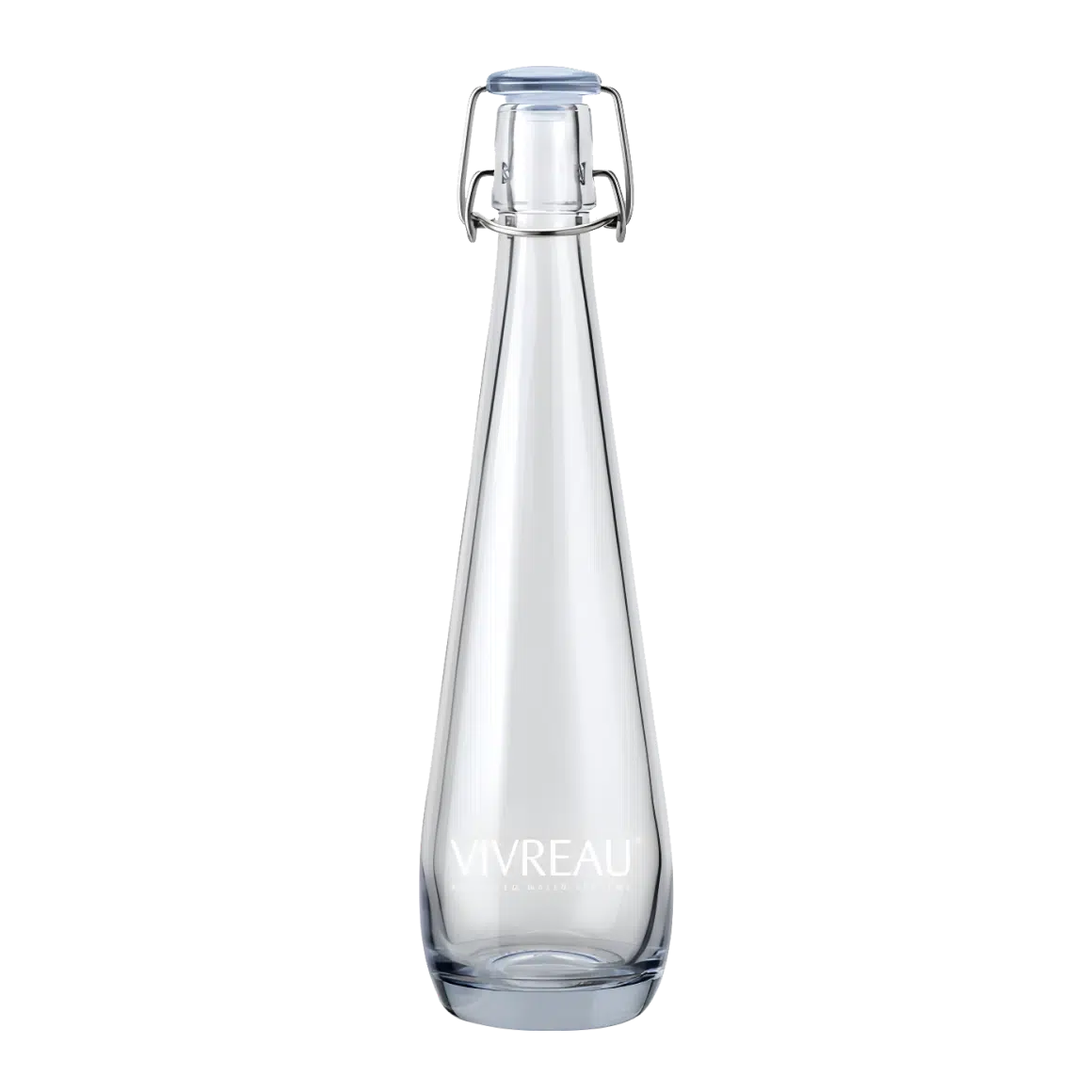
The spa amenities guests remember are usually the quiet, intentional ones, and water service belongs on that list. How water is presented matters, whether it is still or sparkling, chilled or hot for tea after a treatment, and whether it is poured from a reusable glass bottle instead of a stack of plastic. Served that way, water becomes part of the experience rather than a back-of-house chore. Reimagining water service means treating it as a design choice, one that stays calm, sustainable, and matched to the space. When you are ready to design that for your guests, you can request a quote from us.
Why Water Service Is a Spa Amenity, Not an Afterthought
The wellness economy reached 6.8 trillion dollars in 2024. It is on track to approach 9.8 trillion by 2029, according to the Global Wellness Institute.
Spas were among the fastest growing segments in that report, up 14.6 percent in a single year. Per-capita wellness spending is highest in North America, at roughly 6,029 dollars per person. Guests spending at that level notice how a space handles the ordinary moments.
Water is the most ordinary of them, which is why it carries weight. A guest might use the relaxation lounge once and the sauna twice. They will reach for water before a treatment, after it, and again on the way out.
Each moment is a chance to feel cared for, or to feel handed a warm plastic bottle. Operators already apply this thinking to hotel and restaurant dispensers, and it extends cleanly into the spa, where the pace is slower, and the attention to detail runs higher.
What Guests Actually Notice
Guests notice taste first. Micro-filtered water tastes cleaner than water that has sat in plastic. A choice of still, sparkling, or hot water for tea after a treatment feels considered rather than standard. The option itself reads as hospitality.
They notice presentation and quiet next. A reusable glass bottle on a side table looks intentional. A stack of plastic never will. A well-designed tap adds to the room’s calm rather than breaking it.
The same instinct that makes buyers weigh luxury gym amenities carefully applies here. Guests judge a premium space by whether its details agree with one another, and a clattering carafe or a humming cooler sends the wrong signal in a room built for stillness.
There is a practical payoff, too. When still, sparkling, and hot water are available on demand, staff spend less time restocking bottles and fetching drinks. Guests spend less time waiting. The visit feels seamless for the guest and simpler for the team to run.
Designing Water Into the Space
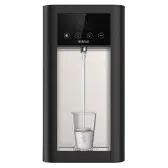
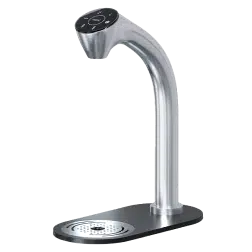
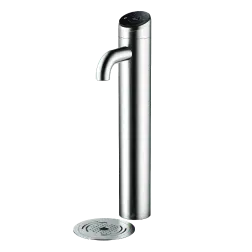
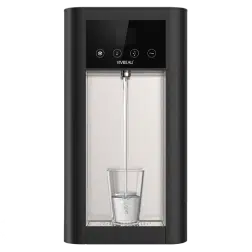
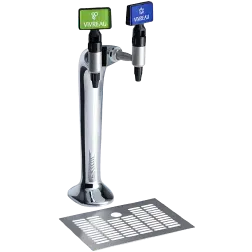
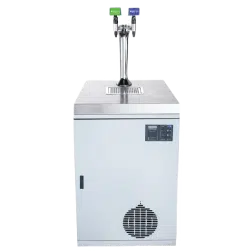
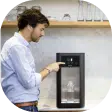
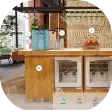
The best water service disappears into the room. Our Extra C-Tap can sit on a counter or integrate into the millwork, supporting the architecture rather than interrupting it. In our experience, refill points work best where hydration already feels natural, in relaxation lounges, treatment corridors, fitness areas, and near reception. Guests should never have to look for water.

Placement is what turns a sleek water dispenser into part of the experience. A hotel lobby water dispenser sets the tone at arrival. A hotel water station for guests near the locker rooms or the treatment wing keeps the visit moving.
The choice between a countertop tap and an integrated one usually comes down to the room. A countertop unit is flexible and quick to place. An integrated tap reads as bespoke and vanishes into the surface.
That integrated approach is how we worked with Hotel Bardo in Savannah. We built microfiltered still and sparkling water stations directly into the marble countertops on every guest floor, so hydration reads as part of the architecture rather than a machine parked against a wall. Each room gets a refillable glass Twist bottle guests can carry through the property and take home.
Behind the scenes, a compact bottling system handles still and sparkling water for table service in the restaurant. The integration was clean enough that the hotel group wrote it into its design standards for future properties, and the team reported cost savings within the first year. The lesson carries straight into a spa. When water service is designed in from the start, it supports the space instead of interrupting it.
The Quiet Sustainability Story
Sustainability is the supporting win here, not the headline, and guests can see it. Reusable, co-branded glass bottles replace single-use plastic in rooms and lounges.
They remove visible waste and create small, on-brand moments, the kind that tie food and beverage management and the brand experience it creates, into one considered impression. Travelers are watching this shift. Booking.com’s 2025 research found that 93% of global travelers want to make more sustainable travel choices.
We saw this play out with Auberge Saint-Antoine. In the hotel’s wellness and spa area, we replaced the traditional water cooler with a tap that serves chilled still, sparkling, and hot water, so guests can pour hot water for tea after a treatment. Moving to on-site filtration and bottling removed 60,000 single-use plastic bottles and more than 60 truck deliveries a year.
Guests get a better experience, and the property stops handling waste it never needed in the first place. For a wellness brand, that is a story guests can feel without a word of marketing, because the proof is the reusable glass in their hand.
Reliability Behind the Calm
The calm only holds if the system always works, so reliability belongs in the design conversation from the start. Our iQ Solution runs continuous remote monitoring, real-time alerts, and predictive maintenance.
Most service issues get resolved before a guest ever notices. That consistent uptime is what makes wellness center hydration solutions dependable rather than just another thing to manage.
Two details matter more in a spa than almost anywhere else. The first is hygiene. ThermalGate technology periodically heats the tap to prevent contamination, making it ideal for treatment areas and boutique medical office amenities where cleanliness is not negotiable. The second is sound.
We field more questions about acoustics than almost any other feature, from dispenser noise to hidden infrastructure, because the quiet of the room is part of the product. HL Med Spa chose us for exactly this blend of premium water options and hospital-grade hygiene.
Reimagine Your Water Service With Vivreau
Water service is easy to overlook and just as easy to get right. The spas that get it right treat water as a designed amenity, not a leftover task.
They think about taste and temperature, about how a tap looks in the room, about where guests refill without breaking stride, and about the quiet a treatment depends on. Handled that way, water stops being a logistics line and becomes one of the spa amenities guests actually remember.
The proof is already in the field. At Auberge Saint-Antoine, better water service means less plastic and a calmer guest experience. At HL Med Spa, it means premium water options with hospital-grade hygiene across a growing set of locations.
The common thread is simple. When water is designed in rather than added on, it supports the space, reflects the brand, and runs quietly in the background.
If you want water service to be part of the experience your guests remember, we can help you design it.
Request a quote to plan a calm, premium, and reliable water program for your spa, serviced across the United States and Canada.
FAQs
-
What Water Amenities Do Premium Spas Offer Guests?
Premium spas increasingly offer micro-filtered still, sparkling, and hot water on demand rather than bottled water. The water is served from design-forward taps and, often, reusable glass bottles that look intentional in a treatment room or lounge. Hot water on demand supports tea after a treatment, and sparkling adds a small moment of choice.
Placing refill points in relaxation lounges, treatment corridors, and fitness areas keeps hydration effortless. Many spas also offer a branded bottle guests can take home, extending the experience beyond the visit and quietly reinforcing the property’s attention to detail.
-
Why Serve Still, Sparkling, and Hot Water in a Spa Instead of Bottled Water?
Micro-filtered water tastes cleaner than bottled water that has sat in plastic, and a choice of still, sparkling, or hot water reads as genuine hospitality. Hot water lets guests make tea after a treatment, and sparkling water gives them a small, welcome option.
Serving water this way also removes the visible plastic, warm bottles, and clutter that undercut a premium wellness setting. It cuts the deliveries and storage that come with cases of bottled water, so the amenity feels better to the guest and is simpler and less costly for the team to run.
-
How Do Reusable Glass Bottle Programs Fit a Spa or Wellness Setting?
Reusable, co-branded glass bottles replace single-use plastic in rooms, lounges, and treatment areas. They look intentional on a side table in a way a plastic bottle never will, and they carry the property’s brand without a hard sell.
Because they are refilled on-site from a filtered tap, they cut waste and the delivery and storage that come with bottled water. Many properties place a filled bottle in each room or at each station, then invite guests to keep it. That small gesture turns a routine amenity into a memorable, on-brand moment guests associate with the stay.
-
Where Should Water Refill Points Go in a Spa or Wellness Space?
Refill points work best where hydration already feels natural, in relaxation lounges, treatment corridors, fitness areas, locker rooms, and near reception. The goal is to keep the flow of a visit so guests never have to search for water or wait in line.
High-traffic areas like the gym or the pool deck benefit from a station built for volume, while quieter zones can use a discreet countertop tap. Mapping placement to how guests actually move through the space keeps the calm, unhurried rhythm intact from arrival to departure and takes pressure off staff.
-
How Do You Keep Spa Water Service Reliable and Hygienic During Treatments?
Reliability and hygiene are designed in, not left to chance. Our iQ Solution uses remote monitoring and predictive maintenance to catch and resolve most issues before a guest ever notices, so the tap is working when it is needed. ThermalGate technology periodically heats the tap to prevent contamination, which suits hygiene-sensitive wellness and medical spa settings where cleanliness cannot slip.
Quiet operation is engineered in as well, so the system supports the treatment rather than interrupting it. In a spa, an amenity that fails or hums in the background does real damage to the experience, so dependable, silent performance matters.
Latest Posts


