














TL;DR
- Plastic reduction stands apart from most sustainability targets because it is actually tractable. Eliminating single-use plastic from a workplace water program can often happen in weeks, with visible, measurable outcomes tied to a single operational decision
- Infrastructure changes outperform awareness campaigns by removing the friction from the sustainable choice entirely. The World Bank documented approximately 200,000 bottles eliminated annually and a 43% return on investment over four years after switching to a Vivreau hydration program
- Credible sustainability efforts need numbers stakeholders can read without a technical background: bottles eliminated, cost savings, and plastic diverted from the environment, sourced from programs already running, not future pledges
Every corporate sustainability conversation eventually lands on the same question: what can we actually measure, and what can we actually change? For organizations serious about plastic reduction, the answer is often closer than they expect.
Corporate sustainability plastic reduction efforts that begin with their water program produce consistently trackable, reportable outcomes, and the operational steps to get there are already well-documented.
This piece explores why organizations are treating plastic elimination as a leadership-level priority, why office water infrastructure is a direct starting point for eliminating single-use plastic bottles, and what it takes to turn an ESG goal into a number you can actually stand behind.
Why Plastic Reduction Is Becoming a Business Leadership Issue
Sustainability reporting has become a performance standard, not a communications strategy. Investors, employees, and procurement teams now review ESG disclosures with genuine scrutiny, and plastic reduction has acquired deadlines, not just aspirations.
The scale of the problem is not abstract. The world generates approximately 400 million tonnes of plastic waste each year, and plastic pollution statistics show that 91% of all plastic ever made has never been recycled. For companies tracking plastic reduction as a sustainability metric, the global context attaches weight to workplace procurement decisions that would otherwise look small.
Plastic reduction stands out from other sustainability targets because it is actually tractable. Decarbonizing a supply chain or retrofitting a building for energy efficiency takes years and substantial capital. Eliminating single-use plastic from a workplace water program can often happen in weeks, and the outcome is visible, trackable, and tied to an operational decision that a facilities or sustainability leader can make directly.
The combination of global urgency and operational accessibility makes workplace water infrastructure a consistent entry point for office sustainability programs.
Is Workplace Hydration an Overlooked Sustainability Opportunity?
Walk through most office buildings, and the most predictable source of single-use plastic is the water program. Bottled water programs, case shipments, and jug deliveries remain the default for many workplaces, often because no one has stopped to calculate the full cost of that default.
Running a bottled water program often requires more logistics than facilities teams have stopped to calculate. Water is filtered and filled at a manufacturing facility, loaded onto a truck, transported to a regional distribution center, loaded again, driven to the building, carried into storage, distributed to kitchens and conference rooms, and then the empty containers are collected and managed as waste. That process repeats every week.
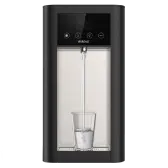
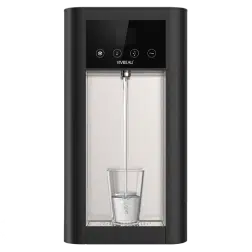
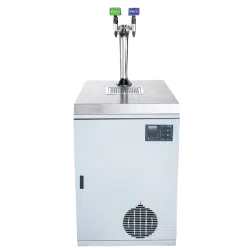
A single water dispenser tied directly to a building’s water line eliminates that entire cycle. What remains is microfiltered, on-demand still or sparkling water with no supply chain attached.
For a facilities manager or sustainability officer calculating their organization’s plastic footprint, plastic bottle reduction in the workplace starts with the water program, and in many cases, it is the most operationally straightforward item on the list.

Why Infrastructure Changes Create More Lasting Impact Than Awareness Campaigns
Many organizations begin plastic reduction efforts with campaigns. For example, posters near trash bins, staff emails about reusable bottles, and reminders during sustainability months. These efforts contribute to culture and awareness, but they work by asking people to make a different choice every day. Infrastructure removes that requirement entirely.
When the World Bank Group addressed single-use plastic consumption at its Washington, DC headquarters, motivation was not the issue. The organization already had sustainability commitments at the mission level. The friction was operational: staff reached for a plastic bottle because it was the easiest option.
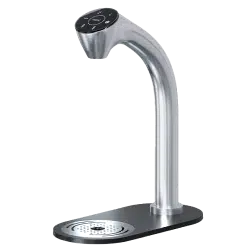
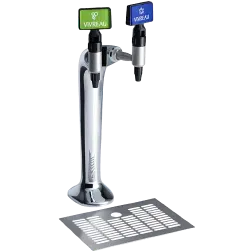
The solution was a Vivreau hydration program built around dispensers and custom reusable glass bottles. Five high-volume water dispensers and Vi-Taps were installed throughout the cafeteria building.
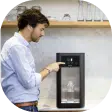
The infrastructure change meant that reaching for a single-use plastic bottle was no longer the default. Filtered water was always available, always chilled, and required no additional effort from staff or guests.
The hydration program saved approximately 200,000 bottles from landfills each year and generated a 43% return on investment over 4 years. The food services team used a data-driven cost-benefit analysis to build stakeholder buy-in, and the sustainability and food service departments partnered on the internal rollout. The outcome held because the infrastructure removed friction from the sustainable choice, not because anyone had to be repeatedly persuaded.
When filtered water is available on demand, there is nothing to remember, nothing to resist, and no less convenient alternative waiting nearby. The behavior becomes the default, and the numbers follow.
What Makes Sustainability Efforts Credible to Stakeholders?
Organizations that can measure their sustainability progress occupy a different position from those that can only describe their intentions. Investors reviewing ESG disclosures and employees deciding where to work are increasingly equipped to tell the difference.
Three categories of evidence tend to carry weight: bottles eliminated, cost savings, and plastic diverted from the environment. Each slot fits into standard sustainability reporting categories and communicates progress in terms any stakeholder can understand, regardless of technical background.
Vivreau water programs produce data in all three. Switching to a Vivreau system reduces the cost of a water program by 86%. Through a partnership with 4ocean, every Vivreau dispenser sold removes 5 lbs of plastic from the ocean.
Those figures give sustainability teams numbers tied to operational decisions already in place, not projections or pledges.
Sustainable office practices that produce reportable ESG data are what separate credible ESG commitments from aspirational ones, a distinction Waste360 has documented across businesses and building environments.
Building a More Sustainable Workplace Through Measurable Action
Organizations seeing consistent progress on ESG goals tend to share one approach: they identify the highest-impact operational decisions and act on them. For many, that starts with going plastic-free at the infrastructure level rather than waiting for a broader plan.
Office water infrastructure is that kind of decision. It touches every employee, every day. The outcomes are measurable from the first week. The supply chain savings are immediate. And the connection between the decision and its outcome is direct enough to be explained clearly, in a board presentation or a staff meeting.
A more sustainable workplace on the hydration front does not require a lengthy procurement process or a capital expenditure committee. It requires a clear conversation with the right partner. Organizations that have made this shift have seen average annual cost savings of over $42,000, along with documented reductions in plastic waste, truck deliveries, and carbon emissions.
Request a quote from Vivreau to build a hydration program with documented outcomes from day one.
FAQs
-
How Do Organizations Measure the Impact of Plastic Reduction Initiatives in the Workplace?
The most useful metrics track bottles eliminated, waste diverted from landfills, and reductions in transportation- and manufacturing-related emissions. For organizations replacing bottled water programs, these figures are available from the first week of operation and can be directly slotted into standard ESG reporting categories.
A Vivreau hydration program automatically generates this data: every dispenser installed displaces a documented number of single-use bottles and removes the associated delivery and disposal footprint from the organization’s environmental record.
-
Which Sustainability Metrics Are Most Useful When Evaluating Alternatives to Bottled Water Programs?
Three categories tend to carry the most weight with stakeholders: bottles eliminated per year, waste diverted from landfills, and cost savings from removing delivery and logistics overhead. These translate directly into sustainability disclosures and can be benchmarked against pre-switch baselines.
The World Bank’s switch to a Vivreau hydration program resulted in approximately 200,000 bottles being eliminated annually and a 43% return on investment over four years, both tied to a straightforward infrastructure change rather than a behavior-change campaign.
-
What Role Does Workplace Infrastructure Play in Achieving Corporate ESG Objectives?
Infrastructure changes make sustainable behavior the default rather than the exception, which distinguishes ESG commitments with numbers behind them from those that exist only in policy documents.
When a filtered, on-demand hydration system replaces a bottled water program, the outcome is automatic: plastic is removed from daily operations without requiring ongoing employee participation. The resulting metrics (bottles eliminated, waste diverted, emissions reduced) slot directly into ESG reporting frameworks and require no additional measurement infrastructure to track.
-
How Can Companies Reduce Plastic Waste Without Relying Solely on Employee Behavior Change?
By replacing the infrastructure that makes plastic the default choice. Awareness campaigns and recycling initiatives require employees to make a different decision every day; hydration infrastructure removes the decision entirely.
When microfiltered water is available on demand through a system like Vivreau, there is no bottle to reach for. Plastic reduction occurs automatically as a function of what is available, ensuring consistent, measurable results that are not subject to participation rates.
-
What Should Sustainability and Facilities Teams Consider When Replacing Bottled Water Programs With Integrated Hydration Systems?
Start with a baseline: how many bottles or jugs the organization uses per month, what they cost in product and logistics, and what the current disposal process requires. That data makes the ROI case and sets a benchmark for measuring impact post-switch.
Confirm water line access and placement requirements before selecting a system, and consider whether a co-branded bottle program fits the environment. Organizations that approached the switch with a data-driven cost-benefit analysis, as the World Bank did, saw a 43% return on investment over four years.


