










TL;DR
- Employees expect on-demand access to filtered still, sparkling, and hot water as part of the modern office experience, not a bonus amenity.
- Smart building platforms are treating water dispenser systems as connected infrastructure, not standalone appliances.
- Sustainability mandates are pushing organizations away from single-use plastic and toward office water dispenser systems that produce measurable ESG data.
- The infrastructure decisions companies make about workplace hydration solutions today will define their employee experience and sustainability posture for years to come.
For most of the last century, workplace water access was considered operational rather than strategic. It existed to meet a need, not to reflect anything about how an organization thought about its people.
Companies leading on office design, employee experience, and sustainability have started treating hydration infrastructure the same way they treat air quality systems and ergonomic furniture: as something worth designing intentionally.
This piece examines the forces shaping the future of workplace hydration technology and what organizations should be thinking about now.
Why Workplace Hydration Is No Longer Just a Utility
Hydration sits at the intersection of three priorities that HR directors, facilities teams, and sustainability leads are actively measuring: employee experience, operational efficiency, and environmental performance.
Research from Wellhub’s 2026 State of Work-Life Wellness report found that 89% of workers perform better when they prioritize their health through structured workplace wellness initiatives. Hydration access is one of the simplest and most overlooked interventions in that category.
The benefits of a filtered water dispenser in the workplace now extend well beyond cost savings. Employee experience, brand perception, and sustainability metrics are all in play.
Organizations that have recognized this are making different decisions than those still treating water as a utility line item. The gap between the two is starting to show up in how their offices feel and in how their employees talk about them.
What Will Employees Expect From Workplace Hydration in the Future?
As hybrid work reshapes the relationship between employees and the office, the bar for what counts as a worthwhile in-person day has moved. Premium amenities, including high-quality hydration, are part of the calculation.
Employees are increasingly accustomed to sparkling water on demand, hot water for tea before a meeting, and chilled still water that tastes noticeably better than tap water. Employee well-being and water access are now being designed into the physical office from the start, with dispensers placed near conference rooms, high-traffic corridors, and open-plan desks.
Practical strategies for consistently keeping employees hydrated show that proximity drives consumption: when water is visible and easy to reach, employees drink more, and satisfaction with the office environment increases. As office design continues to evolve in 2026, modern office design and tech specifications will include hydration infrastructure from the planning stage onward, not as an afterthought.

Smart Buildings Are Changing the Role of Workplace Infrastructure
The modern commercial office is increasingly a sensor-driven, connected environment. HVAC, lighting, access control, and space utilization are all managed through integrated platforms rather than independently operated systems, and water is joining that stack.
According to CohesionIB’s 2026 smart building outlook, occupant-centric design has shifted from a premium feature to a baseline expectation. The same logic is reshaping how office water dispenser systems get evaluated and specified.
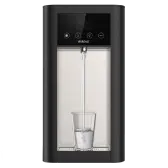
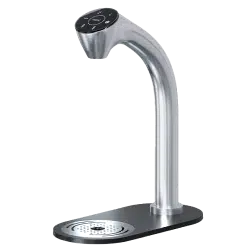
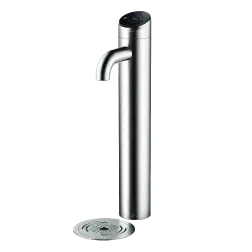
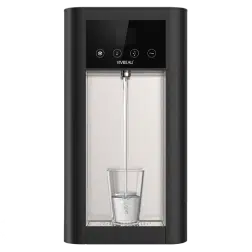
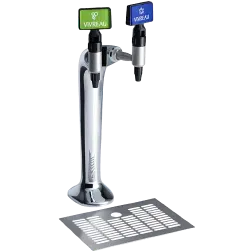
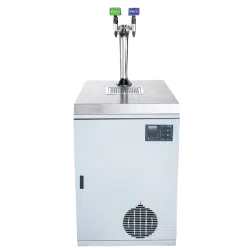
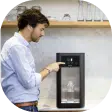
Connected smart water dispensers now offer real-time usage monitoring, filter health tracking, automated service alerts, and remote diagnostics. Vivreau’s latest smart water dispensers, including systems with ThermalGate and HygienePlus technologies, are built for environments where performance, hygiene, and reliable uptime are non-negotiable.
The next generation of workplace hydration technology will not sit outside building management systems. Facilities teams will expect dispenser data to feed into the same operational dashboards that track air quality and occupancy, because in a smart building, those decisions are inseparable.
How Will Sustainability Influence the Next Generation of Hydration Solutions?
Sustainability reporting has moved from voluntary to expected. ESG disclosures, LEED and WELL certification targets, and carbon reduction commitments are pushing organizations to find visible, measurable wins. Single-use plastic is one of the most exposed categories.
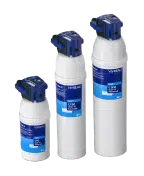
Vivreau’s plumbed-in microfiltered systems reduce CO2 emissions by 86% compared to pre-bottled water and eliminate approximately 1,115 pounds of plastic waste per unit per year. For sustainability leads working toward Net Zero targets or annual ESG reporting, understanding what makes the best water to drink at work goes beyond taste; it directly informs procurement decisions. The EPA’s guidance on reducing and reusing establishes source reduction as the priority, and on-demand filtered water systems deliver exactly that.
WELL certification includes explicit criteria for water quality and occupant health. LEED includes credits for water efficiency and conservation. As more organizations pursue these certifications, hydration infrastructure that can demonstrate plastic reduction and water quality standards will become part of the compliance conversation, not just a wellness amenity.
The Future of Workplace Hydration Starts With Today's Decisions
The organizations already ahead on workplace hydration solutions are not waiting. They are treating water access as infrastructure: the kind of decision that pays forward. The shift from bottled to plumbed, from passive dispenser to connected smart system, from utility to amenity: all of it is available right now.
Water access belongs on the same planning roadmap as lighting upgrades, air quality monitoring, and lobby redesigns. If your organization is ready to see what modern workplace hydration infrastructure looks like in practice, Vivreau can help you find the right fit.
Request a quote and speak directly with a Vivreau expert.
FAQs
-
What Technology Features Will Future Office Water Dispensers Include?
Future office water dispensers will go beyond basic dispensing to include real-time usage monitoring, filter health tracking, automated service alerts, and remote diagnostics. Integration with building management platforms will become a standard expectation as smart building infrastructure expands.
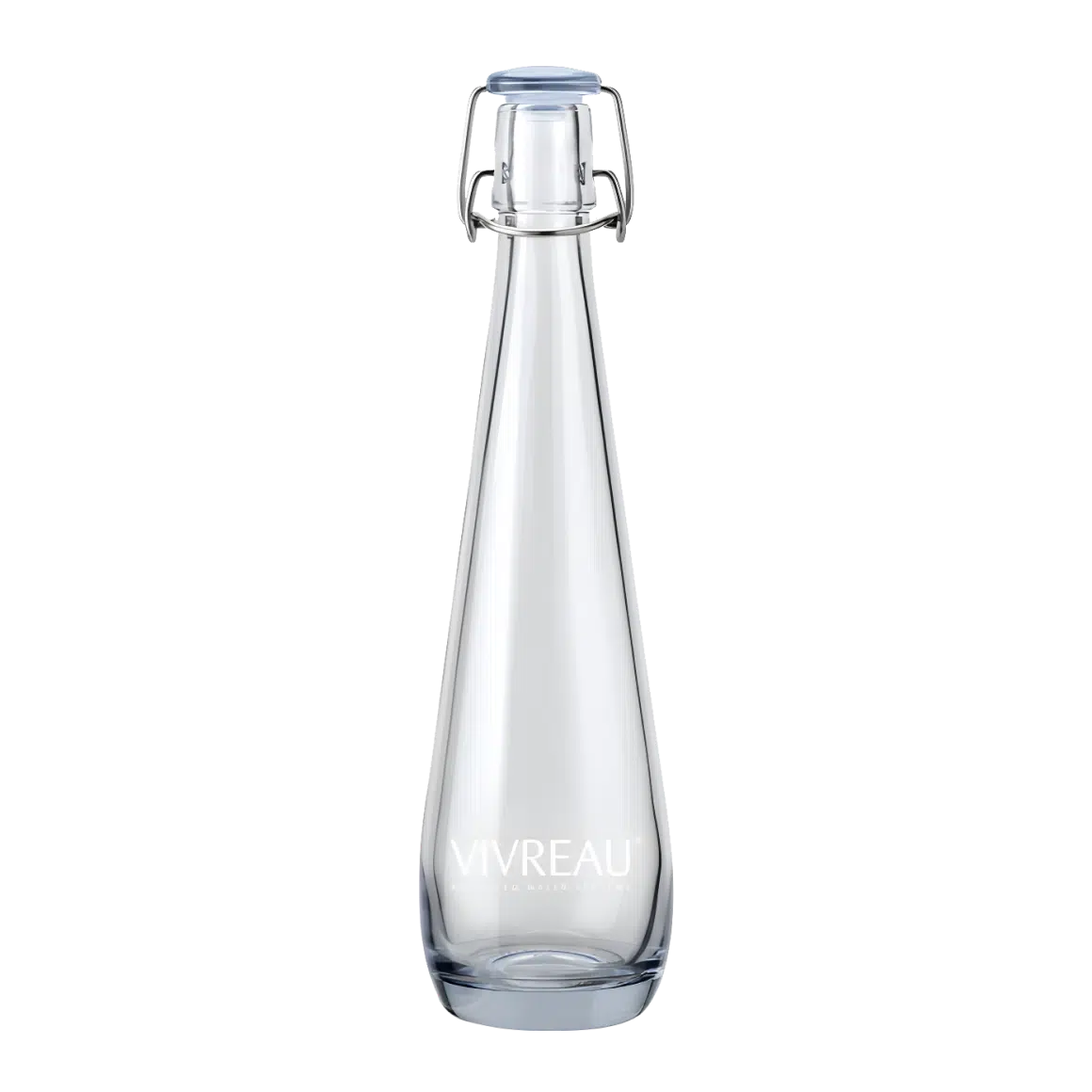
Features like touchless activation, multiple water types (still, sparkling, ambient, hot), and branded glass bottle options are already available in modern systems. Vivreau’s iQ Solution is an example of what connected, data-generating hydration infrastructure looks like today.
-
How Are Smart Buildings Changing Workplace Hydration?
Smart buildings are shifting toward occupant-centric design, where systems respond to how people actually use a space. Water dispensers are increasingly evaluated as connected infrastructure rather than standalone appliances.
As building management platforms expand to cover more amenity touchpoints, smart water dispensers will contribute usage data to facilities dashboards, giving teams real-time visibility into consumption patterns, service needs, and sustainability metrics alongside HVAC and occupancy data.
-
What Do Employees Expect From Workplace Hydration in 2026?
In 2026, employees expect convenience, quality, and choice. That means on-demand access to filtered still, sparkling, and hot water from systems that are well-placed, visually designed to match the space, and consistently maintained.
As hybrid work makes every in-office day a deliberate choice, the quality of workplace amenities, including water access, factors into whether the office feels worth the commute. Hydration is now firmly part of the employee well-being and water access conversation.
-
How Does Workplace Hydration Technology Support Sustainability Goals?
On-demand microfiltered water systems eliminate the need for bottled water delivery, cutting single-use plastic waste and transportation emissions in measurable ways.
Vivreau systems reduce CO2 emissions by 86% compared to pre-bottled water and eliminate approximately 1,115 pounds of plastic waste per unit per year. That provides sustainability leads with documented data for ESG reporting, LEED, and WELL certification, and for internal carbon reduction tracking, converting a basic amenity into a verifiable sustainability asset.
-
Why Is It Important for Companies to Invest in Modern Workplace Hydration Solutions?
Modern workplace hydration solutions address three business priorities at once: employee experience, operational efficiency, and sustainability performance. On-demand filtered water access supports well-being, reduces overhead from bottled delivery and storage logistics, and generates measurable environmental data.
For organizations making the case for return-to-office investment, improving wellness amenities, or reducing plastic waste, hydration infrastructure is a practical, visible improvement with returns that compound over time.


