










Key Takeaways
- Every plumbed dispenser, including countertop models, needs a potable cold water line that ends in an accessible shutoff valve.
- Sparkling systems add a CO2 supply and a stricter backflow rule under the plumbing code.
- Drain needs depend on the model, while power and cabinet ventilation follow each unit’s spec sheet.
- The biggest install delays come from water, power, drainage, or code requirements that surface late, so check the site before you order.
Water dispenser plumbing requirements tend to surface at the worst moment, after the unit is ordered and the installer is on site. A missing shutoff valve, an unvented cabinet, or an outlet across the room can delay the installation date.
Our team sees the same pattern in multi-building campus rollouts, where the biggest delays stem from water, power, drainage, or late-discovered code requirements. Each of those checks is routine once it’s on the plan, and most can be settled before anything ships.
We help with that part of the plan. Before a dispenser ships, our team confirms site readiness with you against the spec sheet for your model, so your plumber, electrician, and cabinet maker know what to prepare. Here is what that check covers, why the code asks for each item, and who usually handles it.
The Water Line Every Dispenser Needs
Every plumbed dispenser starts with a water line for the dispenser. Vivreau spec sheets call for a 1/2 inch potable cold water line that ends in a shutoff valve near the unit. That applies to countertop models too, because a countertop unit still draws from the building supply.
Many sites tie into an existing potable line near the unit, such as the line that supplies a nearby sink or coffee station. Your model’s spec sheet and our team can confirm how close the supply and valve need to be. The valve has to stay reachable after install. The plumbing code calls for a shutoff on the supply to each appliance and access to every shutoff valve.
Saddle-type fittings, which clamp onto a pipe and pierce it, are prohibited connections under the same code, so an older connection may need to be replaced. Building pressure matters too. Where static pressure inside the building runs above 80 psi, the code requires a pressure-reducing valve. Have your plumber confirm building pressure against the model’s spec sheet before installation.
Sparkling Systems Add CO2 and a Stricter Backflow Rule
Any dispenser connected to the potable supply needs protection against backflow, so water inside the unit can’t flow back into the building’s pipes. Still water and coffee equipment can use one of several approved backflow devices or an air gap.
Our systems include an ASSE 1022 check valve. If your local or state code requires additional backflow devices, the customer supplies them before installation.
Sparkling also needs a CO2 supply. We don’t provide CO2 tanks, but we can help you find a supplier in your area. Plan a spot for the CO2 cylinder, plus a CO2 line that ends at a shutoff valve within the distance specified in the spec sheet.
Drains Depend on the Model
Drain needs vary by model. Some units collect drips in a tray or a wastewater container that staff empty. Others send the drip tray to a plumbed drain. Where a drain is used, it typically connects to a properly trapped receptacle close to the unit, as the spec sheet describes.

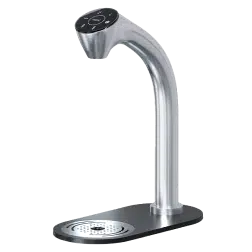
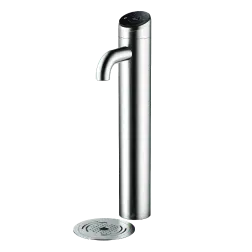
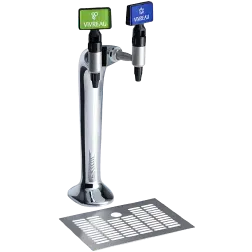
Extra C-tap
- Install style: Tap on the counter, system in a base cabinet
- Drain: Optional, using a wastewater connection or a container

Extra I-tap
- Install style: Tap on the counter, system in a base cabinet
- Drain: Optional, using a wastewater connection or a container

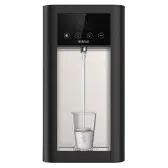
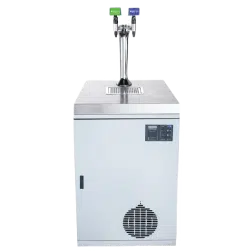
Top Pro
- Install style: Countertop or floor-standing
- Drain: Optional, using a wastewater connection or a container

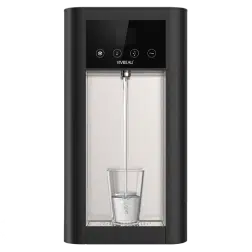
Nexo
- Install style: Countertop bottler
- Drain: Not required, with a removable drip tray

V3-205
- Install style: Bottler with the tap on the counter and the system in a base cabinet
- Drain: Required

High-volume bottling
- Install style: Stand-alone or under-counter bottler
- Drain: Required
Spec sheets in our Design Center list exact distances and cabinet sizes for each model.
Some codes treat drips from food and drink equipment as indirect waste, which discharges through an air gap or an air break. Your plumber and the local code official decide how that applies to a drip tray.
Power, Ventilation, and Cabinet Space
Our dispensers run on a standard 110-120V circuit rated at 20 amps. The spec sheets recommend a GFCI receptacle within a few feet of the unit. Where the 2023 National Electrical Code is adopted, it lists drinking water coolers among appliances that require GFCI protection. Your electrician and inspector confirm how that applies to your unit. Plan the outlet as part of the install rather than relying on an extension cord.
Integrated systems, such as the Extra C-Tap and Extra I-Tap, sit in a base cabinet under the tap. That cabinet needs airflow for the chiller. The spec sheets call for one vent opening near the base and another at the top, with the cabinet’s back panel removed.
The cabinet also has to fit the dispenser with room to work on it. The tap mounts on the counter above the chiller, and the connecting lines have a maximum length. Keep the cabinet accessible so technicians can reach the filter and the connections.
Placement and Undercounter Taps
A good location is indoors, level, and away from ovens, dishwashers, and other heat sources. Room temperature needs to stay within the range on the spec sheet because a hot back-of-house space makes the chiller work harder.
Undercounter taps work in commercial kitchens and pantries when the base cabinet can house the dispenser, vent it, and stay open for service. Confirm the cabinet size against the spec sheet before casework is built. Reach matters as well. Under the ADA guide to operable parts, controls should be located between 15 and 48 inches for unobstructed reach and one-handed operation. The maximum drops to 44 inches when someone reaches across a counter deeper than 20 inches.
Settle placement before millwork is locked. It is the decision teams most often want to change later, and the hardest one to change once cabinets and lines are in.
Who Handles What Before Install Day
Site preparation is the customer’s side of water dispenser installation requirements. Customers are responsible for plumbing, ventilation, and millwork. In practice, a licensed plumber runs the water line and any drain, and an electrician adds the outlet. A cabinet maker or GC handles vent openings and casework for integrated units.
In leased space, check whether the landlord or base-building team needs to approve a new tie-in. Permits follow local code, so confirm them early.
Our side is the site-readiness check and the install itself. Once each item is in place, Vivreau-certified technicians install and commission the dispenser.
Check the Site Before You Order
Water dispenser plumbing requirements are easiest to meet when they show up on the plan early. Each one is routine work for a plumber, an electrician, or a cabinet maker once it’s on the schedule. Checking the site before you order turns those requirements into planned tasks instead of surprises on install day.
With your site check in hand, request a quote to find the right Vivreau setup for your space.
FAQs
-
Does a Commercial Water Dispenser Need a Drain?
It depends on the model. Some dispensers collect drips in a tray or wastewater container that staff empty, so a plumbed drain is optional. Others, including some high-volume bottlers, send the drip tray to a drain. Check the model’s spec sheet and confirm with your plumber how local code treats the drip tray.
-
Can a Water Dispenser Connect to an Existing Water Line?
Yes. Meeting basic water dispenser plumbing requirements typically means tying into an existing potable cold-water line near the unit. The line ends in a shutoff valve that stays accessible after install. The connection should use approved fittings rather than a saddle valve, and the line needs proper backflow protection. Your plumber can confirm the line size and pressure.
-
What Electrical Does a Commercial Water Dispenser Need?
Our dispensers typically require a standard 110-120V outlet on a 20-amp circuit near the unit. A GFCI-protected outlet is recommended. Where the 2023 National Electrical Code is adopted, outlets supplying drinking water coolers require GFCI protection; confirm with your electrician. Plan the outlet during site prep instead of using an extension cord.
-
Do Sparkling Water Dispensers Need Backflow Prevention?
Yes. Sparkling units face a narrower rule than still water. The plumbing code accepts only an air gap or an ASSE 1022 device for them. Our systems include an ASSE 1022 check valve, but local code may require more, so confirm with your plumber.
Latest Posts


