










Key Takeaways
- Tighter 2026 overhead budgets favor office amenities that are useful, visible, and low-maintenance.
- Many offices still fall short on the everyday basics employees care about, such as quiet space, comfortable temperature, and good air quality.
- Novelty amenities can cost more to run than they justify, so name an owner and an upkeep plan before you buy one.
- Water on demand passes all three tests when it is plumbed in, monitored remotely, and covered by a service plan.
Modern office amenities in 2026 are being planned with a much closer eye on cost. Heading into 2026, 64% of surveyed CFOs planned to grow overhead budgets more slowly than revenue. Office amenities are usually paid for out of that overhead, so each one has to earn its place.
With overhead under closer review, the amenities worth funding are the ones people use on an ordinary workday and that your team can keep running without adding work. To find them, we use three tests. An amenity has to be useful, visible, and low-maintenance. Below, we explain each test and apply all three to the amenities modern offices are weighing in 2026.
Three Tests for Any Amenity on Your 2026 Shortlist
Most amenities pass one or two of these tests. The ones worth funding pass all three.

means the amenity solves a need people have on an ordinary workday. A quiet room for a client call is useful. A game room is useful only if people have time to use it.
means people know the amenity exists and can see it working. Employees should be able to find it without a tour. Visitors and meeting guests should notice it too, because it tells them something about the location’s standards.
means someone owns the amenity after launch. Its supplies, cleaning, and service are planned before it opens, and it continues to operate without a staff member checking on it several times a day. When you plan for upkeep before launch, you know what an amenity will cost to run in year two and beyond.
The Fundamentals Still Outperform the Showpieces
The amenities that make the biggest difference are often ones an office already has but does not run well. Across 15 organizations, employee satisfaction with high-impact features averaged just 48%. Quiet space and noise control were among the strongest drivers of a better workplace experience, yet only 35% of employees were satisfied with the variety of quiet spaces available to them. Temperature scored poorly, too.
Air quality follows the same pattern. About two-thirds of employees rate air quality as important, but only about half are satisfied with the air they work in.
Usage points the same way. In Boston office booking data, outdoor spaces were the second-most-reserved resource, while game rooms, gyms, and nap pods saw less use.
On a tighter budget, that directs spending toward improving what people already use every day rather than adding features they may not use. If your own employee survey flags noise or temperature, start there.
Modern Office Amenities That Pass All Three Tests
These four amenities meet all three tests when planned well. Each one meets a daily need, stays in view, and runs on a schedule owned by a named person.
Quiet Rooms and Focus Space
Focus rooms are the most direct fix for the low quiet-space scores above. People use them for calls, focused work, and short breaks from an open floor. A booking system or clear signage shows which rooms are free, which keeps them visible. Upkeep mostly comes down to cleaning, room technology, and keeping the room bookable.

Air Quality and Temperature Control
Everyone on the floor feels the air and temperature all day. For many tenants, improving their conditions starts with a conversation with the landlord or building engineer about zone controls and filter schedules. Sharing air quality readings with employees makes the work visible. Most of the ongoing costs are tied to maintenance agreements rather than to a new room.

Outdoor and Restorative Space
A terrace, courtyard, or planted break area gives people somewhere to reset between meetings. Booking data shows people reserve these spaces when they exist. Upkeep depends on the climate, and furniture, plants, and seasonal access each need an owner before the space opens.

Still, Sparkling, and Hot Water on Demand
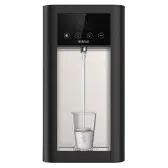
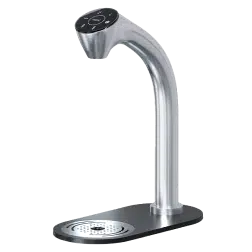
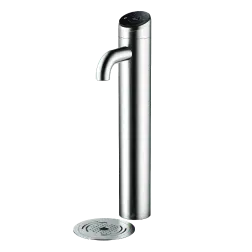
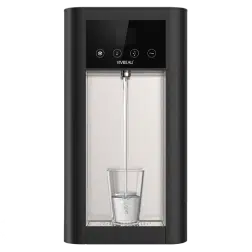
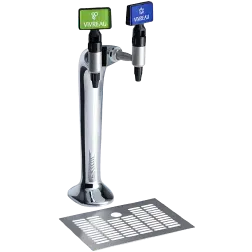
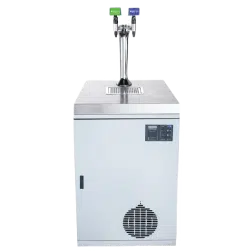
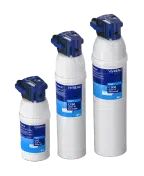
A single tap can cover cold drinks, sparkling water, and hot water for tea. It sits in a pantry or café where employees and guests see it in use. Plumbed-in office water dispensers also eliminate bottled water deliveries and the storage space they require. At Vivreau, our hot taps require two separate points of contact to dispense hot water, which helps prevent accidental burns.

Here is how the four compare with a typical novelty amenity:
| Amenity | Daily need it meets | How people see it | What keeps it running |
| Quiet rooms and focus space | Calls and focused work | Booking system or signage | Cleaning and room technology |
| Air quality and temperature control | Comfort at every desk | Shared air quality readings | Landlord or building engineer maintenance agreements |
| Outdoor and restorative space | Breaks between meetings | Bookable and easy to find | Seasonal care for furniture and plants |
| Still, sparkling, and hot water | Drinks throughout the day | In use in the pantry or café | Filter changes, service plan, remote monitoring |
| Novelty amenity, such as a nap pod or game room | Less frequent use | Featured in building marketing | Supplies, staffing, or specialist service |
Where Novelty Amenities Lose Their Value
Nap pods, game rooms, and specialty wellness rooms can work well in a flagship building when supported by a dedicated operations team. The problem starts when an amenity costs more to run than its use justifies.
Each novelty requires supplies, cleaning, staffing, or specialized services. Those costs continue whether people use the amenity or not. That is why the lighter booking data for game rooms and nap pods matters. An amenity that sits empty still draws on the overhead budget every month.
Before you fund a novelty amenity, ask three questions.
- Who owns it after launch?
- What does it use up each week or month?
- What happens on the day it breaks?
Count the Cost of Keeping an Amenity Running
Water is a clear example of the low-maintenance test because the costs of a bottled water program are easy to overlook. When we walk prospects through a full comparison, the costs they overlook are usually operational. Someone has to manage deliveries and store heavy bottles. Replacements need to be coordinated, inventory needs to be tracked, and empty bottles need to be returned.
Over time, that labor, storage space, and admin effort can make up a significant share of what a bottled program costs. A full water dispenser ROI case counts staff time and storage alongside the invoice.
For organizations running many units in busy spaces, uptime depends on responsive service coverage and timely filter replacements. It also depends on spotting problems before users notice them. Our iQ Solution monitors dispensers remotely and handles many fixes without a site visit. We report a 25% reduction in downtime waiting for technician visits.
Both our integrated and countertop units require a water line, so check plumbing access before you choose a location.
Build an Amenity Plan That Holds Up After Move-In
Overhead budgets are under closer review in 2026. The office amenities worth funding are the ones people use on an ordinary workday, can find without a tour, and that someone owns after launch. Start with the basics that many offices still fall short on, such as quiet space, temperature, and air quality. Then judge every new idea, from a nap pod to a water program, by what it will take to keep running in year two.
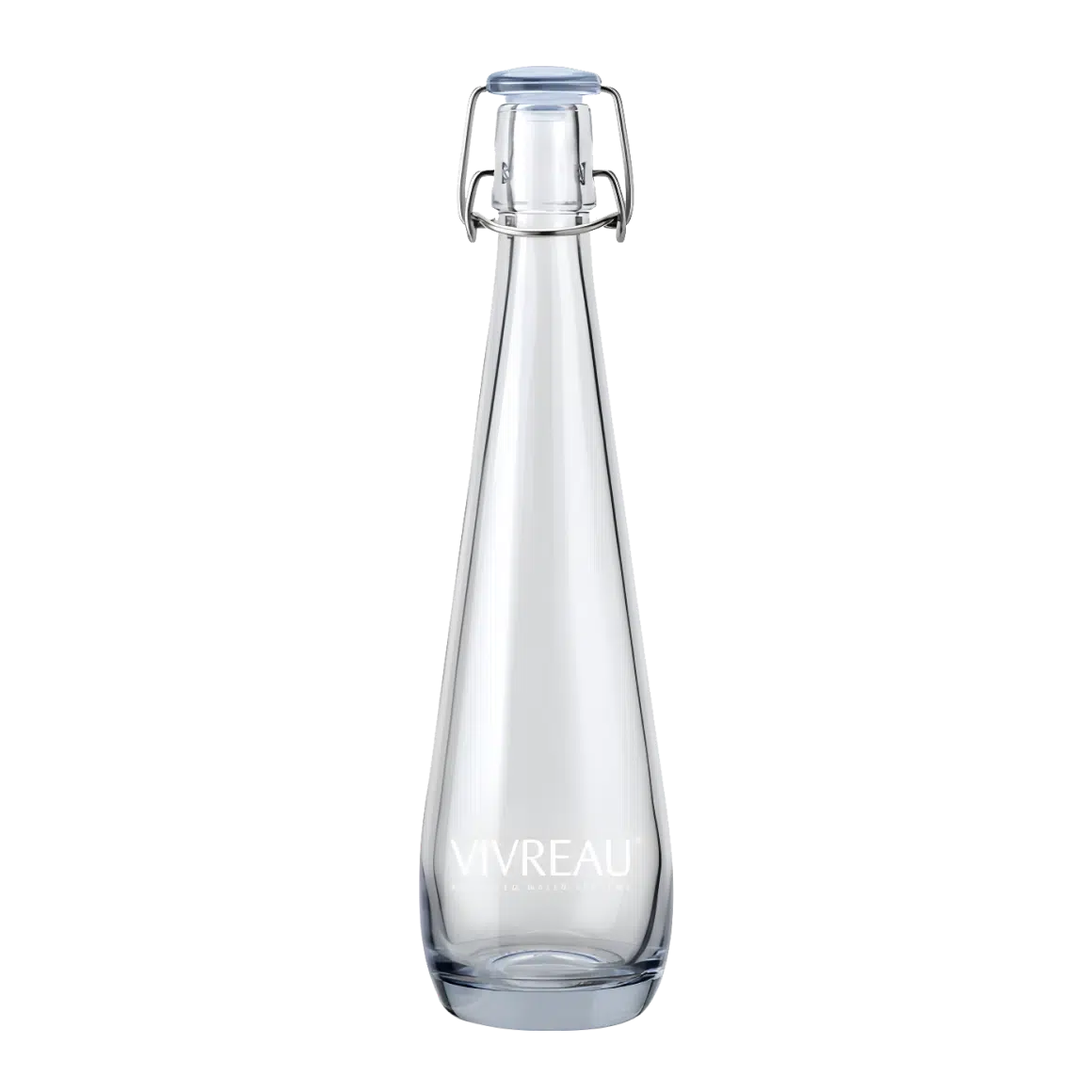
The Ford Foundation made its water program part of the plan for returning to its renewed New York headquarters. Employees have still and sparkling water in the pantries, visitors find it in the welcome lounge, and catering serves it in reusable glass bottles. As the foundation’s Senior Manager of Hospitality Services put it, “It may seem like a small thing, but people notice those details.”
If water is on your shortlist, request a quote to design a premium hydration experience for your workplace or guests.
FAQs
-
What Are the Most Important Modern Office Amenities in 2026?
The most important modern office amenities in 2026 are the ones people use on an ordinary workday. Quiet rooms, comfortable temperature, good air quality, and outdoor space all fit that description. We would add on-demand water to that list. In Cushman & Wakefield’s 2025 employee experience data report, quiet space and noise control ranked among the strongest drivers of a better workplace experience. Satisfaction with both remains low.
-
What Are the Amenities Employees Want Most at Work?
The amenities employees want most support everyday comfort and focus, such as quiet space, noise control, comfortable temperature, and good air quality. Booking data from Boston offices showed outdoor spaces among the most reserved resources. Game rooms, gyms, and nap pods saw fewer bookings in the same data.
-
How Do You Know if an Office Amenity Is Worth the Cost?
Run three tests before you fund it. First, ask whether it solves a need people have on an ordinary workday. Second, ask whether employees and visitors can find it and see it working. Third, ask who owns its supplies, cleaning, and service after launch. An amenity that fails the third test can continue to cost money even after people stop using it.
-
What Should You Look for in an Office Water Dispenser?
Look for the water types your team uses, such as still, sparkling, and hot, from a plumbed-in system that removes bottle deliveries and storage. Check how often filters are changed and who changes them. Ask whether the dispenser can be monitored remotely, since remote diagnostics reduce downtime. Confirm water line access before you choose a model, because both our integrated and countertop units require one.
Latest Posts


