








TL;DR
- Employee experience is shaped less by headline perks and more by the small parts of the workday people repeat without thinking.
- Water is the most repeated of those moments, which is why its taste, quality, and accessibility quietly move how a workplace feels.
- The amenities worth investing in are the ones people would miss immediately, not the ones that photograph well for a job posting.
- Getting the water touchpoint right is a low-cost, high-frequency upgrade that supports wellbeing, retention, and sustainability goals simultaneously.
A workplace can pour money into perks and still feel flat to its people. That gap shows up in the numbers. Employee engagement in the United States fell to a 10-year low in 2024, with only 31% of workers engaged, according to Gallup’s latest engagement report.
For anyone shaping the physical workplace, that finding reframes what employee experience really rests on. It is not built during the occasional event. It is built in the ordinary moments people move through every day, and the amenities they reach for most often carry the most weight.
Employee experience is the sum of everything a person encounters at work, and the parts that matter most are the ones they touch many times a day rather than once a quarter. How people get water, coffee, and a comfortable place to focus shapes the felt quality of a workplace far more than occasional perks do. Water is the most frequent of these touchpoints, so its taste, quality, and accessibility quietly influence how the whole space feels.
When you are ready to upgrade that daily touchpoint, get a quote to bring still, sparkling, and hot water to your team.
Where Employee Experience Actually Comes From
Most workplace investment still flows toward things people notice once and then forget. A launch party, a branded hoodie, an annual offsite. These moments create a spike of goodwill that lasts for very little, because they sit outside the actual rhythm of a working day.
What lasts is the accumulated feel of the ordinary. Whether the coffee is any good. Whether the chair holds up over a six-hour stretch of focus. Whether the water tastes clean when someone fills a glass between calls.
Gallup measures engagement through 12 conditions people experience at work, a reminder that the felt reality of a job is assembled from repeated daily inputs, not from a single memorable afternoon. When those inputs are consistently good, people stop noticing them and simply feel at ease. When they are unreliable, the same frequency turns small irritations into a steady drain on morale.
That is why the physical workplace deserves the same attention as policy and culture. The space is where care becomes visible. A room that genuinely works for the people in it communicates respect more than a values statement ever will.
The Amenities People Reach For Most
Not every amenity earns its keep. The ones worth the investment share a trait. People use them constantly and would feel their absence right away.
Hydration sits near the top of that list, alongside quality coffee and clean, comfortable shared spaces. These are the touchpoints a person returns to across a full day without planning to, which is exactly what makes them powerful.
When organizations weigh office water dispensers and other daily basics as office amenities for employee retention, the instinct is often to reach for something impressive.

The better filter is frequency. An amenity used dozens of times a day shapes far more of a person’s experience than one they encounter twice a year.
Design thinking has landed in the same place. Many amenity-rich workplace design trends now center on the daily basics done exceptionally well rather than novelty features, because that is what people keep responding to once the shine of any perk wears off.
Why Hydration Carries More Weight Than Its Size Suggests
Water is easy to overlook precisely because it is everywhere. Nearly everyone drinks it throughout the day, so the quality of that experience adds up quietly across a workforce. Still, sparkling, and hot options turn a basic necessity into something people look forward to, and that shift is what separates a real amenity from a piece of plumbing.
Access matters as much as quality. Good-tasting, easy-to-reach water encourages people to drink more, supporting healthy office hydration habits without anyone having to think about it. The reverse is also true. A dispenser tucked in a far corner, or one serving cloudy, off-tasting water, sends its own quiet message.
The stakes are not only about comfort. The Occupational Safety and Health Administration (OSHA) requires employers to provide potable drinking water in all places of employment under its sanitation standards, which treat water access as basic workplace infrastructure rather than an optional extra.
The wellbeing case is measurable too. In a study published in the British Journal of Nutrition, attention and concentration were measurably impaired at around 1.5 percent body mass loss, a level of mild dehydration that a person can reach over a normal workday.
That research is a reasonable argument for treating employee wellbeing and water access as connected rather than separate concerns. For teams comparing workplace hydration solutions, taste and reach are not luxuries. They decide whether the amenity gets used at all.
Designing Water Into the Space, Not Around It
Placement decides whether an amenity feels intentional or improvised. Water stations do their best work when they sit where people already gather and move, not wherever a plumbing line happens to be convenient.
Designing offices with wellness amenities means treating hydration as part of the architecture rather than an afterthought parked near the restrooms. A dispenser that matches the finish of a kitchen or lounge reads as considered.

One that clashes with the space reads as a utility nobody planned for. The same principle holds in shared, flexible environments, where premium amenities for coworking spaces increasingly include design-forward commercial water dispensers because members notice and remember them.
Distribution matters as well. Spreading access points across floors and zones keeps people from having to cross the building for a refill and prevents crowding at a single station during busy stretches.
An Amenity People Use All Day Cannot Be Allowed to Fail
The flip side of high frequency is high exposure. Something people rely on many times a day cannot go offline without the disruption being felt right away.
That is why reliability belongs in the same conversation as taste and design. Connected dispensers with the Vivreau iQ Solution enable proactive monitoring and remote diagnosis, so service can happen before a minor issue becomes a dry tap during a busy morning. Hygiene follows the same logic.
Because these stations are shared surfaces in constant use, features like ThermalGate, which regularly heats the tap to keep it sanitary, protect the experience over the long run. When an everyday touchpoint keeps working without anyone thinking about it, that steadiness becomes part of what makes the space feel dependable.
Small Footprint, Outsized Return
Few workplace upgrades pair such a modest cost with such a high rate of use. A single water station serves a whole floor, all day, for years, which changes how its value should be measured.
The supporting benefits stack up quietly. Moving away from bottled water removes the labor of ordering, storing, and hauling deliveries, and it trims the recurring spend that comes with a standing water program.
Those water program savings also make the sustainability story easy to communicate to employees who care where their workplace stands. None of that is the headline reason to invest. The headline reason is that people use it constantly and feel the difference when it is good.
The payoff is easiest to see in a real rollout. When the Vancouver Whitecaps FC brought Vivreau into their downtown offices, the aim was practical. They wanted to give front-office staff better hydration while meeting the club’s new sustainability mandates.
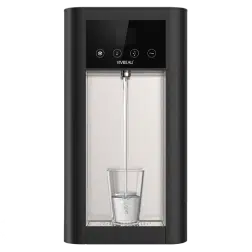
Staff at the Vancouver Whitecaps offices moved away from single-use plastic bottles, and the Extra I-Tap dispensers proved simple to install and to teach people to use, so the upgrade did not create ongoing work for the operations team. As Michael Lummack, Director of Corporate Partnerships at the club, described the outcome, “Our front-office staff have been thrilled to have access to sparkling and still water while they work.”
That is the return. A modest, low-friction change that staff notice every day and that advances a goal the organization already holds.
How Vivreau Supports the Water Touchpoint
Employee experience is not built in the big moments. It is built in the small ones that people repeat all day. Water is the most frequent of those, so getting it right returns more than its modest cost suggests. Good taste, easy access, and steady reliability are what turn a daily necessity into an amenity people actually feel.
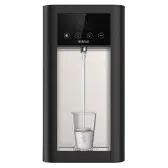
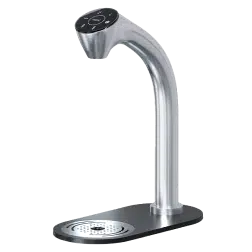
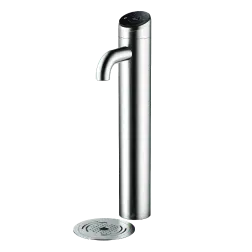
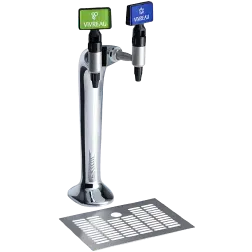
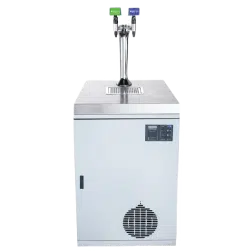
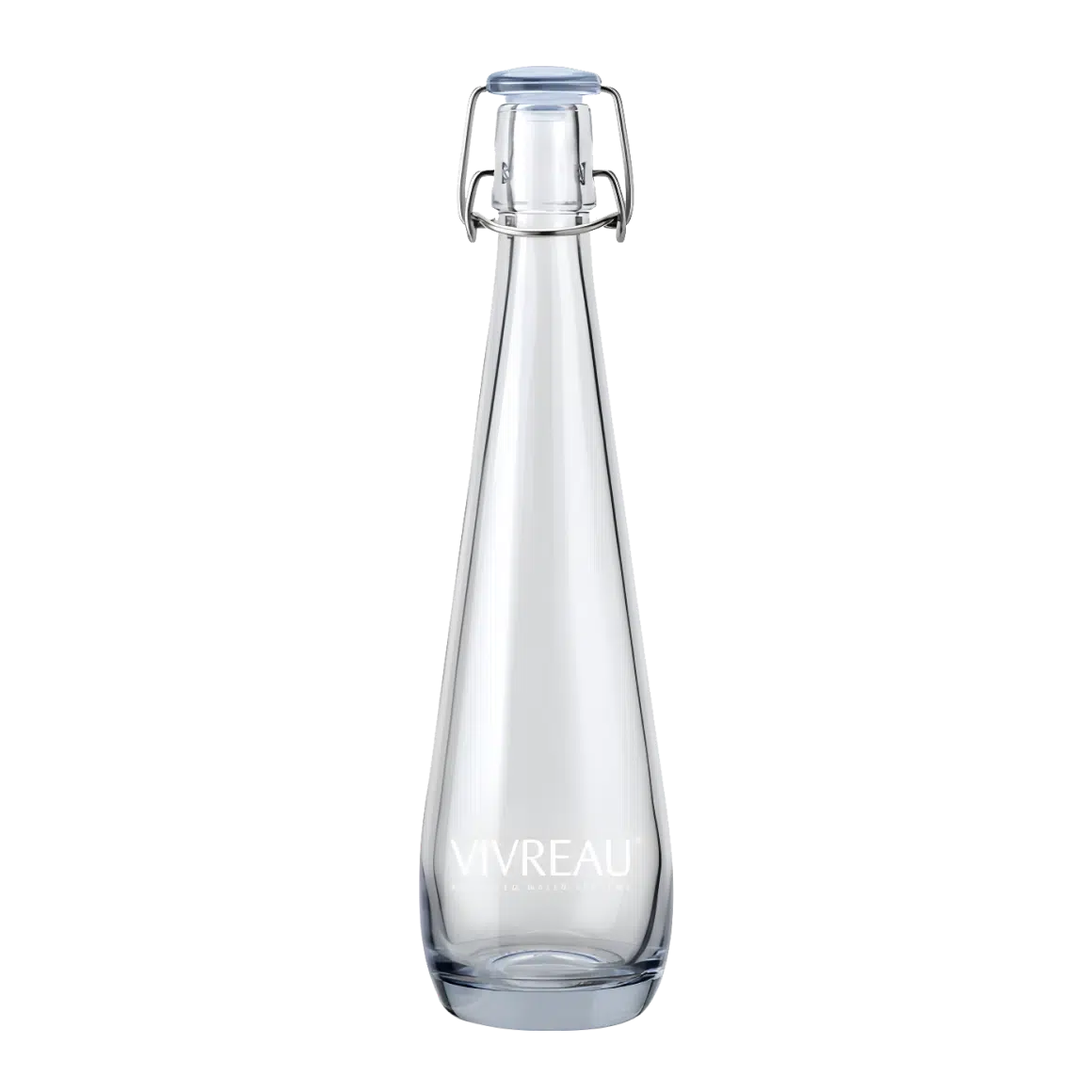
That is where Vivreau fits. Vivreau still, sparkling, and hot water systems make the most-used touchpoint feel considered, and connected service keeps it running without adding work for your team. The people and the space stay the focus. The water just works.
When you are ready to upgrade the everyday water experience, request a quote for your workplace.
FAQs
-
What Everyday Amenities Have the Biggest Impact on Employee Experience?
The amenities with the largest impact are the ones people use many times a day, not the ones that photograph well for a careers page. Quality hydration, good coffee, comfortable shared spaces, and reliable technology shape how a workday actually feels because people interact with them constantly.
Small improvements to these add up across a whole team in a way an occasional perk never matches. A useful way to prioritize is to rank amenities by how often people interact with them, then invest first in the high-frequency ones that are currently mediocre. That is usually where the fastest and most noticeable gains in daily experience come from.
-
Why Do the Most-Used Amenities Matter More Than One-Off Perks?
Frequency is what turns an amenity into part of the experience. A perk used once a quarter creates a brief impression and then fades from daily life, so its effect on how people feel at work stays limited. Something used dozens of times a day becomes woven into the rhythm of work, which means its quality registers again and again.
That repetition is why a good water station, a comfortable chair, or dependable coffee moves satisfaction more than a single memorable event. It also cuts both ways, since a high-use amenity that works poorly turns into a recurring frustration rather than a one-time disappointment.
-
How Does Workplace Hydration Affect the Employee Experience?
Hydration affects both how people feel and how a workplace is perceived. Easy access to good-tasting water encourages people to drink more throughout the day, and research links even mild dehydration to reduced concentration and lower mood.
Beyond the physical benefit, a well-chosen water station shows that an organization cares about daily comfort, while a poor or hard-to-reach water station sends the opposite message repeatedly. Offering still, sparkling, and hot options also gives people a choice, which makes hydration feel like a genuine amenity rather than a basic utility. Because nearly everyone uses it, the quality of that experience reaches the entire workforce.
-
What Makes a Water Setup Feel Like a Premium Amenity Rather Than a Utility?
Three things move a water setup from utility to amenity. Taste comes first, since micro-filtered still, sparkling, and hot options feel like a real upgrade over ordinary tap or bottled water. Design comes second, because a station that matches the finish of the space reads as intentional rather than an afterthought.
Placement comes third, since water that is easy to reach, where people already gather, is used and appreciated rather than ignored. Reliability ties them together, because a premium amenity that is frequently out of service quickly stops feeling premium. Getting all four right is what creates a difference people actually notice.
It is also worth noting for facility planning that all Vivreau units are plumbed-in systems, meaning they require a dedicated water line to provide a continuous, high-capacity supply without the need for manual refills.
-
How Do You Keep High-Use Amenities Reliable Enough to Protect the Experience?
Reliability comes from proactive service rather than waiting for something to break. Connected systems like the Vivreau iQ Solution monitor performance and flag issues remotely, so problems can be addressed before users ever notice a disruption. Hygiene features, such as ThermalGate, keep shared taps sanitary through daily use.
Pairing the right equipment with a service agreement means filter changes and maintenance happen on schedule rather than after a complaint. For an amenity people depend on many times a day, that dependability is the entire point, because the experience only holds up if the system behind it consistently does too.
Latest Posts


