










TL;DR
A filtered water dispenser for office spaces should improve employee experience, fit the workplace, and make daily operations easier.
- Modern offices expect hydration to support wellness, sustainability, and a better overall workplace experience.
- A filtered water dispenser for office use should do more than provide cold water by reducing reliance on bottled water and manual refills.
- Buyers are looking for a solution that improves the space while reducing operational friction.
An effective office water dispenser now has to do more than pour cold water on demand. It needs to fit the space, taste great, reduce day-to-day friction, and stay running with minimal intervention from facilities teams.
The old model of workplace hydration was simple: make water available and move on. That is no longer enough. In a workplace shaped by experience, retention, and return-to-office strategy, hydration is one of the everyday details people actually notice.
That is why the conversation around dispensers has shifted. Buyers are no longer choosing between basic access and no access. They are choosing whether their hydration setup feels intentional, whether it supports the design of the space, and whether it reduces the hidden labor that comes with bottled water, manual refills, and inconsistent service.
Employee Experience and Workplace Design Drive Hydration Choices
The most important shift is not technical. It is cultural. Workplace leaders are being asked to create offices that make the commute worthwhile, reinforce company values, and make daily routines feel smoother. Hydration now sits inside that broader experience.
That lines up with what the market is already showing. Gensler’s 2024 Global Workplace Survey and IFMA’s coverage of its 2024 benchmark reporting both reflect a workplace strategy centered on flexibility, experience, and better-performing spaces, not just square footage and furniture.
In practice, that means water is no longer something people expect to find hidden in a utility corner. A visible office water station in a lobby, pantry, boardroom, or lounge signals care, convenience, and attention to detail. When the water tastes good, the refill point looks like it belongs in the space, and reusable bottles are part of the routine, the amenity feels deliberate rather than bare-minimum.
The same shift explains why workplace hydration solutions are increasingly tied to wellness and building standards. The WELL Building Standard centers health and occupant experience, and LEED v5 continues to frame buildings around resilience, people, and sustainability. Even OSHA guidance emphasizes accessible, visible cool water as a practical workplace priority. Put together, those signals move hydration from utility status to people-first infrastructure.
That is also why employee expectations have changed so much in the last five to ten years. People now expect high-quality, well-maintained hydration that supports wellness and sustainability, not just water that happens to be available. Once water becomes part of the employee experience, it begins to influence how the entire space is perceived.

What Makes a Filtered Office Water Dispenser Premium?
A premium setup is not defined by price tag alone. It is defined by how consistently it improves the experience of using the space. That starts with water quality and continues through design, convenience, serviceability, and the realism of installation.
First, taste matters more than many procurement teams expect. A premium office water dispenser should deliver microfiltered still, sparkling, and hot water on demand. That removes the small frictions people feel throughout the day: waiting on kettles, settling for lukewarm water, or bypassing the amenity because it does not feel appealing.
Strong office water filtration also supports the perceived quality of coffee, tea, and everyday drinking water, which makes the dispenser part of the broader hospitality of the office.
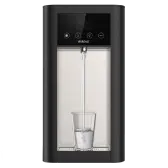
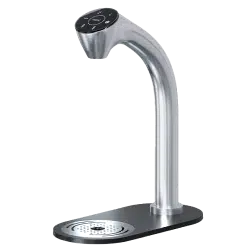
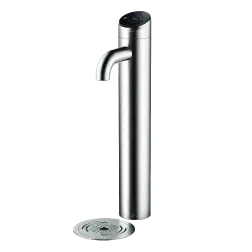
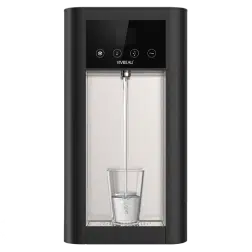
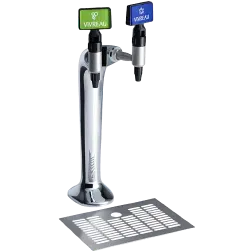
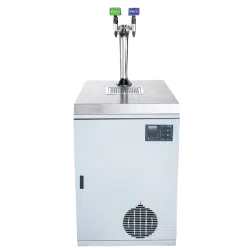
Second, premium means the format fits the room instead of fighting it. A commercial water dispenser in a modern office should feel integrated into the architecture. That might mean a sleek tap in a client-facing pantry or a countertop water dispenser in spaces with limited counter space or plumbing access.
Third, premium has to survive real operations. A sparkling water dispenser that looks beautiful but fails during peak use is not premium for very long. That is where connected serviceability becomes part of the product, not an afterthought. Vivreau’s smart dispensers feature proactive monitoring, remote repair, and faster diagnosis as ways to reduce downtime. This means service moves from reactive to proactive, issues can often be resolved before users notice them, and your team spends less time coordinating emergency fixes.
Lastly, installation still needs a real site review. Water line access, power, drainage requirements, counter space, and traffic patterns all affect the right setup.
The good news is that premium does not have to mean disruptive, but it does mean planning honestly. Upfront realism protects the experience later, which is the point of choosing a premium system in the first place.
Operational Efficiency and Sustainability Advantages
Once workplace leaders move past the assumption that hydration is a minor line item, they often find a surprising amount of labor, storage, and inconsistency hiding inside the old model.
Bottled water programs create ongoing tasks that may seem minor on paper but add up quickly in daily operations. Deliveries need to be received, stock needs to be stored, refrigerators and shelves get crowded, empties have to be handled, and someone always ends up noticing the problem when supplies run low.
Replacing that with on-demand dispensing changes the daily workload, not just the beverage format.
The sustainability upside becomes more credible when it is measurable. Replacing bottled water programs with on-demand dispensing can significantly reduce transportation and packaging waste. For example, Vivreau systems can produce 86% less CO2 emissions than single-use plastic bottles and 64% less than traditional water coolers.
Results like these help organizations move beyond broad sustainability intentions and demonstrate concrete progress in environmental reporting and ESG programs.
Reliability has an efficiency story too. Connected dispensers can report system status continuously, which allows remote diagnostics to resolve some issues before they escalate. Service visits can also be planned around actual usage rather than unexpected failures. The result is less administrative burden for facilities teams and fewer situations where employees walk up to an out-of-service unit in the middle of a busy day.
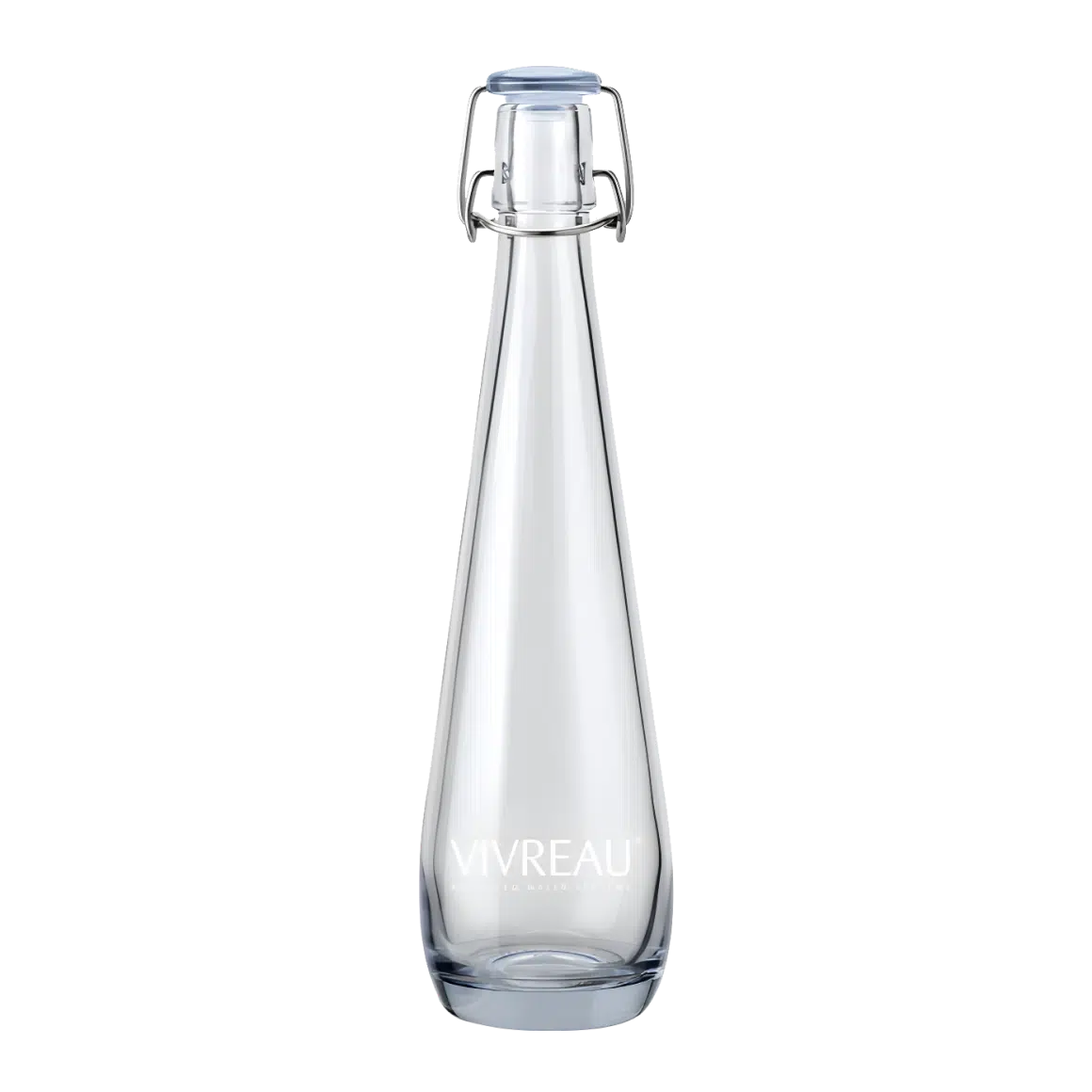
Operations teams also value what happens after installation. Reordering filters, bottles, or flavor components should not feel disconnected from the hydration program itself. For ongoing replenishment, online ordering creates another layer of operational consistency once the system is in place. When the setup is doing its job, hydration feels simple to the end user and lighter to the team behind the scenes.
When Hydration Starts Pulling Its Weight
The best workplace amenities do two jobs at once. They improve what people experience every day, and they make operations simpler behind the scenes. That is why hydration has become a more strategic choice than it used to be, especially in offices that care about design, retention, reliability, and measurable impact.
When your space is ready for a setup that feels intentional from the first refill to the thousandth, shop for commercial water dispensers online and compare your options.
If you are not sure what you need or have specific requirements, talk to our team to get a custom quote for your space.
FAQs
Organizations evaluating a filtered office water dispenser often have similar practical questions about experience, operations, and sustainability. Here are a few of the most common.
-
What Is the Benefit of Installing a Filtered Office Water Dispenser?
The biggest benefit of a filtered office water dispenser is that it improves the daily experience while reducing the hidden burden of bottled water logistics. You get better access to still, sparkling, or hot water, a more polished employee-facing amenity, and less time spent on deliveries, storage, refills, and waste handling.
-
How Does a Premium Office Water Dispenser Differ From Standard Models?
A premium system goes beyond basic dispensing. It typically offers better-tasting filtered water, more water types on demand, stronger design integration, reusable bottle programs, and connected serviceability that helps reduce downtime. That is the difference between a dispenser that simply exists in the office and one that actively supports the workplace experience.
-
Can Filtered Water Dispensers for Offices Support Sustainability Goals?
Yes, especially when the program is built around refill behavior and reduced reliance on bottled water. Reusable bottles, lower transport burden, and measurable waste and CO2 reductions give organizations a more credible sustainability story than disposable supply chains can offer on their own.


