









TL;DR
- A campus sustainability water system replaces bottled water and aging fountains with microfiltered still, sparkling, and hot water delivered through dispensers, taps, and on-site bottling across many buildings.
- The operational case usually comes first, with lower delivery, storage, and labor costs, and reliable uptime, and sustainability is the reportable payoff.
- Impact metrics map to the AASHE STARS Single-Use Plastic Ban credit and support LEED and WELL sustainability reporting, providing facilities and sustainability teams with numbers they can include in reports.
- Vivreau matches configurations to each building type and services the program end-to-end across the US and Canada.
Walk a large campus early in the day, and you can watch the old water program in motion. You pass pallets of bottled water stacked on a loading dock, a facilities crew hauling five-gallon jugs up a service elevator, and an aging fountain outside a lecture hall that most students walk right past. Multiply that across dozens of buildings and thousands of people, and a bottled water habit becomes one of the steadier drains on a campus budget and a facilities team’s time.
Campus sustainability water systems replace that whole operation with microfiltered still, sparkling, and hot water on demand at every point where people actually gather. The switch tends to clear its own cost hurdle first, because the savings from deliveries, storage, and labor show up long before sustainability reporting. Getting there without cost, plumbing, or uptime surprises is the hard part, and Vivreau handles it for campuses across the US and Canada.
A campus sustainability water system replaces bottled water and aging drinking fountains with microfiltered still, sparkling, and hot water on demand, delivered through dispensers, taps, and on-site bottling built for multi-building campuses. For universities and other large institutional campuses, the right program lowers the cost and labor of a bottled water operation, cuts single-use plastic, and gives facilities and sustainability teams a measurable impact to report.
Request a quote to design a hydration program for your campus.
What a Campus Sustainability Water System Includes
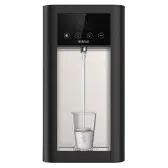
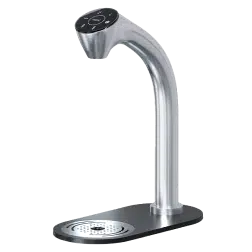
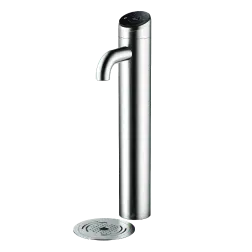
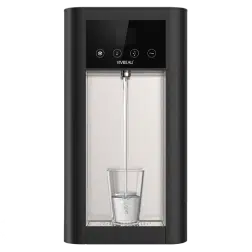
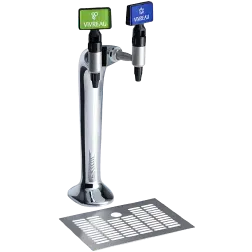
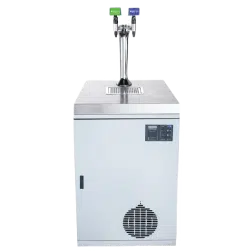
A campus sustainability water system is a coordinated program of microfiltered water points, not a single machine dropped into a lobby. It delivers still, sparkling, and hot water on demand through dispensers and taps, in both countertop and integrated configurations, so the same high-quality water is available in a dining hall, a dorm common room, a student union, an athletic facility, or a lecture building. Professional-grade filtration sits behind every point, making the water taste like an upgrade rather than a compromise for students, staff, and guests.
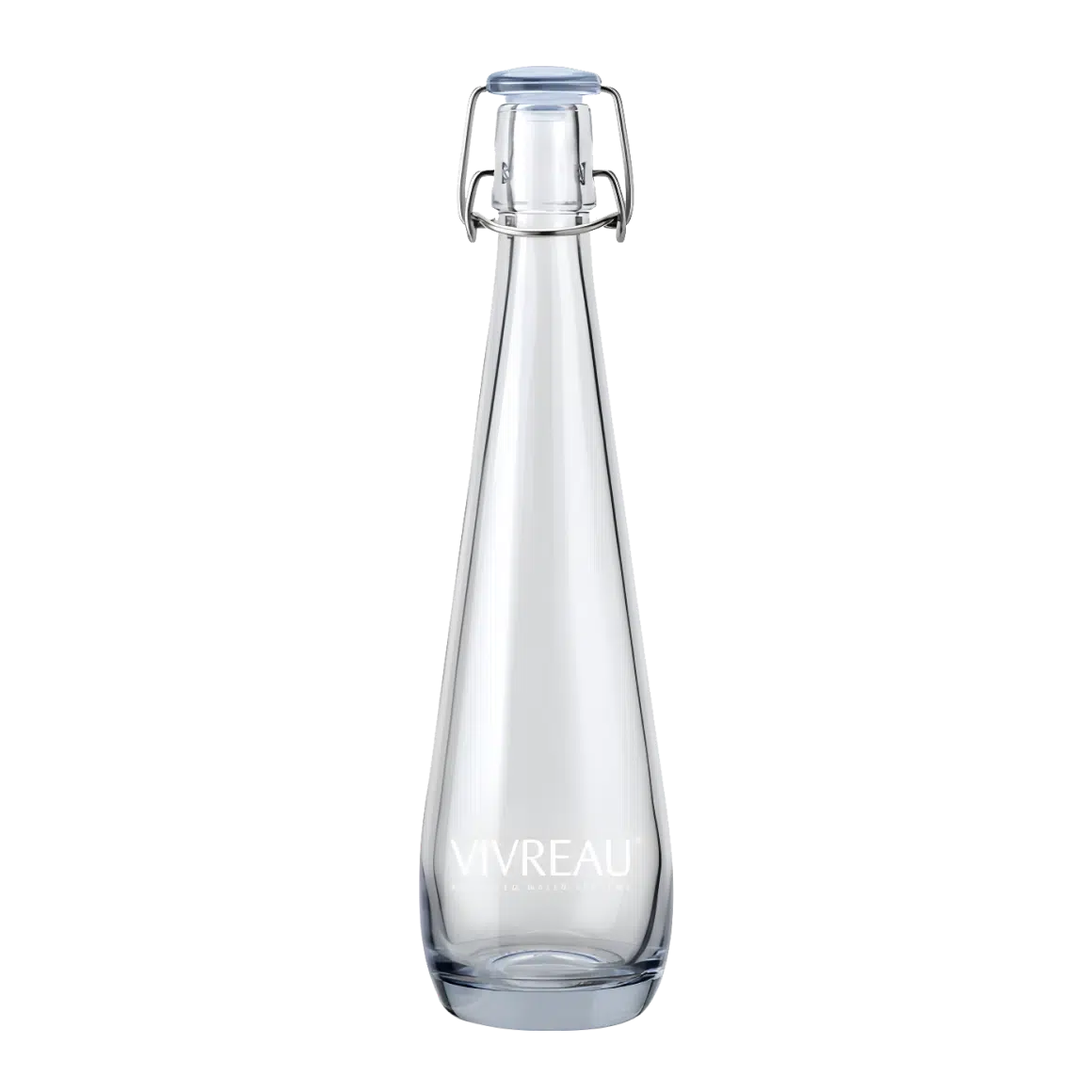
The program also covers the high-traffic reality of a campus. Bottle refill stations handle busy corridors and entrances where students move between classes, and on-site bottling supports dining- and hospitality-style venues that serve water in high volume. Co-branded reusable glass bottle programs are ideal for catering, faculty dinners, and campus events where presentation matters.
Well-placed university water dispenser systems and college campus hydration stations turn scattered, aging fountains into a consistent experience that people actually choose over a plastic bottle.
Why Bottled Water Does Not Scale Across a Campus
The cost of bottled water is easy to underestimate because the invoice for the water itself is only part of it. Buyers running their own comparison routinely overlook the delivery fees, storage space, refrigeration, waste handling, and staff time spent managing inventory and refills, along with the operational drag of keeping many separate stations stocked across a facility.
Multiply those hidden line items across dozens of buildings, and the program becomes one of the larger recurring operating burdens a facilities team carries.
A plumbed water program removes most of that complexity. It eliminates deliveries, jug lifting, refrigeration, and disposal, and replaces them with filtered water already available at the point of use. The savings are large enough to lead with.
Vivreau reports that switching can reduce the cost of your water program by 86%, deliver average annual savings of over $42,000, and eliminate 60,000 truck deliveries per year with a high-volume bottling system. For a full picture of where those savings come from, Vivreau’s cost savings breakdown walks through the numbers. Positioned this way, bottled water alternatives for universities become operational decisions with a clear return on investment.
Reliability and Uptime Across Many Buildings
Uptime is the differentiator institutional buyers care about most, because scale changes the stakes. One failed unit in a single office is an inconvenience. One failed unit in a residence hall or a health sciences building means an entire building loses service until a technician arrives. That is why connected serviceability matters more on a campus than anywhere else.
Vivreau’s connected iQ Solution supports predictive maintenance of water systems through continuous remote monitoring, real-time alerts, faster diagnosis, and, where possible, remote fixes. This allows technician visits to be better prepared and less frequent. The goal is to catch a developing problem before it becomes a building outage.

Hygiene is built into the same standard. ThermalGate automatically and regularly heats the tap to disinfect it, and Vivreau Professional filtration protects water quality at every point, which matches the higher bar that healthcare and residential campus buildings are held to.
Campus Sustainability Impact You Can Report
Sustainability is rarely the reason a campus starts this process, but it is the payoff that ends up in the annual report. The advantage of a water program is that the numbers are concrete. Every Vivreau dispenser delivers an 86% reduction in CO2 compared to pre-bottled water on average, removes 1,115 pounds of waste per year, and, through the 4ocean partnership, funds the removal of 5 lbs of plastic per dispenser sold, the equivalent of 144 plastic bottles. Vivreau’s broader impact on plastic reduction shows how those figures add up across a program.

Those metrics map cleanly to the frameworks campuses already report against. The AASHE STARS rating system includes a dedicated Water Use credit and recognizes bottled water reduction through its Single-Use Plastic Ban credit, which is the most direct fit for a campus cutting single-use plastic. The results are achievable at scale.
A Humber College report documents well over 6 million single-use plastic water bottles eliminated since 2014 through campus refill stations, and York University ended the sale of single-use bottled water while adding refill stations and retrofitting more than 200 fountains across two campuses.
Because rankings such as the Times Higher Education Impact Rankings score universities on clean water and sanitation, the environmental impact of the water dispensers they deliver becomes part of a public sustainability story rather than just an internal metric. For campuses pursuing LEED certification and water-efficiency goals, or WELL water-quality standards, a documented reduction in plastic and waste strengthens the sustainability record those programs review.
Planning a Phased Campus Rollout
Installation is where campus projects stall, so it is worth addressing head-on. Not every building is plumbed for integrated units, and full water-line work isn’t always practical, which is why countertop-friendly options matter in spaces where a dedicated line is a stretch. The realistic approach is a phased, building-by-building rollout rather than a single campus-wide install.
Vivreau’s team recommends starting with high-traffic buildings that are most ready for installation, then working outward. In our experience, the timeline delays that surprise buyers almost always stem from discovering water, power, drainage, or code requirements late in the project.
This is why an early site readiness assessment is one of the most important steps in planning. Sequencing the work this way protects the budget and lets a campus show early wins in its busiest buildings while the rest of the plan proceeds.
How to Evaluate a Campus Hydration Partner
Once a campus decides to move off bottled water, the question is who can run the program across an entire site rather than sell a single unit. Two signals separate a genuine campus partner from a vendor. Look for end-to-end program support that covers design, installation guidance, and ongoing service, not just equipment, and confirm a US and Canada service footprint with a technician network that can actually reach every building.
From there, a few direct questions surface expertise quickly:
- How do you handle service and uptime across a multi-building campus, and what happens when a unit goes down?
- What plumbing or water-line work does each building require, and where are countertop options viable?
- Which still, sparkling, and hot water configurations fit dining halls, dorms, lobbies, and specialized spaces?
- How is a phased rollout sequenced, and which buildings come first?
- What impact metrics will we receive for reporting, and how are the figures for single-use plastic, CO2, and waste calculated?
The same evaluation applies if you are extending a program into senior living, where assisted living hydration solutions carry the added expectation of quiet, low-disruption placement in lounges and common areas.
Design Your Campus Hydration Program With Vivreau
A campus water program is one of the few sustainability moves that pays for itself, shows up in every building, and gives your team a number to report, all at once. Students and staff get better water in more places, facilities teams get fewer jugs and fewer service surprises, and sustainability leads get documented reductions instead of estimates.
Getting there is mostly a matter of planning the rollout well and choosing a partner who can carry it from the first site walk-through to years of service.
Vivreau does that work so your team can focus on running the campus rather than the water. To see what a program would look like across your campus, request a quote.
FAQs
-
How Do Campus Sustainability Water Systems Reduce the Cost of a Bottled Water Program?
They remove the recurring costs buyers usually overlook, including delivery fees, storage, refrigeration, waste handling, and the staff time spent restocking many stations. A plumbed system replaces those with filtered water at the point of use. Vivreau reports switching can reduce a water program’s cost by 86% and eliminate 60,000 truck deliveries per year with a high-volume bottling system.
-
What Plumbing or Water-Line Work Is Needed to Install Dispensers and Taps Across a Multi-Building Campus?
It varies by building, which is why a site readiness assessment comes first. Both integrated and countertop units require a water line, allowing you to choose the installation style that best fits your space and operational needs. The most common timeline delays come from discovering water, power, drainage, or code requirements late, so the readiness check protects the schedule.
-
How Do These Systems Support AASHE STARS or LEED Sustainability Reporting?
They produce documented reductions in single-use plastic, CO2, and waste that map to reporting categories. Bottled water reduction is recognized under the AASHE STARS Single-Use Plastic Ban credit, and the same documented figures support LEED and WELL sustainability reporting. Vivreau supplies the plastic, CO2, and waste figures teams need for those disclosures.
-
Can a Campus Mix Countertop and Integrated Units Across Dining Halls, Dorms, and Lobbies?
Yes. A campus program is built to match configurations to each building type, using integrated dispensers, taps, and countertop units, all of which connect to a dedicated water line. Dining halls and event venues can add on-site bottling for still and sparkling water at volume, while corridors and lobbies use refill stations.
-
How Is Uptime Maintained Across Dozens of Dispensers on a Large Campus?
Uptime is maintained through connected monitoring. Vivreau’s iQ Solution provides continuous remote monitoring, real-time alerts, and predictive maintenance, so developing problems are caught before a building loses service. Remote diagnosis means technician visits are better prepared and less frequent, which matters most in residence halls and healthcare buildings where an outage disrupts an entire building.
Latest Posts


