








TL;DR
- A tap wins on speed only where it actually matters, when several people want hot water inside the same few minutes. A kettle handles one cup at a time just fine.
- Handling is the real safety difference. A tap dispenses straight into a cup already in place. A kettle means carrying near-boiling water across a busy pantry.
- A tap trades counter space for cabinet space below it, and swaps kettle descaling for a scheduled filter change nobody has to remember.
- A kettle or urn is still the right call for a small team, a leased space without plumbing to the counter, or a site used only a few times a week.
An instant boiling-water tap and a kettle solve the same problem in different ways, and the right choice comes down to more than just price. The difference shows up in how long employees wait for hot water during a meeting break, how safely that water reaches a cup, and how much upkeep falls on whoever manages the office kitchen. Get it wrong, and a facilities team either pays for capacity nobody needs or lives with a daily bottleneck.
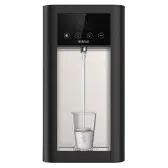
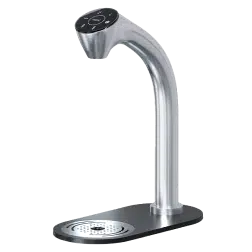
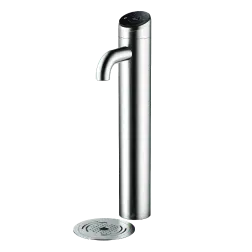
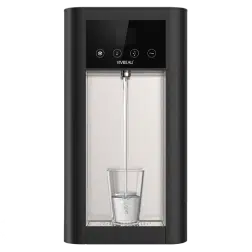
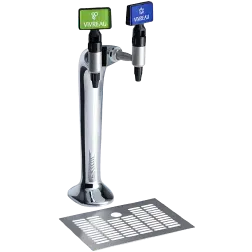
Vivreau’s taps deliver hot water suited to tea, coffee, and everyday warming. This piece walks through the differences that actually matter for an office: speed, safety, cost, footprint, and long-term upkeep, plus the specific situations where a kettle or urn is still the smarter buy.
Not every hot water need is the same. A workplace preparing pour-over coffee or a specialty tea that requires true boiling water needs a system designed for that use case.
An instant hot tap office setup built for everyday tea, instant coffee, and warming is a different specification question than one built for a barista bar. The comparison below assumes the everyday case, since that’s what most offices actually need.
A Tap Wins Speed When It Matters Most
A boiling-water tap vs kettle decision usually comes down to one question: how many people need hot water inside the same few minutes? A kettle or an urn serves one person, then needs refilling before it can serve the next.
That limit is invisible most of the day, when people make tea a few minutes apart. It becomes the entire story at a meeting break, when several people want hot water inside the same five minutes, and the kettle is already empty by the third cup. A tap has no cycle to wait out. It draws only what is needed, when it is needed.
Facilities teams already plan for this kind of peak demand elsewhere in the office. Recent research on workplace design finds that 66% of organizations now prioritize comfort and 62% prioritize flexibility, both ranked ahead of raw square footage. A hot water system that holds up during the busiest five minutes of the day is really an office hot water dispenser sized for peak, not average, load.
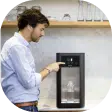
JOOLA, known worldwide for table tennis and pickleball, made exactly this switch at its headquarters. The office had been running a patchwork of water sources, including slow electric kettles for tea. After the Extra C-Tap went in, office manager Alison White says it quickly became the first stop for everyone on the team. Staff liked it enough that JOOLA added a second dispenser soon after. As for the kettles, White put it simply, “they’re gone!”

Handling Is the Real Safety Difference
The clearest difference between the two systems is not that one is dangerous and the other is safe. It is that a kettle requires someone to carry an open vessel of near-boiling water across the same pantry where a coffee maker, a pod machine, and a microwave are already creating foot traffic. A tap dispenses at the point of use into a cup already sitting there.
That handling step disappears entirely with a tap. Vivreau’s Extra C-Tap includes leakage detection that shuts the system down if something goes wrong, an emergency shutoff, and a feature built specifically to guard against scalding at the point of dispense.
None of that requires the user to do anything differently. The safety gain here is removing a step, not adding a warning label.

The Tap Draws Less, Even Though It Never Turns Off
A kettle is a short, heavy pull on the circuit. It draws close to its full rated wattage for the few minutes it takes to boil, then draws nothing until someone switches it on again. A tap works the opposite way. It holds a small reserve of water at temperature with a steady, low draw, and it never has to reheat a full charge just to serve one cup.
The two appliances also run on different power. A standard North American outlet runs at 120 volts, the nominal voltage standard for US electrical systems. Most of the UK and Europe run at 230 volts under a separate international voltage standard.
A kettle draws less power at the lower voltage, so it boils more slowly here than the same appliance would across the Atlantic. That’s worth knowing if you’ve read a boil-time comparison designed for a 230-volt supply, since the math behind it doesn’t carry over directly to a North American outlet.
Counter Space, Descaling, and the Jobs Nobody Owns
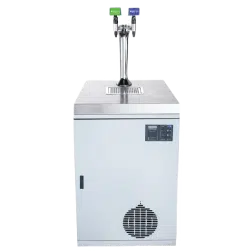
A tap frees up counter space, but it is not a pure gain. The unit needs cabinet volume underneath it for the plumbing and internal components.
The trade is real estate on the counter for real estate below it, not counter space for nothing. A specifier comparing a hot-water dispenser commercial installation to a kettle should expect that question from whoever signs off on the millwork.
Upkeep is where the comparison genuinely favors a plumbed system, though it rarely makes the office kitchen essentials list that gets discussed before a purchase. A kettle gets descaled by whoever remembers to do it.
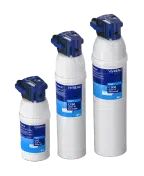
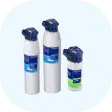
In practice, that means it often does not happen until performance visibly drops, and everyone in the office has seen the limescale to prove it. A plumbed tap works differently. Vivreau’s PURITY HCHF Hot Filter is replaced on a set service schedule, not when someone finally notices a problem. One system depends on somebody remembering. The other runs on a plan.
Where a Kettle Still Makes Sense
A tap is not the right answer everywhere. There are situations where a kettle or an urn genuinely works better, and naming them is what separates an equipment recommendation from a sales pitch.
| Situation | Better option | Why |
|---|---|---|
| Small team, under about 10 people | Kettle | Concurrency never becomes a problem at this size, and the upfront cost of a tap is harder to justify |
| High-traffic floor pantry | Tap | Peak-time concurrency is exactly the problem a tap solves |
| Meeting-heavy floor | Tap | Multiple people need hot water inside the same short window, repeatedly, every day |
| Client-facing kitchen | Tap | Removes the visible wait and the carried kettle from a space that guests see |
| Leased space without plumbing to the counter | Kettle or urn | Plumbing work may not be possible or worth the cost for a short lease term |
| Temporary or satellite site | Kettle | Installation cost is hard to justify for a location that will not be occupied long-term |
A team of eight in a shared workspace does not need to solve a concurrency problem that will not occur. A location without water access to the counter should not treat plumbing as a foregone conclusion.
Specifying Hot Water for Your Space
The decision depends on three things: how many people need hot water within the same 10 minutes, what already occupies the counter, and whether the plumbing reaches the point of use. A small team or a short-term lease usually points toward a kettle. A busy floor with a meeting schedule usually points toward a tap.
Most Vivreau systems that include hot water also function as a water and sparkling water dispenser, delivering chilled and sparkling water from the same point of use. That is often why a tap replaces several appliances at once rather than one. Pairing a commercial hot water dispenser with the rest of a workplace hydration program is the more useful way to frame the decision, rather than treating hot water as a standalone purchase.
To find the right setup for your space, request a quote and compare configurations tailored to your building’s hot- and cold-beverage needs.
FAQs
-
What Is the Difference Between an Instant Boiling Tap and an Instant Hot Water Tap?
An instant boiling tap is designed to deliver water at or near a full boil, typically around 100 degrees Celsius, for uses like pour-over coffee, where the exact temperature matters. An instant hot water tap, as Vivreau’s systems deliver, provides hot water suited for tea, instant coffee, and everyday warming. The right choice depends on what is actually being prepared at the tap.
-
Does a Hot Water Tap Replace a Coffee Maker or a Meeting Urn, or Sit Alongside Them?
In most North American offices, a tap sits alongside a coffee maker rather than replacing it, since coffee makers brew rather than simply dispense hot water. It does typically replace a meeting urn, since the urn exists mainly to solve the same concurrency problem a tap solves without the refilling cycle.
-
What Stops Someone From Being Scalded at a Tap That Dispenses Near-Boiling Water?
Vivreau’s hot-water-capable taps include a feature built specifically to guard against scalding at the point of dispense, along with leakage detection and an emergency shutoff. Because the water dispenses directly into a cup already in place, the handling step that typically causes injury with a kettle carried in hand does not occur.
-
How Does a Tap Handle a Meeting Break Better Than a Kettle or an Urn?
A kettle or urn serves one person before it needs refilling. The limit shows up exactly when several people want hot water at the same time.
A tap draws only what is needed, when it is needed. It has no refill cycle to create a bottleneck during a break.
-
What Upkeep Does a Plumbed Hot-Water Tap Require Compared With Descaling a Kettle?
A kettle is descaled whenever someone remembers to. In most offices, that means after performance has already dropped. A plumbed tap’s filter is changed on a set schedule as part of a service program. The maintenance happens before it becomes visible to anyone using the tap.
Latest Posts


