











TL;DR
- The amenities that shape long-term member satisfaction are the ones used every day, not the ones in the marketing deck. Consistency and quality at high-frequency touchpoints matter more than headline features.
- A thoughtful coworking amenities list includes fast internet, flexible meeting rooms, wellness infrastructure, and premium hydration. These cover the basics done well, plus the details that signal a space has intention.
- Premium hydration stations stand out as one of the highest-impact, lowest-friction amenities available: used constantly, visible to guests, and easily upgraded from a logistical burden to a genuine member experience differentiator.
The flexible workspace industry has reached a point where a desk and strong WiFi are table stakes. According to Optix’s 2025 coworking industry benchmarks, 89% of coworking members report being happier since joining a coworking space, a number that reflects not just the freedom of flexible work but the quality of the environments supporting it.
With global coworking occupancy at 68% entering 2025, operators competing for and retaining membership are looking more closely at which amenities actually move the needle.
Not all amenities are equal. Some are used twice a year. Others are touched before a member even opens their laptop in the morning. This list focuses on the second category.
Reframing Amenities as Part of the Workplace Experience
There’s a tendency to treat amenities as a checklist: things you offer so you can list them on your website. A more useful frame is to think of them as daily interactions that shape members’ feelings about your space over time.
A member who gets excellent filtered water every morning, easy access to meeting rooms when it matters, and reliable internet for every session is building a quiet, consistent sense of trust in your operation. A member who runs into friction on any of those fronts multiple times in a month is quietly counting down to their next renewal decision.
Amenities don’t just attract members. The right ones, consistently delivered, keep them. The 2024 Coworks operator survey found that wellness amenities topped member wish lists at 58.1%, followed closely by upgrades to food and beverage services. These aren’t luxury asks. They reflect a shift in what workplace quality means to a post-pandemic professional.
The Top 12 Coworking Space Amenities
The amenities that matter most are the ones that reduce friction, support daily routines, and make the space feel dependable every time members walk in. With that in mind, the strongest coworking amenity strategies start with the essentials members use constantly, then build toward the hospitality and wellness details that make a workspace feel worth returning to.

1. Enterprise-Grade Internet
The foundation of everything else. Reliable, fast, and consistent connectivity is non-negotiable, though not all WiFi is equal. Members on video calls, making large uploads, or running cloud-based workflows need bandwidth that doesn’t degrade during peak hours.
Mesh networks with dedicated access points, wired options in meeting rooms, and a published speed commitment are what separate genuine enterprise-grade from a marketing claim.

2. Private and Semi-Private Meeting Rooms
Meeting room demand increased 21.3% year-over-year in 2024, according to Optix. Members are hosting clients, running interviews, and jumping on all-hands calls. They need enclosed, soundproofed rooms with reliable AV. Easy, app-based booking and clear time limits keep the experience from becoming frustrating.

3. Phone Booths and Focus Pods
Open-plan coworking works for some tasks and not for others. Acoustic isolation booths for solo calls and short-focus sessions have become one of the most-used features in high-performing spaces, reducing interruptions without requiring a full meeting room booking.

4. Ergonomic Furniture and Adjustable Workstations
Standing desks, monitor risers, and properly sized seating signal that a space takes the physical side of work seriously. According to the Coworks survey, ergonomic infrastructure was among the most commonly requested wellness upgrades. Members spending six to eight hours at a desk notice the difference.

5. Natural Light and Biophilic Design
Access to daylight, views, and greenery is consistently associated with members’ well-being and productivity. Spaces that maximize natural light and incorporate plants or living walls are perceived as higher quality, even when the functional amenities are otherwise comparable.

6. Smart Access and Building Security
Keycard and app-based entry, 24/7 access, and visible security infrastructure matter increasingly to enterprise clients and solo members alike. Seamless entry with no staff dependency also reduces operational overhead.

7. Mail Handling and Business Address Services
For freelancers and small businesses, a professional address and reliable mail and package delivery are meaningful parts of the membership value proposition. These services are low-cost to offer and high-value to the right segment.

8. Coffee and Espresso Service
Well-maintained espresso equipment and high-quality beans are visible signals of hospitality standards. Coffee is a daily ritual that anchors a member’s morning, and the quality of that experience compounds over time. Filtered water that improves the taste of every cup is part of this, too.

9. Wellness Amenities
Gyms, shower facilities, meditation spaces, and outdoor terraces round out the high-demand wellness tier. These amenities differentiate spaces competing for longer-term, enterprise-level memberships and are becoming increasingly expected by health-conscious professionals.

10. Event and Community Programming Space
Dedicated programming areas, happy hours, and curated networking events are what separate a coworking space from a serviced office. Werqwise’s experience in San Francisco makes this concrete: they’ve built an intentional community around member breakfasts, events, and shared spaces, with Andrea Rosete describing how the kitchen becomes a natural convergence point: “those moments spark collaborations and ideas.”

11. Printing, Scanning, and Business Services
Rarely glamorous but reliably necessary. Reliable document services, IT support, and administrative assistance are most valued when they’re missing.

12. Premium Hydration Stations
Water is used more than anything else on this list. It’s the first thing a member reaches for in the morning, the thing they refill during meetings, and the amenity their guests interact with the moment they walk in.
Yet in many spaces, it’s still managed as a logistics problem: cases of bottled water stacked in the corner, restocked midday, supplies running low before an important event.
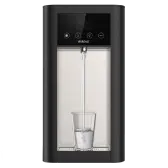
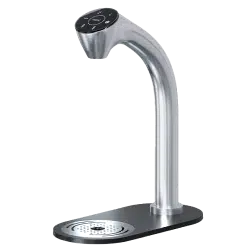
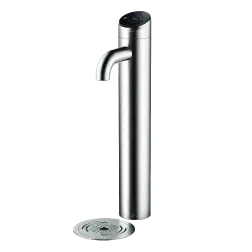
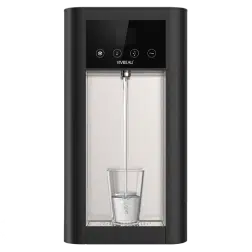
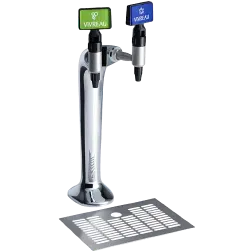
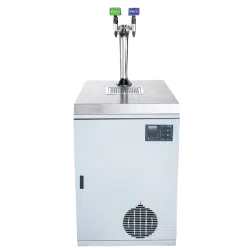
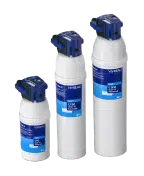
Upgrading the hydration experience from bottled water to a quality point-of-use dispenser is one of the most visible, consistently impactful amenity investments a coworking operator can make. Premium coworking space water dispensers that offer chilled, still, sparkling, and hot water on demand immediately change the feel of a kitchen or common area, and the effect extends to every cup of coffee and tea served from the same filtered source.
What Actually Drives Member Satisfaction and Retention
The amenities that drive retention aren’t necessarily the most expensive ones. They’re the ones that touch members the most often, work reliably, and feel considered rather than stained.
A space can have a rooftop terrace that members use twice a year and a water dispenser that they interact with ten times a day. One of those is a differentiator in the sales conversation. The other is what shapes how they feel about your space every single day.
High-frequency touchpoints like internet, seating comfort, hydration, and coffee compound in both directions. When they consistently deliver, they become invisible in the best way: members don’t notice them because there’s nothing to notice. When they fail or feel low-quality, they erode trust at the same compounding rate.
Member satisfaction data reflects this. In addition to wellness, Coworks survey data point to community and hospitality quality as the primary variables that separate spaces with strong retention from those with churn. Hospitality, in this context, means the small signals that tell a member this place was designed with them in mind, not just the big headline feature.
Hydration as a High-Visibility, High-Impact Amenity
Water isn’t a background utility in a coworking space. It’s a high-frequency touchpoint with a direct line to how your space feels to the people using it every day.
The operational case for upgrading from bottled water is well-established. As Vivreau’s analysis of coworking hydration costs shows, a 100-member space running on bottled water can spend $20,000 to $30,000 annually on product alone. 
Add staff time for ordering, restocking, and inventory management, and the total can reach $35,000 per year. That’s a high recurring cost for a system that still delivers a worse experience than a quality dispenser.
The member experience side is equally compelling. Sparkling water on demand isn’t a luxury in a premium workspace. It’s what members expect when they’re paying for a thoughtfully designed environment.
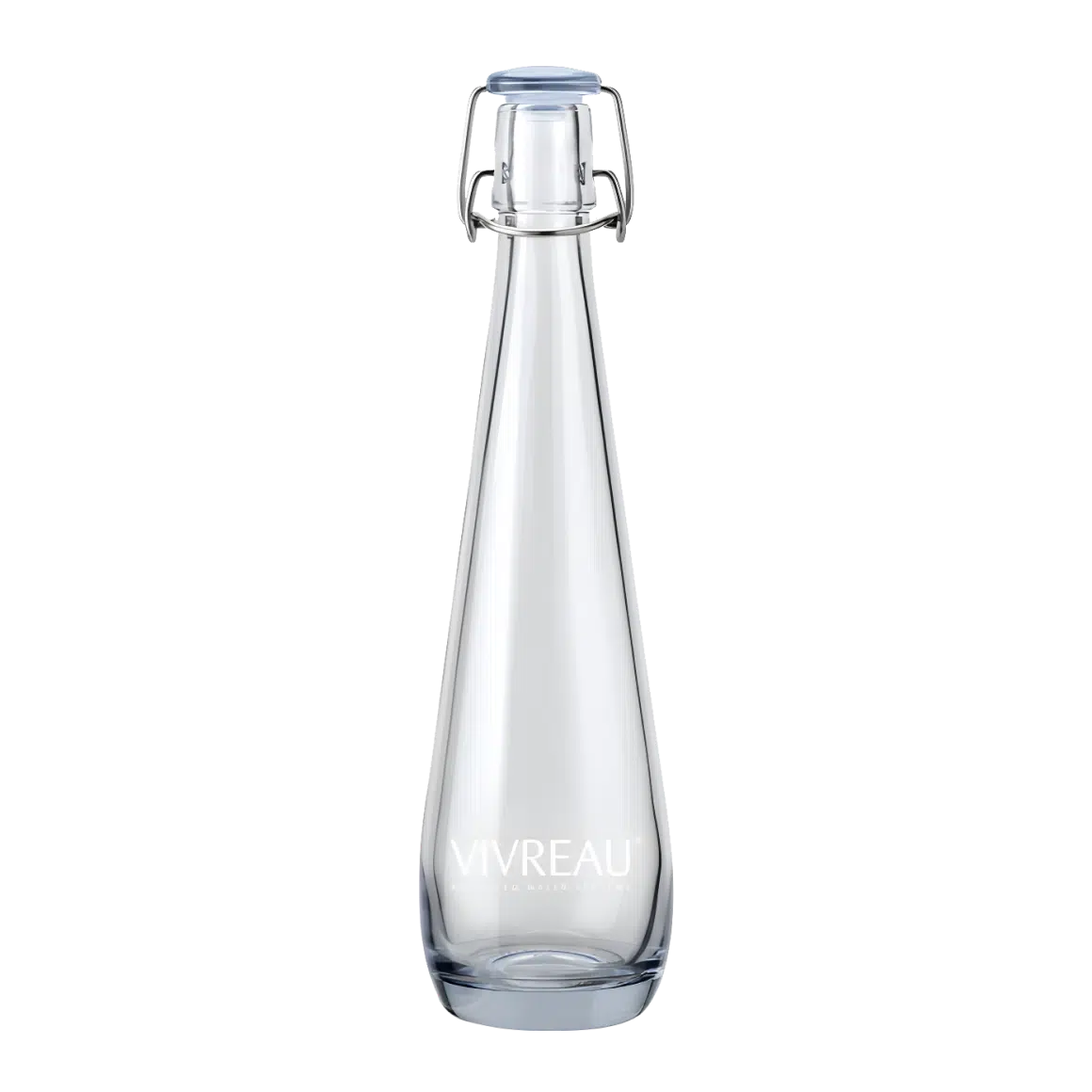
And the sustainability signal matters: a visible hydration station with reusable glassware communicates environmental values more clearly than a policy document ever could. Understanding the different types of water dispensers available is a useful first step in selecting the right system for a specific space configuration and membership profile.
For operators thinking through where to invest next, hydration sits at an unusual intersection: it reduces operational cost, improves the member experience, and supports sustainability goals, all from a single upgrade.
Building a Coworking Space That Drives Retention
The amenities that keep members aren’t always the ones they cite when they join. They’re the ones they’d notice if they were gone.
Reliable internet, private meeting space, quality coffee, a comfortable chair, and clean filtered water aren’t features. They’re the baseline experience that everything else is built on. Get those right, get them consistent, and the programming, community, and community add-ons become what tips a member from satisfied to genuinely loyal.
For operators evaluating their hydration setup, Vivreau offers a range of coworking space water dispensers designed to fit different space configurations, from countertop systems for boutique studios to multi-unit installations for large, multi-floor operations.
Request a quote to explore a hydration solution tailored to your space and membership.
Frequently Asked Questions
-
How Can Coworking Operators Measure the ROI of Specific Amenities, Such as Hydration Systems?
Start by tallying the full current cost of the system you’re replacing. For bottled water, that includes product, delivery, storage, and staff time. A 100-member space can spend upwards of $35,000 annually on bottled water when all costs are totaled.
On the other side of the ledger, factor in the impact on member retention: amenities that reduce friction in daily interactions reduce the quiet dissatisfaction that drives churn. A hydration upgrade that costs less than the bottled water program and improves the member experience is a straightforward return calculation.
-
What Operational Challenges Do Coworking Spaces Face With Bottled Water Programs?
The core challenges are logistics, consistency, and hidden staff time. Ordering must be managed before supplies run low; deliveries require someone to receive and store them; restocking is a recurring manual task; and disposal of empties adds to both time and waste.
In spaces where a big client meeting or event is scheduled, running out of water becomes a hospitality failure. Point-of-use dispenser systems remove all of those variables: there’s nothing to order, nothing to store, and nothing to run out of.
-
How Do Premium Amenities Influence Enterprise Client Retention Versus Startups?
Enterprise clients typically have more explicit hospitality expectations. They’re hosting their own clients, running formal team sessions, and evaluating your space against corporate office standards. Premium amenities, from private meeting rooms to quality hydration, signal operational professionalism.
Startups are generally more flexibility-focused, but the quality bar has shifted: Werqwise, where founders host investor meetings and premium sparkling water is part of the ambient experience, reflects an expectation that even startup-focused spaces deliver hospitality-grade details.
-
What Role Does Sustainability Play in Coworking Amenity Decision-Making Today?
It’s increasingly a purchase driver, not just a communication point. Members who care about sustainability are paying attention to the visible signals in a space. Single-use plastic in the kitchen is a contradiction for spaces that market on community and values.
A point-of-use dispenser that eliminates plastic bottles and reduces emissions from delivery transport gives operators a tangible, communicable sustainability win. For spaces tracking environmental impact or working toward certifications, the measurability of that impact matters too.
-
How Can Workspace Operators Prioritize Amenities Based on Actual Usage Data?
Start with the frequency of use and the frequency of complaint. High-frequency, high-complaint amenities should be addressed first, as they generate the most consistent friction.
Survey members quarterly and look for patterns: what gets mentioned when members are unhappy, and what gets mentioned when they recommend the space to someone else? Usage data from booking systems (meeting rooms, parking, event spaces) can supplement member feedback and help identify capacity gaps before they become retention problems.


