











TL;DR
- Boardroom design investment is growing: 60% of organizations expect to increase spending on workplace design by 2030, reflecting the recognition that physical environments signal culture, capability, and organizational values.
- Traditional water service, whether bottled water, standalone countertop dispensers, or catering logistics, introduces visual clutter, operational friction, and sustainability contradictions that undermine the standard these spaces are designed to project.
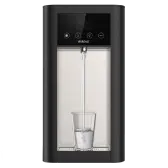
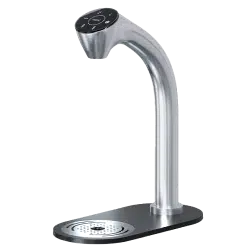
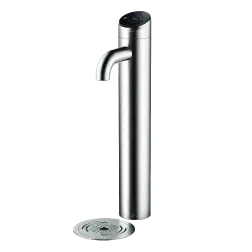
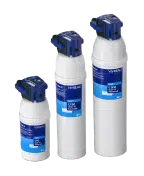
- Integrated under-counter dispensers eliminate visible equipment, delivery logistics, and audible machine cycles, providing still and sparkling water on demand without disrupting the meeting environment.
- Vivreau dispensers produce up to 86% less CO2 than bottled water and maintain consistent quality standards for every serving, regardless of who is in the room.
The modern executive boardroom has evolved into a high-stakes brand-building environment where physical space signals culture, capability, and organizational values. From the specification of furniture to the integration of technology, every premium client-facing amenity either reinforces the organizational standard or quietly works against it.
While organizations invest heavily in workplace design, the hospitality details that define these rooms, including hydration, are undergoing a fundamental re-evaluation. By eliminating the operational friction and sustainability contradictions of traditional service, integrated water solutions provide a seamless hydration experience that aligns with the uncompromising quality and brand-building expectations of the contemporary boardroom.
Why Are Executive Boardrooms Becoming Brand-Building Spaces?
For most of corporate history, the boardroom was defined by what happened in it. The space itself was more of an afterthought.
According to JLL’s Future of Work 2024 research, 60% of organizations expect to spend more on workplace design and refurbishment by 2030, reflecting a growing recognition that physical environments signal culture, capability, and organizational values to the people inside them.
Gensler’s 2025 CRE research with CoreNet Global confirms the pattern: meeting room and conference space upgrades ranked among the top planned office modifications for corporate real estate leaders in 2025. In executive boardrooms, that logic is amplified.
Investors, clients, partners, and senior stakeholders begin forming impressions before any presentation starts. The furniture communicates taste, the technology communicates capability, and how every premium client-facing amenity is handled, from lighting to materials to hydration, either reinforces the organizational standard or quietly works against it.
A room that reflects attention to every element signals the same care the organization brings to its work. When that attention stops, the story still gets told.
Organizations serious about their executive spaces treat hydration as a specification decision and choose solutions that reflect the same priorities as everything else in the room.
Why Does Traditional Boardroom Water Service Fall Short?
Most boardrooms rely on one of three approaches to water service: pre-staged bottled water, a standalone machine in the corner, or catering that arrives and clears out around the schedule. Each creates friction.
Bottled water is a logistics operation. It requires ordering, storage, setup, and cleanup. It also puts single-use plastic on the boardroom table, which sends a message to the growing number of leadership teams and external stakeholders who track sustainability commitments.
JLL’s research found that 72% of corporate real estate leaders say they will pay a premium to occupy spaces with leading sustainability credentials. The scrutiny many organizations apply to the buildings they occupy often extends to how those buildings are run.
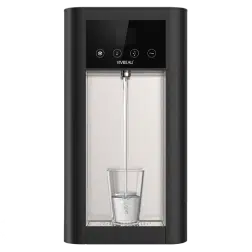
Standalone countertop dispensers create a different problem: they are visible in the room, require ongoing maintenance, and rarely match the design quality of the space they have been placed in. Visible utility in an executive environment undermines the investment made in everything surrounding it.
Manual catering setups introduce scheduling dependencies and operational logistics that undermine the effortless quality a well-designed boardroom is supposed to convey.
For organizations evaluating corporate office water solutions for high-profile meeting spaces, the standard question is not whether an option works but whether it belongs in the room.
Why Does Quiet Operation Matter in Executive Spaces?
Acoustic quality is now a first-order consideration in the specification of executive meeting rooms. K2 Space’s 2026 boardroom design research identifies acoustics as the leading trend shaping modern boardroom design, noting that controlling reverberation and isolating ambient noise are “mission-critical” in these environments.
JLL’s HX Survey 2024 confirms acoustics as one of the most consistently poorly rated factors across corporate workplaces. The pattern holds even in spaces that have invested heavily elsewhere.
Compressor cycles, reservoir fills, and automatic dispensing sequences add to that problem. Equipment that generates mechanical noise during a meeting disrupts it. In a room where a negotiation is in progress or a board presentation is underway, the tolerance for ambient interruption is near zero.
Vivreau dispensers operate on a continuous-flow, on-demand basis rather than a tank-and-compressor cycle. There is no audible fill sequence triggered mid-discussion. Chilled still and sparkling water are available at any point, delivered without the room taking notice.
When evaluating types of water dispensers for executive spaces, acoustic performance deserves the same scrutiny as the ceiling treatments and glass partition systems that the rest of the specification already demands.
Design Integration Is Becoming an Executive Expectation
 Modern boardrooms are curated environments where screens flush into walls, cables run through furniture, and technology recedes rather than intrudes. The expectation for every element in the room is that it integrates into the space; if it does not, it does not belong there.
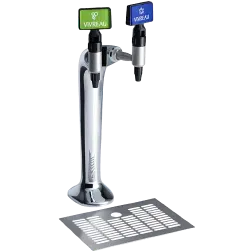
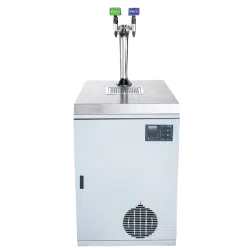
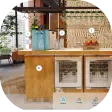
Vivreau dispensers fit this model. Under-counter models install directly into cabinetry, connect to the building’s water supply, and elimin
ate visible equipment, external storage, and delivery logistics entirely. The premium office water station that the room needs becomes part of the room itself rather than an addition to it.
Filtered office dispensers designed for commercial environments also deliver the consistency that standalone alternatives cannot. Water quality, temperature, and carbonation level are the same for every guest, every time. For organizations hosting board members or clients across multiple visits, that reliability is part of the hospitality standard the room builds over time.
The shift from treating hydration as a facilities procurement decision to treating it as a design and brand decision reflects how seriously leading organizations now take workplace hydration solutions as part of the total experience of the spaces they have invested in. When every other element in the room has been chosen to blend cleanly into the environment, the water service should meet the same standard.
How Are Leading Organizations Redefining Executive Hospitality?
Executive hospitality used to mean coffee and a tray left on the credenza. At the leading edge, organizations now approach the entire meeting environment as a hospitality experience. The quality of every element, including how water is served and from what, reflects on the organization providing it.
The sustainability dimension has become material to that impression. An executive team hosting investors or clients with visible ESG commitments either reinforces that alignment through what is visible in the room or quietly contradicts it.
A premium filtered water dispenser for offices that eliminates single-use plastic from the boardroom is a tangible, reportable commitment. Vivreau dispensers produce up to 86% less CO2 compared to bottled water. Organizations can include that figure in their sustainability reporting.
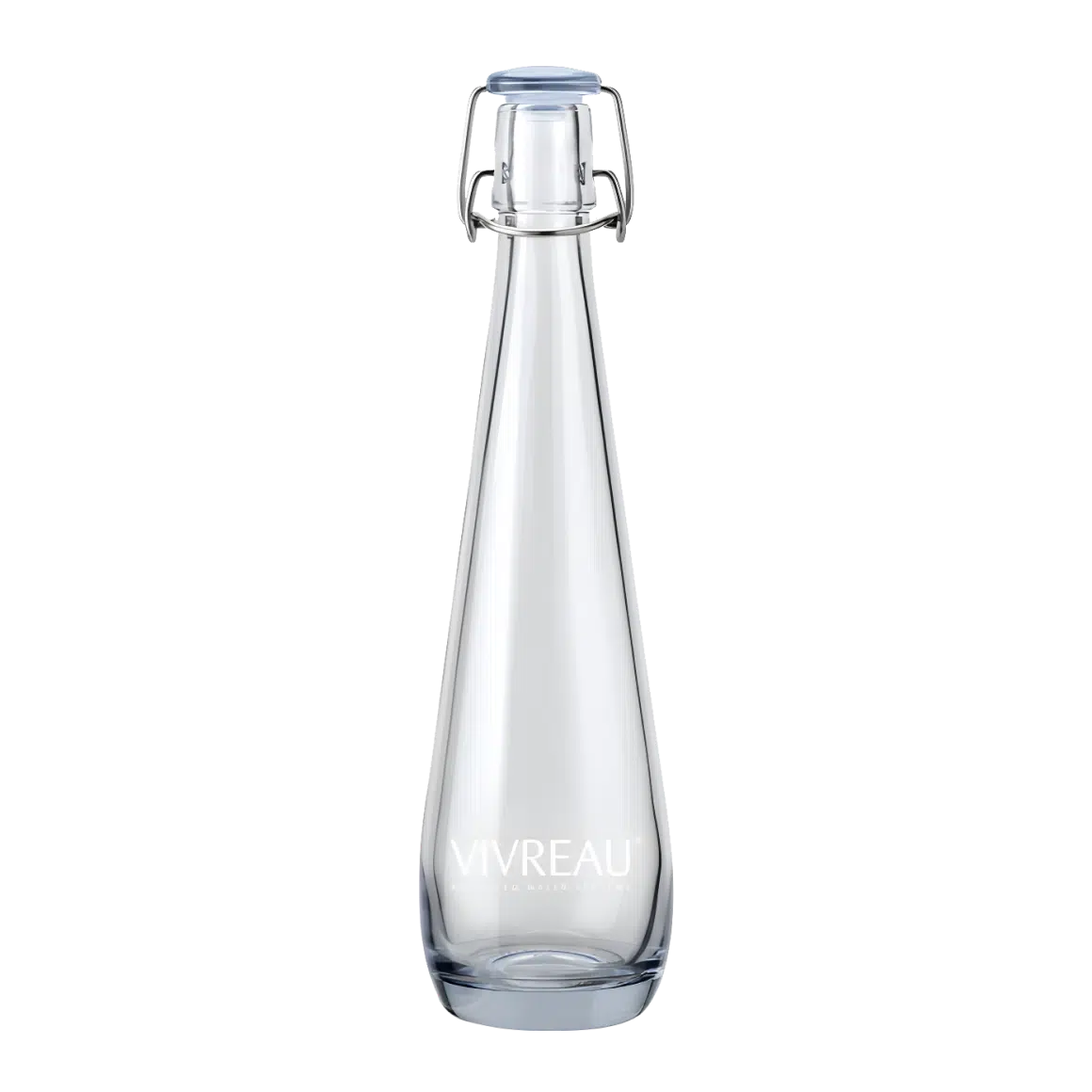
Water quality is a hospitality standard in its own right. Vivreau’s activated carbon filtration is certified to NSF/ANSI Standards 42 and 53, confirming consistent removal of chlorine taste and odor, lead, cysts, and other contaminants. Still or sparkling, chilled or ambient, poured into a glass or stainless steel bottle, every serving of microfiltered water holds to the same quality standard regardless of the visit.
Thoughtful amenities contribute to how an organization is remembered long after the meeting ends.
Elevating Executive Experiences Through Thoughtful Details
The decisions that define a boardroom often happen at the specification level, in the choices that become invisible once the room is working the way it should.
An integrated approach to executive boardroom water solutions removes the operational friction that traditional setups introduce: no deliveries, no visible storage, no equipment noise, no sustainability contradiction sitting on the table. What remains is a hydration experience that matches the standard of every other element in the room, one that the organization never has to think about because it works.
Request a quote to design a premium hydration experience that complements your executive spaces and reinforces your brand standards.
FAQs
-
How Do Executive Boardroom Amenities Influence Client and Investor Perceptions?
Every element in a boardroom contributes to how visitors assess the organization behind it. Executive spaces are environments where credibility is confirmed or questioned before formal discussion begins.
Amenities that reflect attention to design, quality, and sustainability signal organizational standards to the people evaluating them most critically. A room that handles every detail with intention communicates professionalism in a way that formal presentations alone cannot replicate.
-
What Role Does Workplace Hospitality Play in Modern Executive Environments?
Workplace hospitality in executive settings has expanded beyond refreshments to encompass the full quality of the meeting environment. Leading organizations now extend hospitality industry principles to the meeting environment itself.
Consistency, quality, and deliberate design shape spaces where clients, board members, and senior stakeholders feel the organization’s standard. That includes how water is served, how the room sounds, how technology works, and how sustainability commitments are reflected in what is visible.
-
Why Are Architects and Workplace Designers Prioritizing Integrated Hydration Solutions in Boardrooms?
As boardroom design becomes more experience-driven, every specification decision is evaluated against the space’s overall design intent. Hydration is no exception. Standalone or countertop equipment introduces visual disruption, mechanical noise, and maintenance logistics that work against curated executive environments.
Integrated solutions that connect to building water infrastructure, disappear into cabinetry, and operate without audible cycles match the acoustic and aesthetic standards that premium meeting spaces require.
-
How Can Organizations Balance Premium Executive Experiences With Sustainability Goals?
These goals work together rather than in tension. Eliminating single-use plastic bottles removes both visual clutter and the environmental liability from the room.
Integrated sustainable office water solutions offer still and sparkling water in glass or stainless steel bottles at a quality standard that bottled water does not consistently deliver, while producing measurably less carbon. A well-specified hydration program is a brand-enhancing, sustainable office perk. It improves the experience, reduces waste, and produces numbers worth reporting, all from a single specification decision.
-
What Design Considerations Matter Most When Selecting Amenities for High-Profile Meeting Spaces?
Three factors carry the most weight: visibility, consistency, and acoustic performance. Equipment that draws attention through visual presence, audible operation, or operational logistics introduces friction into a space designed to eliminate it.
Consistency matters because high-profile spaces are repeatedly used by the same stakeholders, and the experience they build over time directly reflects on the organization. Acoustic impact is an increasingly important specification concern in rooms where confidential or high-stakes discussions take place.


