








TL;DR
- Most office perks are designed to win talent, not keep it. The amenities that drive long-term retention are the ones employees interact with multiple times a day, not once a quarter.
- Wellbeing-focused workplace design, including comfort, convenience, quality hydration, and physical ease, has a compounding effect on how employees feel about where they work and whether they stay.
- Premium hydration is one of the highest-frequency, lowest-friction amenities available. It signals genuine organizational care, and it supports the sustainability goals companies are already committed to.
Only 21% of employees globally are classified as engaged at work, according to Gallup’s 2025 State of the Global Workplace report. That number should shape how HR and operations leaders think about every decision in the physical workplace, including the ones that seem too small to matter.
Office amenities sit at an interesting intersection of HR strategy and facilities planning. They’re often managed as an operations problem, but their impact is squarely in the territory of engagement, wellbeing, and whether employees feel genuinely supported or just employed. The amenities most worth investing in are those that employees encounter not once a quarter, but every single day.
Reframing Office Amenities as Drivers of Wellbeing and Culture
There’s been a meaningful shift in how organizations think about the physical workplace. The question has moved from “what perks can we offer?” to “what kind of daily experience are we building?”
That shift matters because perks and experience produce different outcomes. A well-stocked snack wall generates goodwill when a candidate first walks in, but it doesn’t shape how an employee feels at 10 a.m. on a Tuesday.
The amenities that compound into genuine satisfaction are the ones built into the normal flow of a workday: the ease of getting coffee, the quality of filtered water at the kitchen station, and the comfort of the chair they sit in for six hours.
Physical workplace design is increasingly recognized as a lever for the same outcomes HR teams chase through policy and culture initiatives. Wellbeing infrastructure, access to natural light, comfortable common areas, and quality hydration are tangible expressions of an organization’s commitment to its people. When employees see care in the space itself, it reinforces trust in ways a benefits deck can’t replicate.
The Problem With Traditional Office Perks
The traditional office perks playbook was built for talent attraction: amenities that photograph well for job postings and feel impressive during onboarding. The problem is that most of those perks have a limited shelf life in terms of their impact on how employees feel day-to-day.
A wellness room that shows beautifully on an office tour may help a candidate picture a more thoughtful workplace, but it won’t change how supported they feel between meetings. The amenities that shape retention are usually less flashy and more frequent: the coffee they grab before a call, the filtered water they refill throughout the day, and the kitchen setup they rely on when deadlines run long. Small interactions repeated daily become the real workplace experience.
HR leaders are increasingly aware of this disconnect. According to 2026 workplace research, 92% of employees cite collaboration and community as primary reasons for returning to the office, and 53% of employers are actively investing in workplace incentives to improve the daily experience. The challenge isn’t understanding that daily experience matters; it’s knowing which investments actually move it.
What Actually Drives Retention: Daily Experience and Wellbeing
Long-term retention is shaped by whether employees feel consistently comfortable, supported, and valued in their environment. That’s harder to manufacture than a headline benefit, and it requires attention to the high-frequency moments that make up a typical day.
High-frequency touchpoints work in both directions. When the basics are reliable and high-quality, employees don’t notice them, yet they build a cumulative sense of ease and trust. When they’re inconsistent or low quality, that same frequency compounds in the wrong direction: small frustrations, repeated often enough, erode the goodwill that culture initiatives are designed to build.
Amenities with the greatest retention impact are the ones employees use constantly and would immediately miss. Access to clean, quality drinking water throughout the day is a good example. It’s a simple thing, but it’s also one of the most consistent daily interactions between an employee and their workplace.
Hydration as a Foundational Workplace Amenity
As the Vivreau team describes it:
“Premium water stands out as a foundational amenity because it’s experienced by employees multiple times a day. Unlike novelty perks, hydration is a shared, everyday touchpoint that influences comfort, focus, and how people feel in the workplace. Offering high-quality, premium water signals care, intention, and consistency.”
The logic maps directly onto how retention actually works. Amenities experienced consistently, shared across the entire workforce, and connected to physical comfort have a disproportionate effect on employees’ perceptions of their workplace. Filtered water dispensers for offices replace the logistical burden of managing bottled water inventory, restocking, and disposal with a consistent, seamless experience that requires no daily management to keep running well.
The sustainability signal matters here, too. A premium filtered water disp
enser for office environments eliminates single-use plastic from daily operations in a visible, tangible way. For employees who factor environmental values into where they want to work, that visibility is meaningful.
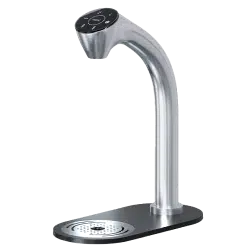
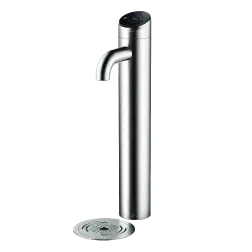
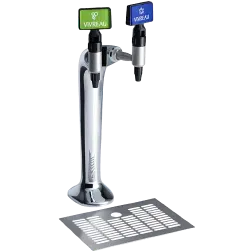
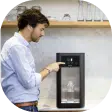
JOOLA, a global sports brand known for technical excellence in table tennis and pickleball, built that principle directly into the design of its new North American headquarters. The office was intentionally designed: furniture, kitchen layout, technology, and hydration were all chosen by hand to reflect the company’s wellness-forward culture. When it came to water, they chose Vivreau’s Extra C-Tap, a decision that quickly became part of the team’s daily rhythm. As Alison White, JOOLA’s Office Manager, describes it: “everyone makes a beeline to the Vivreau tap. It’s become part of the daily rhythm.”
For office and HR leaders considering where modest investments deliver outsized returns on employee experience, a bottleless water dispenser for office environments is worth a close look. It’s one of the few amenity upgrades that reduces operational overhead while improving the daily experience for everyone.

Building a Workplace That Supports Retention
The workplace investments with the longest retention impact are the ones that touch employees every day, signal genuine organizational care, and remove friction from the normal flow of work. They don’t need to be expensive or architecturally significant. They need to be consistent, quality, and clearly chosen with the people using them in mind.
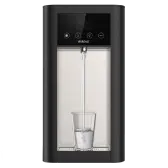
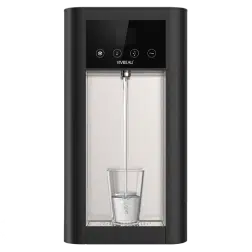
Hydration is a natural place to start. It’s high-frequency, operationally simple, visible, and directly tied to employee comfort and wellbeing. A workplace hydration solution that delivers quality still, sparkling, and hot water on demand doesn’t just improve the experience around the kitchen station. It’s a daily, recurring signal that the organization pays attention to how people feel while they’re at work.
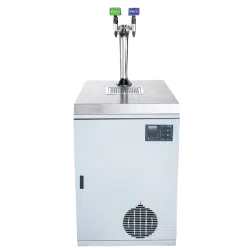
For HR and operations leaders evaluating their office environment, Vivreau offers a range of office water dispensers designed to fit spaces from boutique offices to multi-floor headquarters.
Request a quote to explore a workplace hydration solution that supports employee wellbeing and simplifies operations.
Frequently Asked Questions
-
How Can HR Teams Connect Workplace Amenities to Measurable Retention and Wellbeing Outcomes?
Start by tracking employee feedback on high-frequency touchpoints rather than headline benefits. Pulse surveys and exit interviews often reveal that what employees miss most are the basics done consistently well: reliable technology, comfortable workspaces, and convenient access to food and water.
Mapping amenity quality against eNPS or retention data over time allows HR teams to identify which investments are moving the dial, and which perks are visible but not meaningfully impacting how employees feel day to day.
-
What Role Do Hydration and Nutrition Play in Employee Engagement and Productivity?
Hydration has a well-documented effect on cognitive function, concentration, and energy levels throughout the workday. Even mild dehydration impacts focus and decision-making, which means access to clean, convenient drinking water is a functional infrastructure question as much as a wellness one.
When high-quality water is readily available and genuinely enjoyable to drink, employees hydrate more consistently, with downstream effects on their performance and wellbeing throughout the day.
-
How Do Hybrid Work Models Change Which Office Amenities Are Most Valuable to Employees?
Hybrid work has raised the bar on what makes in-office days worth the commute. When employees have the option to work from home, the office needs to offer something meaningfully better, not just different.
That has shifted the value equation toward hospitality-grade basics: quality coffee, premium hydration, comfortable collaboration spaces, and reliable technology. Amenities that existed as background utilities in a full-time office model are now active factors in whether employees choose to come in on a given day.
-
What Are the Hidden Costs of Maintaining Traditional Office Amenities Like Bottled Water Programs?
Bottled water programs carry costs well beyond the product price. Ordering and inventory management require regular staff attention, storage takes physical space, deliveries require someone to receive and stow them, and disposal of empties adds both labor and waste.
Organizations that switch to a point-of-use office water filtration solution typically find that the operational savings offset a significant portion of the investment while also improving the experience for everyone using it.
-
How Can Organizations Align Sustainability Goals With Employee-Focused Workplace Upgrades?
The most effective sustainability upgrades work because they also improve the employee experience, not in spite of it. Switching from bottled water to a filtered dispenser is a clear example: it removes single-use plastic from daily operations, reduces emissions from delivery transport, and gives employees a genuinely better product.
The sustainability benefit is visible and communicable, which matters to employees who factor environmental values into where they work. Unlike policy-level commitments, a hydration upgrade is something employees encounter and benefit from directly, every day.


