









TL;DR
The best office kitchen supplies do more than stock a break room. They shape how the workday feels, support healthier habits, and show employees that the workplace was designed with real daily use in mind.
This article covers:
- Why water should be treated as a core office amenity
- Which office kitchen supplies make the biggest difference day to day
- How to balance experience, ROI, maintenance, and space constraints
Office kitchens are easy to underestimate because they look like support spaces. In practice, they are one of the few places employees interact with multiple times a day. This makes them a powerful part of the overall workplace experience.
That is why the best office kitchen supplies are the ones that remove friction, improve comfort, and hold up operationally. When the kitchen works well, it supports productivity, wellness, and culture without asking employees to think about it.
Why Kitchen Amenities Are Core to Employee Experience
A well-planned kitchen shapes more than convenience. It influences how people feel about coming into the office and how easily they move through the day.
Gensler’s 2024 Global Workplace survey highlights a broader shift in how workplace performance is measured. It is no longer just about efficiency or space utilization. It is about how the environment supports focus, collaboration, and overall experience.
That puts everyday amenities into sharper focus. Spaces that reduce friction and support small daily habits tend to perform better because they make work feel easier and more considered.
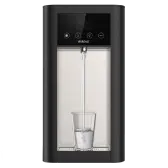
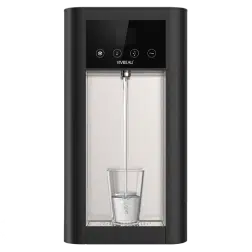
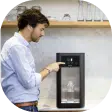
Water should sit at the center of that experience. A modern office water dispenser is visible, heavily used, and immediately useful. It supports healthy drinks, cuts down on plastic water bottles, and makes the kitchen feel more current than a cluttered setup built around cases, jugs, or inconsistent refills.
It also helps create the kind of people-first environment many organizations now want to build. Easy, accessible hydration signals that employee needs have been considered at a daily, functional level. That is where satisfaction tends to build, not from one-off perks, but from environments that work without friction.
This is the same shift reflected in frameworks like WELL, where workplace performance is tied to how well a space supports health and everyday experience, not just how it looks or functions on paper. Hydration fits naturally into that model because it is both highly visible and constantly used.
Practical Checklist: 6 Must-Have Office Kitchen Amenities
The most effective office kitchen supplies are not the flashiest ones. They are the items employees use every day and would notice immediately if they disappeared.
A practical checklist usually includes:
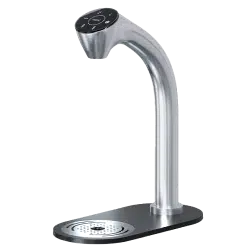
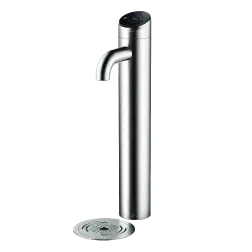
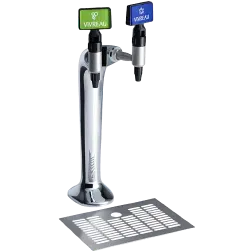
- Premium water dispensers or taps for still, sparkling, and hot water
- A reliable coffee and tea station with enough variety to feel intentional
- Healthy snacks and pantry staples that support real daily routines
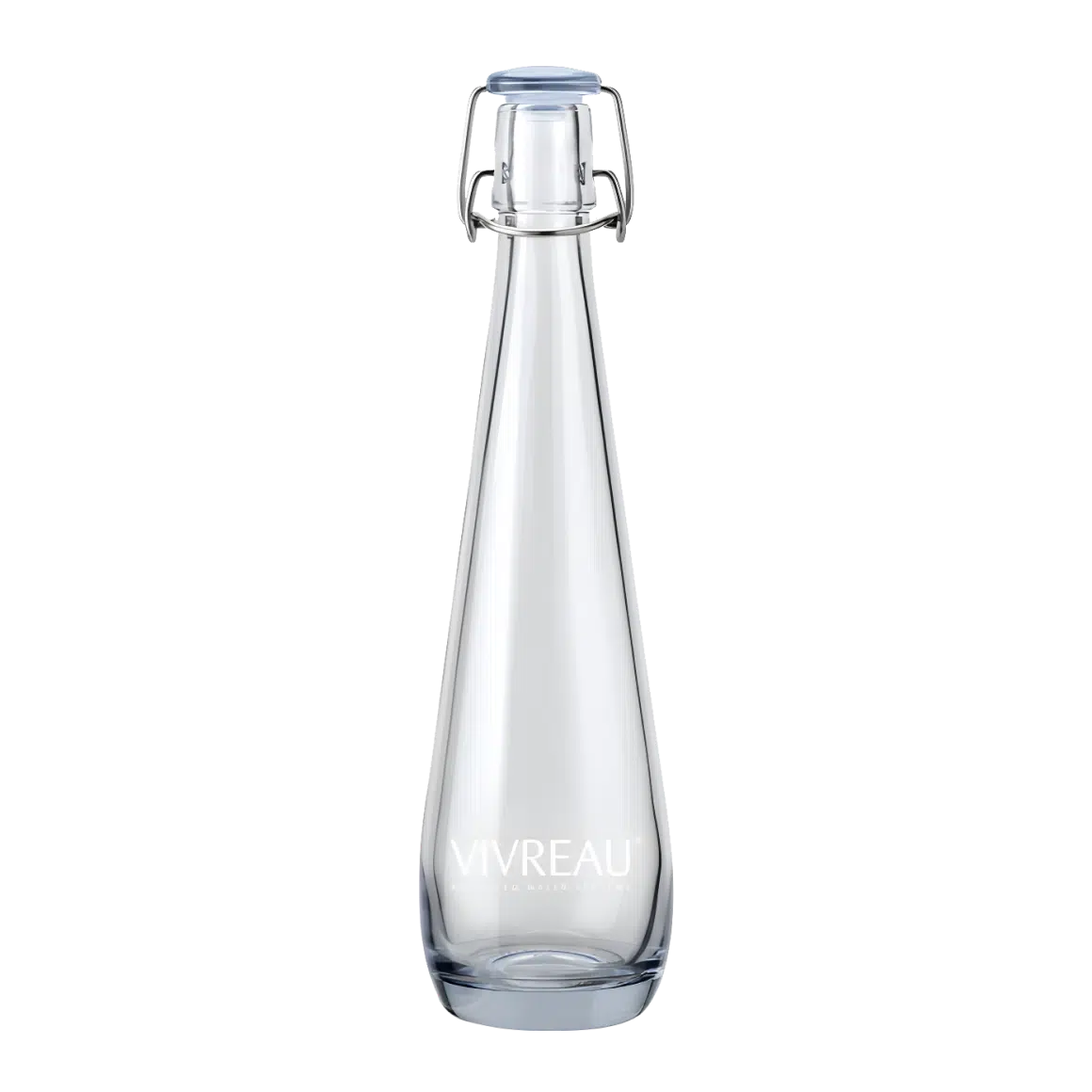
- Reusable glassware or bottles that keep the space looking organized
- Refrigerated beverage space for milk alternatives, cold brew, or grab-and-go options
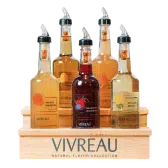
- One small hospitality-minded extra, such as flavors or infused water options
Water usually delivers the highest return because it supports so many habits at once. A sparkling water dispenser gives employees an easy alternative to packaged drinks, while hot water on demand improves tea service and speeds up everyday routines.
The rest of the setup should reinforce convenience, not add complexity. Good coffee, tea, and smarter snack choices go further than novelty appliances.
Operational and Sustainability Advantages
Amenities only stay valuable if they are easy to operate. The best office kitchen upgrades are the ones that reduce staff burden and improve the employee experience.
A plumbed hydration setup can remove the manual work tied to bottled water programs, including receiving deliveries, storing cases, restocking fridges, and dealing with empties. Those tasks add up across facilities, admin, and workplace teams. When that operational load is removed, the cost picture becomes clearer. Many organizations see water program costs drop significantly, in some cases by as much as 86%.
The sustainability side is just as concrete. Replacing bottled water can reduce waste, cut delivery-related emissions, and support office sustainability goals in a way employees can actually see. The EPA’s National Strategy to Prevent Plastic Pollution emphasizes this kind of lifecycle approach, focusing on decreasing waste generation and rethinking how materials are used in the first place.
Organizations that move to integrated water solutions have eliminated tens of thousands of single-use bottles annually, while also reducing truck deliveries and carbon emissions. That makes sustainability easier to track and easier to communicate because it is tied to a daily habit employees already see and use.
Reliability matters just as much as cost and sustainability. If a kitchen amenity is frequently down, it turns from a benefit into a complaint. That is why connected service models matter. Smart water dispensers allow for remote fixes when possible, better-prepared technician visits, and usage-based service planning, which reduces downtime.
Tips for Selecting the Right Amenities for Your Workspace
The right kitchen setup depends on how your office actually operates. Start with patterns of use, not assumptions. How many people use the space at once? What do they reach for most often? And where does the current setup create clutter, waiting, or waste?
Those answers help define what will actually get used, not just what looks good on paper.
Amenities should also reflect the culture of the workplace. A client-facing office may prioritize a more design-forward experience, while water dispensers for coworking spaces need to be able to handle high usage and less predictable demand. When the setup matches employee preferences and daily habits, it tends to drive higher satisfaction without needing constant adjustment.
From there, it becomes a balance between experience and practicality. Premium amenities should feel seamless to use, but they also need to fit within real constraints such as space, maintenance expectations, and installation requirements. Plumbing access, drainage, electrical capacity, and service clearance all play a role in what is realistic for a given layout.
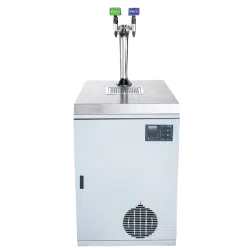
Format is where those factors come together. Integrated systems work well in larger pantry designs or spaces where aesthetics and visibility matter. They require more undercounter space and a more built-in approach. Countertop dispensers are better suited to smaller kitchens or phased upgrades because the core components are housed above the counter, which reduces the demand on undercounter space.
The best choice is the one that fits both culture and operations. If the amenity supports daily use, aligns with employee expectations, and does not create new maintenance challenges, it is far more likely to deliver consistent value over time.
Upgrade Your Office Kitchen With Water-Centric Amenities
The best office kitchen supplies do not work as isolated perks. They work as part of a daily experience that feels easier, healthier, and better designed for the people using the space. When water is treated as a core amenity, it becomes easier to build the rest of the kitchen around habits employees actually value.
Better hydration can also improve the employee experience while reducing friction tied to bottled water logistics, plastic waste, and inconsistent upkeep. For the World Bank, that shift helped eliminate almost 200,000 plastic bottles per year and supported a 43% ROI.
If you’re ready to explore premium office hydration and kitchen solutions, request a quote today.
FAQs
-
How Can Office Water Dispensers Improve Employee Satisfaction and Engagement?
They improve satisfaction by solving a daily need in a more thoughtful way. Easy access to still, sparkling, and hot water makes the office feel better equipped, supports healthier drinks, and gives employees a visible amenity they use all day.
-
What Are the Sustainability Benefits of Replacing Bottled Water With Modern Dispensers?
The biggest benefits are less single-use plastic, fewer deliveries, and less storage and disposal work for staff. It also gives organizations a clearer way to measure waste reduction and connect an everyday office decision to broader ESG goals.
-
Which Types of Office Kitchen Amenities Have the Highest Impact on Staff Experience?
The highest-impact amenities are the ones employees use constantly, especially water, coffee, tea, and well-chosen snacks. Water usually leads because it supports convenience, wellness, sustainability, and the feel of the space all at once.


