











TL;DR
Office sustainability becomes more credible when employees can see it in action every day. Rethinking water in the office kitchen can reduce plastic waste, lighten operational demands, and improve the workplace experience.
This article covers:
- Why water is a practical starting point for office sustainability
- The environmental and operational drawbacks of bottled water programs
- How premium hydration supports ESG goals and employee experience
- What to consider when implementing a more sustainable office water program
Most offices already have a water solution. The problem is that it usually relies on bottled deliveries, fridge storage, and constant refilling throughout the day. It’s a setup that quietly works against the sustainability story the company wants to tell.
That is why water belongs in the office sustainability conversation, not as a side detail, but as one of the clearest ways to connect ESG priorities to daily employee experience.
A better hydration setup does not just remove waste. It changes how the workplace feels and functions.
Why Offices Should Reimagine Water
Sustainability is now built into how companies operate, not just how they report. Deloitte’s 2025 C-suite Sustainability Report shows that most organizations are embedding sustainability into core strategy and continuing to invest in it, often with a focus on operational efficiency and measurable outcomes.
At the same time, employees expect to see that commitment reflected in everyday decisions. Deloitte research found that 69% of employees want their employers to invest in sustainability efforts, and many are willing to factor those efforts into where they choose to work.
That creates a gap that many offices are still working to close. Sustainability goals are defined at the top, but they are experienced through daily systems. If those systems still rely on single-use plastics, frequent deliveries, and manual upkeep, the operational reality does not match the intent.
Water is a practical place to close that gap. It is used constantly, shared across the workplace, and tied directly to both waste and workflow. Replacing bottled programs with a more streamlined setup reduces plastic use and delivery volume while also removing the small, recurring tasks that come with managing water day-to-day.
It also changes how the space feels. A modern, design-forward hydration setup makes sustainability visible in a way that reports and policies cannot. Instead of something employees hear about occasionally, it becomes part of the environment they interact with throughout the day, reinforcing both the workplace experience and the credibility of the company’s sustainability efforts.
The Environmental and Operational Impact of Traditional Bottled Water
Bottled water programs can look simple from a distance. Up close, they create a chain of deliveries, storage, refrigeration, restocking, disposal, and daily kitchen management that quietly absorbs time and space.
That burden matters more now that policymakers and building leaders are pushing harder on reuse and waste reduction. The US Environmental Protection Agency’s National Strategy to Prevent Plastic Pollution calls for reducing single-use plastics and expanding refill and reuse systems, which puts plastic water bottles squarely in the category of operational habits worth rethinking.
The environmental upside of making that shift is significant. A well-designed point-of-use water dispenser system can produce up to 86% fewer CO2 emissions than single-use plastic bottles and 64% fewer than traditional water coolers. That reduction comes from eliminating production, packaging, and repeated delivery cycles that bottled programs depend on.
The business case is not only environmental. Moving from bottled delivery to point-of-use systems can mean reducing the cost of a water program by 86% while cutting out the work of ordering, storing, and recycling bottles.
It also gives facilities teams cleaner metrics to report, from waste avoided and pantry space reclaimed to staff time returned to more useful work.
That is what makes water such a strong entry point for sustainable office practices. It creates measurable ESG outcomes, but it also removes friction that employees and operations teams feel right away.
Premium Hydration as an ESG and Employee Experience Win
Office sustainability programs tend to last when people genuinely enjoy the result. Hydration works because it feels like an upgrade, especially when the system is designed around how people already move through the day.
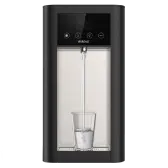
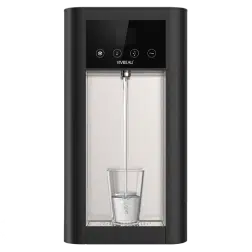
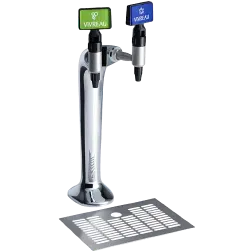
A modern office water dispenser supports that shift by making high-quality water easier to access. When still, chilled, sparkling, and hot water are available on demand, people stop working around limitations.
There is no need for kettles, bottled backups, or extra fridge space. The result is a setup that is both more convenient and more consistent, where the benefits of filtered water in the workplace start to show up in real ways, from smoother routines to a more comfortable, well-supported environment.
That convenience quickly becomes part of the workplace experience. A well-designed hydration point draws people in, whether it is a quick refill between meetings or a natural pause in the day. In client-facing offices, lounges, and shared coworking spaces, it also signals a higher standard. The space feels more intentional, and the details feel considered.
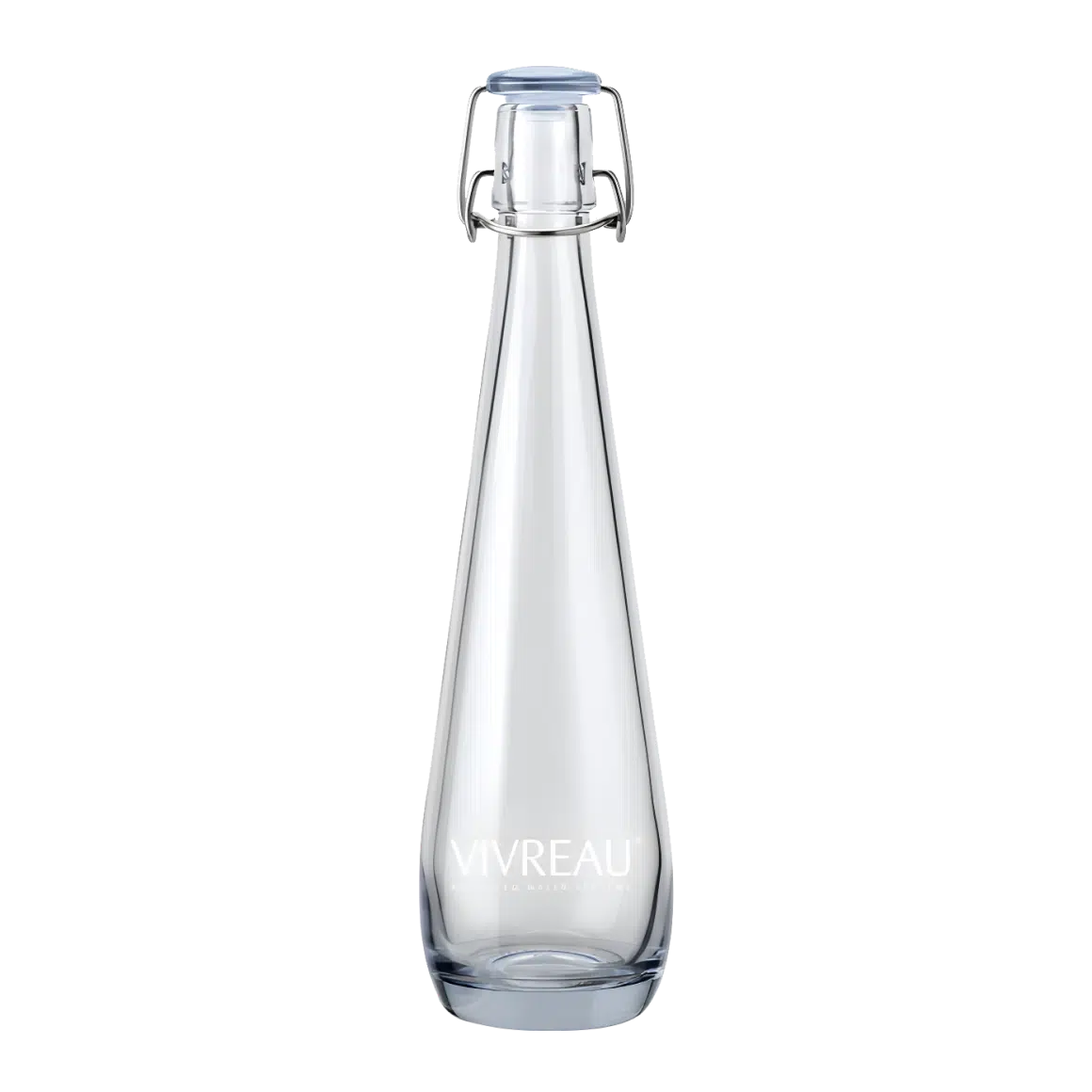
Reusable bottle programs build on that experience. Branded glass bottles or refillable options turn hydration into something that reflects company culture. They also make sustainable behavior feel natural, not forced, because employees can carry that experience throughout the day. For example, JOOLA’s office hydration program shows how a leading pickleball brand used Vivreau to create a workplace hydration experience that supports both sustainability and company culture.
From an ESG perspective, the impact is straightforward. Refillable systems reduce reliance on single-use plastics and remove the need for bottled deliveries, while still improving the overall experience of the space. That alignment is what makes hydration effective. It supports eco-friendly office initiatives while giving employees something they actually use and appreciate every day.
How to Implement a Sustainable Water Program
Most teams agree that a better setup would reduce waste and improve the kitchen experience, but they still need clear answers about cost, plumbing readiness, and installation logistics.
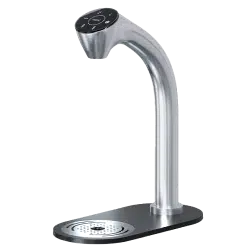
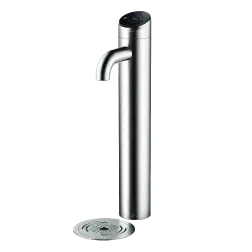
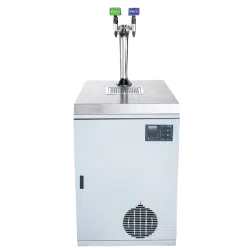
The right place to start is with the space itself. Some offices need a faster rollout with minimal disruption, which makes a countertop water dispenser a practical entry point. Others have the undercounter space and utility access to support a more integrated system that blends into a pantry, lounge, or client-facing area.
Planning should focus on layout, peak demand, and employee flow. You need to find a setup that fits how people already use the space, which is the foundation of any well-designed office water dispenser. 
From there, the question becomes fit. A smaller pantry may need a compact system with moderate output, while a larger headquarters or high-traffic environment may require a higher-capacity commercial water dispenser that can handle consistent demand throughout the day.
Evaluating throughput, service access, plumbing, power, and drainage early helps avoid the common mistake of choosing based on upfront simplicity instead of long-term fit.
Reliability also has to be part of the plan. Offices do not want another amenity that turns into a maintenance mystery. The strongest water programs tend to work because service is predictable, refills are no longer manual, and the system becomes something staff can stop thinking about.
That is where connected systems add real value. A water dispenser with built-in monitoring and usage data means issues can be identified early, maintenance can be scheduled more efficiently, and technicians can arrive better prepared. Instead of reacting to breakdowns, teams can stay ahead of them, reducing downtime and keeping the experience consistent.
A good setup reduces the time teams spend managing hydration, lowers costs, and improves the overall experience. It also makes impact easier to track, with fewer deliveries, less waste, and reduced operational friction.
Reimagine Your Office Hydration Today
The best workplace changes solve more than one problem at a time. Rethinking water can reduce waste, simplify operations, and make the office feel better for employees and visitors without turning sustainability into a lecture.
When you are ready to make office sustainability visible in the kitchen, request a quote to reimagine water in your workplace with a sustainable, premium hydration experience from Vivreau.
FAQs
-
How Can Office Water Dispensers Support ESG Goals?
They help convert broad sustainability goals into trackable operating changes. Instead of reporting only on intent, teams can measure fewer disposables, fewer deliveries, less storage devoted to bottled water, and a stronger shift toward refill behavior, all of which support office sustainability in visible, reportable ways.
-
What Are the Operational Benefits of Switching From Bottled Water to Filtered Dispensers?
The biggest gains are reduced ordering, less storage pressure, fewer fridge and pantry restocks, and less time spent dealing with empties and packaging. For many offices, the real improvement is that hydration stops being a recurring manual task and starts functioning like part of the workplace infrastructure.
-
Which Types of Water Dispensers Are Best for Reducing Plastic and Improving Office Sustainability?
The best system depends on layout, demand, and how the office wants the experience to feel. In general, plumbed setups with still, chilled, sparkling, and hot water do the most to replace bottled programs, but the right answer depends on traffic patterns, installation readiness, and whether a countertop or integrated approach fits the space better.


