











TL;DR
- The modern workplace competes on experience, not just function, and the details that signal care, including hydration, have become markers of design quality.
- Hospitality principles are reshaping what office amenities are expected to deliver, moving the bar from “does it work” to “does it feel considered.”
- Location, design intent, and context determine whether a hydration station becomes a spatial anchor or just another piece of equipment.
- Vivreau’s filtered dispensers are built for the environments they serve, delivering an average of $42K+ in annual savings, 86% CO2 reduction, and 1,115 lbs of waste reduction per dispenser per year.
Gensler’s 2025 Global Workplace Survey, which drew on responses from more than 16,800 full-time office workers across 15 countries, found that socializing in the workplace has nearly doubled since the pandemic, and time spent working with colleagues in person continues to rise.
The office is no longer a place people attend out of obligation. The ones that maintain strong in-person attendance are the ones that feel worth showing up to.
Every detail of that experience is under scrutiny now, from the quality of the café to the finish on the conference room door. And increasingly, a premium office water station is among the first things people notice when a space gets that standard right. This shift in expectations explains why premium hydration has moved to the forefront of modern office design.
Why Premium Hydration Spaces Have Become a Workplace Design Priority
The design conversation around workplaces has shifted fundamentally. Where facilities teams once asked whether the office functioned, the question today is whether it feels worth the commute.
That shift has pulled workplace hydration solutions into the design spotlight. When offices have to compete on experience to justify in-person attendance, every touchpoint matters. Office amenities for employee retention are no longer separated into “strategic” and “operational” categories. The water program is now in the same conversation as the café design and the lobby aesthetic.
For design leaders and facilities professionals, that recalibration matters. A hydration station placed at the center of a common area, with architectural intention and high-quality materials, ceases to be infrastructure. It becomes a signal about how the organization values the people inside the space.
How Hospitality Principles Are Reshaping Workplace Amenities
Hospitality design is no longer a category reserved for hotels and restaurants. According to a 2026 piece in OfficeInsight by interior designer Sarah Kuchar-Parkinson, hospitality is better understood as a mindset: before selecting a material or piece of furniture, the first question is always, “What should this space feel like?”
That lens is changing what amenity-rich workplace design trends look like in practice. Office café areas are designed to feel like hotel lobbies. Break rooms are softened with residential materials and layered lighting. And hydration stations are positioned not as equipment installations, but as moments of pause and care within the broader spatial experience.
The principle driving all of it is the same: employees have been trained by boutique hotels, elevated cafés, and thoughtfully designed retail environments to expect spaces that feel intentional. When the workplace meets that expectation, people notice. When it doesn’t, they notice that too.
For facilities managers and workplace experience leaders, “hospitality-inspired” is no longer an aesthetic direction. It is a design standard already embedded in office design trends 2026, applied across industries that would not have described themselves as design-forward even five years ago.
Why Are Premium Hydration Experiences Becoming a Hallmark of Modern Workplaces?
A premium office water station does something a standard dispensing unit cannot: it communicates organizational values without a single word.
When employees and visitors encounter a sleek, well-placed dispenser with clean lines and filtered still or sparkling water available on demand, they read it as evidence of care. The space was thought through, and their comfort was part of the brief.
 That is why designing offices with wellness amenities, including premium hydration setups, has moved from a “nice to have” to an expectation in Class A environments and corporate campuses. The WELL Building Standard, which certifies spaces for human health and wellbeing, identifies water as a core concept, recognizing access to clean, high-quality drinking water as foundational to occupant health and wellbeing.
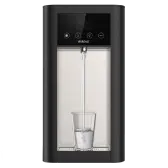
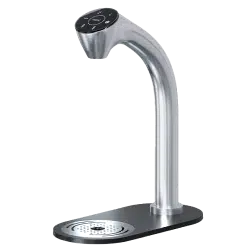
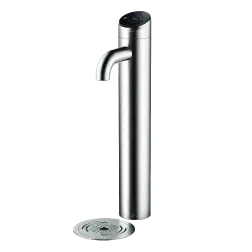
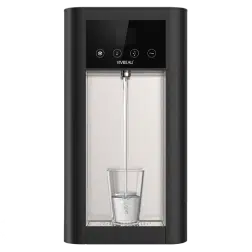
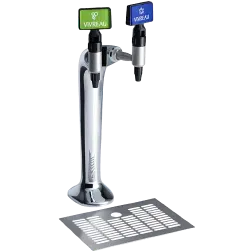
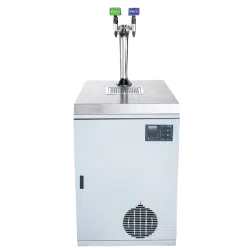
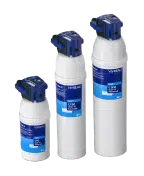
Vivreau’s filtered dispensers are designed with that standard in mind. From filtration quality to countertop footprint to available finish options, each element of the setup is designed to function as part of the space, not as an addition to it.
Hydration Stations as a Reflection of Brand and Culture
The spaces an organization chooses to invest in communicate something about who they are. A hydration setup positioned near natural light, with quality materials and a thoughtful footprint, signals a level of intentionality that extends well beyond the station itself.
Vivreau’s dispensers remove plastic waste equivalent to 144 plastic bottles per dispenser and remove 5 lbs of plastic from ocean-bound streams through a partnership with 4ocean. For organizations that want their physical space to reflect environmental values, a premium dispenser is one of the most visible and measurable ways to do it.
The environmental credentials matter to modern employees, too. The organizations that attract and retain people are often those whose spaces demonstrate tangible values alignment. A hydration station, of all things, becomes a physical proof point for brand character.
How Do Great Workplaces Create Opportunities for Connection?
The best office water station locations are determined by flow, not plumbing convenience.
The right questions are about adjacency: which corridors carry foot traffic from multiple teams, which spaces produce the kind of informal cross-departmental exchange that never gets calendared, and where people naturally pause. Positioning a hydration station at the intersection of those paths is a deliberate design decision.
It creates a low-stakes gathering point, a place where a brief check-in becomes possible without a meeting request. Spontaneous interactions like these can be meaningful drivers of collaboration and culture, and they require proximity, comfort, and something worth pausing for.
A well-placed hydration setup creates the conditions for connection, not just hydration. That is why more design teams are treating the elevated experiences a premium dispenser provides as an anchor feature in common areas, rather than a service element tucked into a back corner.
Creating a Workplace Experience People Remember
A great workspace is built from decisions that accumulate: lighting calibrated to shift through the day, materials chosen to soften acoustics, and a communal table positioned to draw people in. The hydration station fits that same logic.
Vivreau designs hydration programs for corporate offices, hospitality venues, healthcare facilities, and higher education campuses, scaling each setup to what the space demands. The result supports sustainability goals (an average 86% reduction in CO2 and 1,115 lbs of annual waste reduction per dispenser), delivers cost savings (an average of $42K+ annually), and elevates the everyday experience for everyone in the space.
The office experiences people remember are the ones where it’s clear someone thought carefully about what it would feel like to be there every day.
Ready to bring that level of intention to your space?
Request a quote and see what the right hydration program looks like for your environment.
FAQs
-
How Does Hydration Station Design Influence Employee Perceptions of Workplace Quality?
When employees encounter a well-placed, architecturally considered hydration station, it communicates that the organization made deliberate choices about their comfort and experience. Research on workplace satisfaction consistently shows that the perceived quality of the physical environment shapes how people feel about the organization itself.
-
Where Should a Premium Hydration Station Be Located to Maximize Employee Engagement and Convenience?
High-traffic intersections between different teams or work zones tend to generate the most value. The goal is to create a natural pause point that encourages brief, informal interaction, rather than a tucked-away service point people visit only when they have to. Adjacency to natural light, collaborative seating, or café areas strengthens the connection further and helps the station feel like part of the space.
-
What Role Do Hydration Spaces Play in Creating a Hospitality-Inspired Workplace Experience?
In hospitality design, every touchpoint is considered: arrival, movement, pause, and departure. A premium hydration station applies that same logic to the office.
It is a moment of comfort embedded in the daily routine, designed to feel effortless and intentional rather than utilitarian. That consistency across small moments is what distinguishes a hospitality-inspired workplace from one that merely aspires to be one.
-
How Can Premium Hydration Stations Support Workplace Culture Without Feeling Like a Traditional Office Amenity?
Placement, design quality, and context do most of the work. A sleek countertop dispenser in a lounge area, with warm materials and good light, reads as part of the space, not as equipment added to it.
Incorporating it near a café zone or collaborative area makes it feel integrated rather than installed. The difference between a dispenser and a hydration station is mostly a matter of design intent.
-
What Design Features Distinguish a Premium Hydration Station From a Standard Office Water Dispenser?
Countertop footprint, finish options, filtration technology, and the ability to dispense still, sparkling, and ambient-temperature water on demand all set premium setups apart from standard units.
Beyond function, it comes down to whether the unit was selected with the space in mind or simply specified as infrastructure. Filtration quality, NSF-certified standards, and sustainability credentials are also clear indicators of a thoughtful choice.


