









Key Takeaways
- A refreshed water management standard now requires Joint Commission-accredited hospitals and nursing care centers to document every water system in the building, including point-of-use dispensers. Many senior living communities are adopting the same documentation practice.
- The right system depends on the space. Patient rooms, waiting areas, and staff break rooms each call for a different setup, which this page maps out directly.
- Vivreau equips healthcare and senior living facilities with filtered water dispensers built to meet that documentation standard, featuring named certifications, tap hygiene technology, and accessible installation options.
Hospitals, clinics, and senior living communities don’t choose a water dispenser the way a corporate office does. Accessibility, hygiene, and documentation carry more weight for a facilities team than taste or design, and that scrutiny has only grown.
As of January 1, 2026, hospitals and nursing care centers accredited by the Joint Commission must maintain a documented water management program in accordance with the Joint Commission’s new standard.
That documentation now extends to every water-using device in the building, down to the dispenser in a waiting area or break room. For a facilities director or infection prevention lead, that means a water dispenser that a hospital purchases now needs the same documentation as any other piece of equipment on that list.
Vivreau builds filtered water dispensers for hospitals, clinics, and senior living communities with that reality in mind. This page covers the available systems, how to match one to a specific space, and what a facility needs on file before a dispenser is installed.
Filtered Water Solutions for Healthcare and Senior Living
Healthcare and senior living facilities put water access to work in a few distinct places, and each one has its own demands. Patient and guest waiting areas need a dispenser that is easy to find and use without staff assistance, making it a natural fit for boutique medical office amenities that keep the lobby feeling calm rather than clinical.
Break rooms and cafeterias serve different purposes, supporting staff through long shifts as part of the wellness center’s hydration solutions that keep a facility running.
In patient rooms and at mealtimes, filtered still and sparkling water offers residents and patients a healthy alternative to the plastic cup-and-pitcher routine common in many facilities. As residents age, hydration needs shift, which is part of why easy, frequent access matters more in senior living common areas than in almost any other area of a facility.
Every Vivreau system in this lineup draws on the same microfiltration used across the product line, delivering chilled still, sparkling, and, on select models, hot water on demand, without single-use bottles in the room.

Choosing the Right Water Dispenser for Every Hospital and Senior Living Space
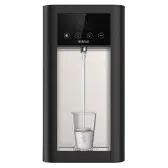
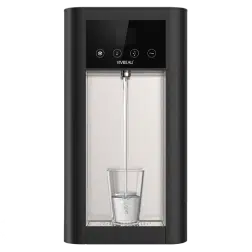
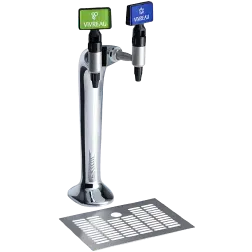
Not every space needs the same equipment. Extra C-Tap adds instant hot water alongside filtered still and sparkling water. This suits patient meal service and tea service in break rooms, where hot water is used throughout the day.
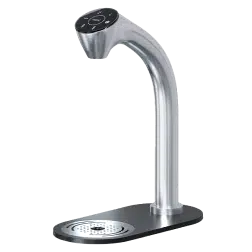
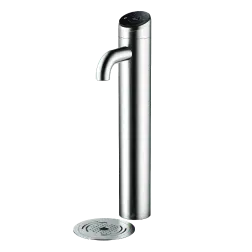
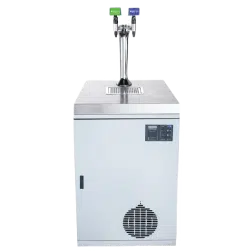
Top Pro is built for tighter footprints, available as a freestanding or commercial countertop water dispenser. It works well anywhere floor space is limited, such as a small clinic waiting room or a shared nurses’ station.
Extra I-Tap delivers four water types from a single tap and includes ThermalGate technology, making it the better fit for higher-traffic spaces like dining halls and senior living common areas. All three are available to rent or buy, so a facility comparing water dispenser rental against ownership can size the decision around budget cycles rather than defaulting to one path.
The table below maps common healthcare and senior living spaces to the system that best fits:

Top Pro
Space: Patient and guest waiting areas
Why it fits: Compact footprint, freestanding or countertop, self-serve without staff assistance

Extra C-tap
Space: Break rooms and cafeterias
Why it fits: Instant hot water for tea and staff meals alongside filtered still and sparkling water

Extra I-tap or Top Pro
Space: Patient bedside and mealtimes
Why it fits: Fills a personal bottle quickly during rounds or meal service, no pitcher refills

Extra I-tap
Space: Senior living common areas
Why it fits: Supports assisted living hydration solutions with accessible, low-maintenance daily use
Hygiene and Accessibility Built Into Every System
Two features carry particular weight in a healthcare or senior living setting, and both are built into the equipment rather than bolted on.
Top Pro, Extra I-Tap, and Extra C-Tap systems include ThermalGate technology, which automatically and regularly heats the tap to reduce germ buildup between service visits. It is a passive safeguard built into the hardware itself, running in the background without staff intervention.
For facilities where mobility is a daily consideration, the optional Easy Access Panel lowers the reach range on Top Pro, Extra I-Tap, and Extra C-Tap systems. It allows a wheelchair user to fill a bottle or cup independently, without bending, stretching, or waiting on staff. The panel configuration is specified by the facility at installation, and its exact placement should be confirmed against the accessibility requirements of the space it serves.
On the materials side, Vivreau’s water dispensers and wetted components carry Intertek and NSF certification. A facility documenting its water systems for accreditation purposes should request the specific certificate for the model being installed, since certification scope can vary by component.
Standards and Documentation for Facility Water Systems
Healthcare facility water management has a new baseline in 2026. The Joint Commission folded its long-standing water safety expectations into a single standard, PE.04.01.05, effective January 1, 2026. It requires hospitals and nursing care centers to maintain a documented water management program that addresses Legionella and other waterborne pathogens throughout the building.
The Centers for Medicare and Medicaid Services has expected a similar program since a 2017 guidance memo that points facilities toward the ASHRAE 188 framework for building water systems. A broader standard, ASHRAE 514, was published in 2023 and expands on 188. CMS has not folded it into current facility requirements, so the newer ASHRAE standard remains a reference point rather than a requirement.
This does not make a point-of-use drinking water dispenser a control measure for building-wide water risk, nor does Vivreau position it as one. It simply means hospitals and nursing care centers are now cataloging every water system on the property, with a dispenser as one line in that catalog.
Senior living communities are not bound by the same accreditation requirements, but many are adopting similar documentation practices, particularly where a community also operates licensed nursing care.
What a facility actually needs from a supplier is straightforward. It comes down to named certifications for the equipment and its wetted components, a documented installation record, and a recorded service and sanitization schedule available on request.
Vivreau’s water dispenser service program is built to produce exactly that paperwork. It covers commercial water dispenser service visits, filter changes, and sanitization on a set schedule that a facility can hand to a surveyor.
Proven in a Hospital Setting
Centra Virginia Baptist Hospital installed Vivreau systems in its pre-labor and post-labor units, and bottled water delivery to the facility stopped entirely once the dispensers were in place. The hospital folded the program into Healthworks, its employee wellness initiative, extending water access to both staff and patients.
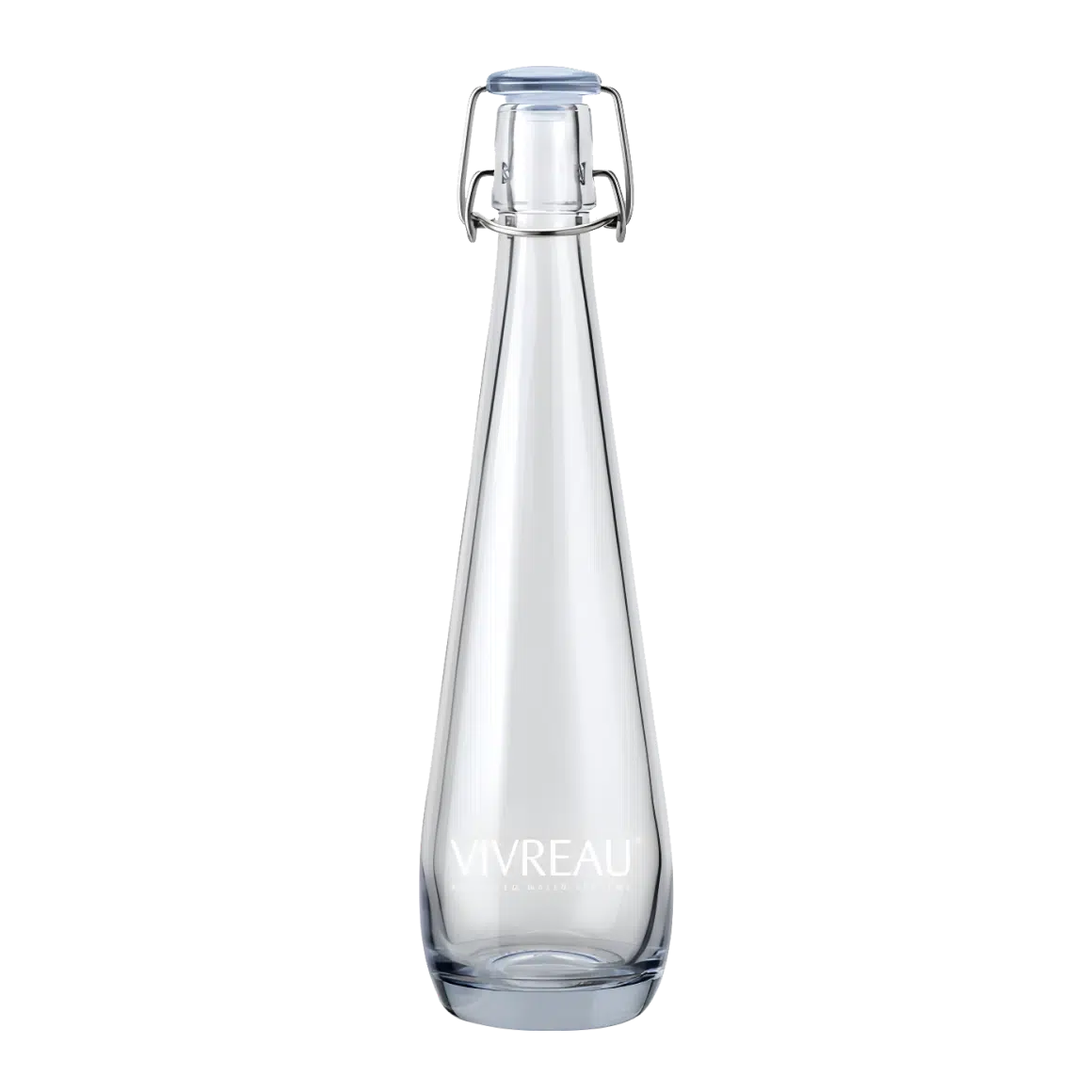
Timothy Schoonmaker, System Director and Executive Chef at Centra, put it simply. Hygiene mattered to the team, and the water’s quality and taste held up. Custom Centra-branded bottles added a further detail, giving the program a hospital-specific identity rather than a generic amenity feel.
Results like this, a specific, named example from one facility, are why hospitals, clinics, and senior living communities work with Vivreau.
Continuous Monitoring With the iQ Solution
Vivreau’s iQ Solution adds remote monitoring on top of the hardware itself. Instead of a facility discovering a problem after it has already disrupted service, iQ tracks dispenser performance continuously and flags issues early.
That gives Vivreau’s service team the information needed to arrive prepared rather than to diagnose on-site. For a facility already documenting its building systems, that monitoring history becomes one more record available on request.
Request a Quote for Your Facility
A water dispenser is a small line item in a much larger documentation effort, but it is one that a facilities team can get right without guesswork. Vivreau’s healthcare and senior living systems come with named certifications, accessible installation options, and a documented service schedule built in from the start.
Request a quote to find the right Vivreau setup for your hospital, clinic, or senior living community.
FAQs
-
What Should a Hospital Look for When Specifying a Point-of-Use Water Dispenser?
A hospital should confirm the certifications held by the unit and its wetted components, the accessibility configuration available for the installation site, and whether the supplier can provide a documented service and sanitization schedule. These are the details a facilities team typically needs on file, separate from taste or design considerations that matter more in a lobby than a specification review.
-
Which Certifications Should a Water Dispenser Hold for Use in a Healthcare Facility?
Vivreau’s water dispensers and wetted components are Intertek- and NSF-certified. A facility documenting its equipment for accreditation purposes should request the specific certificate for the model being installed, since the certification scope can differ from one component to the next within a single system.
-
How Is a Dispenser Installed So Wheelchair Users Can Fill a Bottle Independently?
The optional Easy Access Panel is available on Top Pro, Extra I-Tap, and Extra C-Tap systems. It lowers the reach range so a wheelchair user can fill a bottle or cup without bending, stretching, or staff assistance. Facilities should confirm panel placement against the specific accessibility requirements of the installation site.
-
What Does the Equipment Do About Tap Hygiene Between Scheduled Services?
Top Pro, Extra I-Tap, and Extra C-Tap systems include ThermalGate technology, which automatically and regularly heats the tap to reduce germ buildup between service visits. It runs continuously in the background, without requiring staff to take any action between scheduled maintenance.
-
How Do the Requirements Differ Between an Acute Hospital and a Senior Living Community?
An acute hospital typically prioritizes high-throughput systems near patient rooms and dining halls, along with tight documentation for accreditation surveys. A senior living community more often prioritizes accessibility and ease of daily use in common areas, with documentation requirements that are generally lighter but still worth keeping on file for internal recordkeeping.
Latest Posts


