








TL;DR
- WELL Building certification from IWBI scores buildings across 10 health concepts. Water is one of them, with required quality thresholds and optimization features available toward Bronze, Silver, Gold, or Platinum levels.
- This piece covers how the Water concept works, what filtration and dispenser choices mean for specific features, and what a practical water planning process looks like for WELL projects.
- The building earns the certification, not the products. The right water system provides the project team with a clear path to meet Water Concept requirements.
- WELL and LEED have an official crosswalk. A well-specified water program can support requirements in both frameworks from a single infrastructure decision.
WELL Building certification has become a mainstream healthy-building standard for corporate offices, healthcare facilities, and enterprise campuses. Administered by the International WELL Building Institute (IWBI), the WELL v2 standard evaluates a project across ten concepts, one of which is Water.
The water system decisions a team makes during design directly determine whether the project can meet the Water concept’s requirements and take advantage of available optimization points.
For facilities managers, designers, and sustainability leads scoping a WELL project, the water program is not a late-stage detail. The preconditions and optimization features that determine certification outcomes depend on how the water program is planned.
The filtration chosen, how well it matches the incoming water quality, and where dispensers are placed all shape whether the project can meet Water Concept requirements. Those decisions are most useful when they happen early, with certification requirements in view.
Vivreau is an IWBI member with experience supporting WELL Water Concept goals in certified projects. This piece covers what the Water concept requires, how filtration and dispensing choices connect to specific features, and what a practical planning process looks like for the team responsible for getting water right.
WELL Building certification is a healthy-building rating from the International WELL Building Institute (IWBI) that scores a project across ten concepts, one of which is Water. To be certified, a project must meet the required preconditions and earn optimization points, with levels ranging from Bronze to Platinum. Water contributes through features covering drinking water quality (contaminant thresholds) and drinking water promotion (easy access to good-tasting water over less-healthy alternatives). Buildings earn the certification, not products, but the right water system helps a project team meet the water features and pursue the points.
What WELL Building Certification Is
WELL v2 is administered by IWBI and evaluates buildings across ten health-related concepts. The ten concepts are Air, Water, Nourishment, Light, Movement, Thermal Comfort, Sound, Materials, Mind, and Community.
Each concept includes required features, called preconditions, that every project must meet, as well as optional optimization features that earn points toward higher certification levels. Altogether, WELL v2 comprises 108 features across those ten concepts.
Projects can earn up to 12 points per concept and 100 points total across four certification levels:
- Bronze certification requires 40 points
- Silver certification requires 50 points, with at least one point earned per concept
- Gold certification requires 60 points, with at least two points earned per concept
- Platinum certification requires 80 points, with at least three points earned per concept
After the project is submitted, a WELL Performance Testing Agent conducts Performance Verification to confirm that the requirements documented in the submission are met in the built environment.
There is one distinction worth understanding before starting. The building or project earns WELL certification, not the products installed in it.
A water system, a filtration unit, or any other piece of equipment supports specific WELL features by helping the project meet those requirements. Selecting a particular product does not guarantee points. What the right water system does is provide the project team with a practical path to meet the water-related requirements of WELL sets.
For organizations building a healthy-building strategy around corporate wellness and drinking water, WELL v2 provides a framework with measurable, third-party-verified outcomes. The Water concept is where a project team’s water infrastructure decisions carry direct, documented weight.
Where Water Fits in the WELL Standard
The WELL v2 Water concept covers the quality, distribution, and control of drinking water throughout a project. It addresses two areas that water system planning directly shapes. One is the quality of the water delivered at the point of use. The other is how that water is made accessible to the people in the building.
On the quality side, the Water concept sets required contaminant thresholds that delivered drinking water must meet at the point of use, not just where it enters the building. These include limits for lead, arsenic, cadmium, and chromium. Filtration is the practical mechanism for meeting these thresholds when incoming water does not already comply.
Properly specified office water filtration removes chlorine, fine particulates, and other compounds while retaining beneficial minerals. Water reaching occupants can meet WELL requirements regardless of what the municipal supply delivers. The key is matching the filtration approach to the actual composition of the incoming water, which means testing the source water before specifying treatment rather than after.

On the access side, WELL v2 includes optimization features that reward making quality drinking water easy to reach over less-healthy alternatives. The logic is behavioral. When filtered water is convenient, good-tasting, and readily available at key points throughout a building, occupants use it consistently.
That pattern of use is exactly what the access and promotion features are designed to encourage. WELL formalizes the connection between employee wellbeing and water access through specific requirements around placement, availability, and taste. Well-positioned dispensers offering still, sparkling, and hot water on demand support both the behavioral intent and the documented access these optimization features reward.
How the Right Water System Supports the Points
A water system does not earn WELL points independently, but the right system makes the team’s job of earning them significantly more manageable.
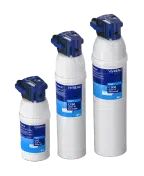
Filtration supports the quality preconditions by ensuring that water delivered at the point of use meets the contaminant thresholds set by WELL. Vivreau’s Professional filtration removes common contaminants while retaining beneficial minerals, giving project teams confidence that the water program addresses the quality side of the Water concept.
For teams evaluating water filters against WELL requirements, the match between incoming water quality and filtration output is what Performance Verification will ultimately examine. Not just whether a filter is present, but whether it was specified to address the site’s actual water quality conditions.
On the access and promotion side, the case for workplace hydration solutions that provide still, sparkling, and hot water on demand goes beyond variety. When occupants have appealing, high-quality drinking water available at well-placed points throughout a building, they use it consistently. Placement matters.

Dispensers placed in high-traffic corridors, collaborative areas, and break rooms provide consistent, documented access that WELL rewards. Taste matters too. Clean, cold, off-flavor-free water performs better than less-healthy alternatives, even when the water carries the taste of aging infrastructure or inconsistent treatment.
Hygiene and reliability round out the picture. WELL requires that water quality be maintained over time, not just at initial testing. Vivreau’s ThermalGate technology regularly heats the tap to help protect against external contamination.
The Vivreau iQ Solution’s proactive monitoring and remote diagnostics keep dispensers operational through the periods when consistent access matters most. A system that goes down during a certification audit window creates an avoidable operational problem. Connected serviceability and proactive maintenance help prevent it.
Water, WELL, and the Broader Sustainability Picture
WELL v2 does not exist in isolation from other green building frameworks. For project teams already working toward LEED, IWBI, and USGBC, the USGBC has published an official LEED v4/WELL v2 crosswalk that identifies where LEED credits can assist in meeting WELL features, and vice versa. The relationship between LEED certification and water efficiency, and WELL’s Water concept is documented and real.
Both frameworks address water quality management and occupant access, though through different requirement structures. Teams pursuing dual certification can often find that a single water infrastructure decision meets requirements in both programs.
For organizations pursuing WELL independently of LEED, the water program still contributes to a broader sustainability story for the office. Replacing a bottled water program with a mains-fed filtration system removes single-use plastic from daily operations and reduces the logistics footprint of delivery, storage, and disposal. Vivreau’s systems deliver an average 86% reduction in CO2 compared to single-use plastic bottles, and each dispenser reduces plastic waste by an average of 1,115 lbs per year.
Whether a project pursues WELL, LEED, or both, the water program is a measurable component of a healthier, more sustainable building. The infrastructure choices made at the design stage determine how well the team can substantiate that claim in both Performance Verification and stakeholder reporting.
Planning Water for a WELL Project
For facilities, design, and sustainability teams, the water system is most valuable when it is incorporated into the conversation at the design or pre-construction phase. Getting the water program right early means the broader WELL strategy can account for it before rough-ins are finalized.
The practical planning sequence starts with testing the incoming water. Understanding the building’s supply is the foundation. Testing for hardness, alkalinity, total dissolved solids, and any site-specific water quality concerns determines which filtration approach is right and whether it addresses the contaminant thresholds WELL requires.
That match between incoming water and treatment type is not something to spec generically. Water quality varies significantly by location, and filtration that performs well in one building may be underspecified or mismatched for another. Testing first means the filtration recommendation is grounded in actual site data rather than assumptions based on regional norms.
From there, size the filtration for the project’s usage and plan dispenser placement with access in mind. WELL rewards consistent, documented accessibility, which means placement decisions carry real weight. High-traffic corridors, break rooms, café areas, and collaborative zones are where water dispensers provide consistent access, as WELL’s promotion and access features reward.
For multi-building or phased campus deployments, start with high-traffic buildings that are site-ready. The most common timeline delays in larger WELL projects come from discovering water line, drainage, or code requirements mid-project. An early site-readiness assessment identifies these issues before they affect the installation schedule and the broader facilities management and operational efficiency timeline.
Document everything with Performance Verification in mind throughout. The filtration spec, incoming water test results, dispenser placement rationale, and ongoing maintenance schedule all become part of the evidence package that a WELL Performance Testing Agent reviews. Teams that treat documentation as a design task rather than a post-installation catch-up arrive at verification with fewer gaps and a cleaner submission.
How Vivreau Supports WELL Water Features
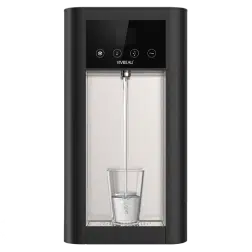
Vivreau’s mains-fed taps and Professional filtration are built for the environments where WELL projects happen: corporate offices, healthcare facilities, higher education campuses, and enterprise accounts across the US and Canada. As an IWBI member, Vivreau brings both the product infrastructure and the project experience that WELL-aligned water programs require.
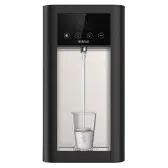
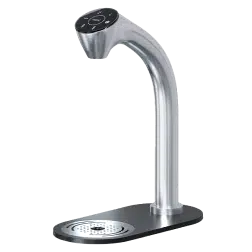
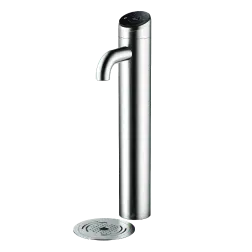
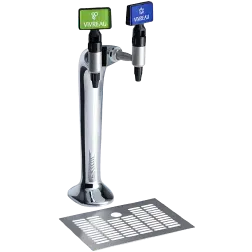
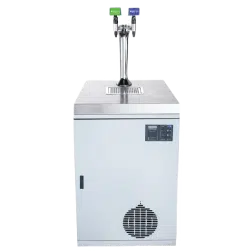
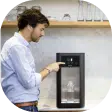
The Extra C-Tap, equipped with a sub-micron filter, supports drinking water quality goals by removing common contaminants while retaining beneficial minerals. Still, sparkling, and hot water on demand from a single tap supports access to and promotion of drinking water, putting high-quality water where building occupants will actually reach for it.
ThermalGate tap hygiene technology and HygienePlus’ connected monitoring support the ongoing reliability and consistent access that WELL’s water quality requirements extend beyond initial verification.
The proof point is in practice. BCCI Construction’s San Francisco headquarters became the first WELL v1 Certified project in San Francisco. The Vivreau Vi Tap, equipped with a premium sub-micron filter, supported the project’s WELL Water Concept goals by helping address water quality, contaminants, water treatment, testing, and drinking water promotion requirements.
While WELL v2 differs in structure from v1, the core Water Concept goals carry through both. Both versions require quality water at the point of use and consistently accessible drinking water throughout the building. Vivreau’s filtration and dispensing approach addresses both.
Request a quote to plan the water component of your WELL project with a team that has supported WELL Water Concept goals in certified buildings.
FAQs
-
Does a Water System or Dispenser Earn WELL Points on Its Own?
No. WELL certification is earned by the building project, not by individual products. A water system supports specific WELL features by helping the project meet the Water concept’s requirements for quality and access.
Whether those features translate into points depends on the project’s overall submission, the specific optimization features pursued, and the outcome of Performance Verification by a WELL Performance Testing Agent.
The right system makes it meaningfully easier for the project team to meet those requirements, but it does not carry or transfer points independently. The team earns the certification through the choices they make and the documentation they submit. Selecting the right water system at the right stage of design is where the product decision becomes a certification strategy decision.
-
Which WELL Water Features Do Drinking Water Quality and Access Relate To?
WELL v2’s Water concept includes required preconditions that set contaminant thresholds for substances including lead, arsenic, cadmium, and chromium. Those thresholds apply to water delivered at the point of use.
Alongside those preconditions, WELL v2 includes optimization features for drinking water promotion that reward making quality water easy to access and genuinely appealing compared to less-healthy alternatives.
Filtration addresses the quality preconditions. Well-placed, on-demand dispensers providing still, sparkling, and hot water address the access and promotion optimization features that contribute points toward Bronze, Silver, Gold, or Platinum certification. Both the precondition and optimization sides of the Water concept depend on infrastructure decisions made early in the design process.
-
What Water Quality Thresholds Does WELL Set for Drinking Water?
WELL v2 sets specific maximum contaminant levels for inorganic compounds, including lead, arsenic, cadmium, and chromium, as well as thresholds for organic and agricultural contaminants and public water additives such as chlorine. These limits apply at the point of use, meaning the water must meet them as delivered to building occupants, not just as it enters the building from the municipal supply.
Filtration is the standard mechanism for meeting these thresholds when incoming water does not already comply. IWBI publishes the full contaminant list and threshold values in the WELL v2 feature library at wellcertified.com, which is the authoritative source for teams confirming specific limits for their submission. A proper site water test before specifying filtration ensures the treatment approach matches the actual incoming water conditions, not assumptions based on general regional standards.
-
How Does Drinking Water Access or Placement Factor Into WELL Certification?
WELL v2 includes optimization features for drinking water promotion that reward making quality water accessible throughout a building. Placement, availability, and taste are the practical factors that determine whether a water program genuinely supports these features.
Dispensers positioned at high-traffic points where multiple teams converge create consistent, documented access throughout the workday. On-demand still, sparkling, and hot water increases the likelihood that occupants use the system rather than defaulting to less-healthy alternatives.
Taste and quality reinforce that behavior. Clean, cold water free of off-flavors is genuinely preferred. That preference is the behavioral outcome these optimization features are designed to support, and teams can document it as part of their WELL submission.
-
Can Filtered Dispensers Support Both WELL and LEED Goals in the Same Project?
Yes. IWBI and USGBC have published an official LEED v4/WELL v2 crosswalk that identifies how meeting LEED credits can support WELL features, and how achieving WELL features can support LEED credits. Both frameworks address water quality and occupant access, though through different requirement structures.
For project teams pursuing dual certification, a filtration and dispensing system that meets WELL’s drinking water quality preconditions and supports the access and promotion optimization features will typically also align with relevant LEED water-related credits.
Consulting the crosswalk document before finalizing the water system spec helps teams identify where one infrastructure decision supports both programs, reducing redundant documentation and streamlining the certification process overall.
Latest Posts


