









TL;DR
A modern hotel water dispenser can elevate the guest experience, reduce operational friction, and support sustainability goals in a way guests actually notice.
This article covers:
- How visible hydration amenities can strengthen guest perception
- Why design, convenience, and water options matter in hotel spaces
- The operational and sustainability benefits of moving away from bottled water
- What to evaluate when choosing the right system for your lobby or guest areas
A premium hotel stay is built on details that feel effortless to the guest and intentional to the operator. A modern hotel water dispenser plays into that by solving small but noticeable friction points.
Guests can refill a bottle as they head out for the day, grab sparkling water in a lounge instead of waiting on service, or access hot water on demand without calling staff. These moments might seem simple, but they shape how easy and comfortable the stay feels.
That connection between convenience and perceived value is important. JD Power’s 2025 North America Hotel Guest Satisfaction Index study shows that amenities still play a measurable role in how guests evaluate their experience, especially when they are visible and easy to use.
Hydration is no longer just a back-of-house issue. In many hotels, it now lives in the lobby, on guest floors, in lounges, in wellness spaces, and around meetings and events. When it is planned well, it can reduce staff burden, support sustainability goals, and create one more visible sign that the property has thought through the guest experience from end to end.
This article looks at why guests notice modern hydration, how design and convenience elevate the stay, what operational benefits matter most, and how to choose a setup that fits the realities of your property.
Modern Amenities That Guests Notice
Guests rarely separate convenience from quality. They feel both at once, especially in hospitality, where the best amenities make a stay easier without asking the guest to think about the effort behind them.
That is why a hotel lobby water dispenser can do more than solve a practical need. It can become part of the welcome experience. It is a visible sign that the property has moved beyond disposable basics and toward something more thoughtful.
In real hospitality settings, that can look like refill points near the lobby for guests heading out for the day, reusable bottles placed in rooms, and guest-floor hydration stations that feel built into the rhythm of the stay.
McKinsey’s work on exceptional hotel customer experience points to the same underlying truth: memorable hospitality is shaped by the cumulative impact of thoughtful touchpoints, not just the headline amenities.
This is also where sustainability comes in. Guests respond more strongly when the environmental benefit is visible and useful, not just stated on a placard.
Booking.com’s 2025 sustainability research found that 93% of travelers want to make more sustainable travel choices, and 58% are actively changing their habits to do so. A visible hydration program supports that shift best when it improves the stay at the same time, which is why many hotels are rethinking how small, visible upgrades can enhance guest experience and sustainability together.
When hydration is easy to find, pleasant to use, and clearly part of the hotel’s overall standard, it stops feeling like a utility and starts feeling like an amenity guests actually notice.
Elevating Guest Experience Through Design and Convenience
When hydration is visible, design matters. Anything placed in a lobby, lounge, or wellness area becomes part of the environment, which means it has to work functionally and aesthetically at the same time.
A well-chosen water dispenser can support the architecture of a space instead of interrupting it. Sleek, design-forward systems help hospitality teams avoid the visual clutter that comes with cases of bottled water, ad hoc refill stations, or equipment that feels more institutional than guest-ready.
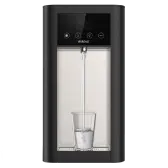
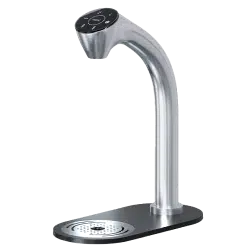
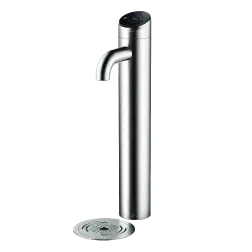
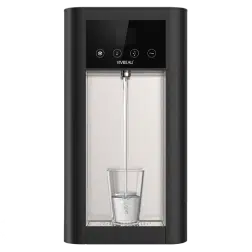
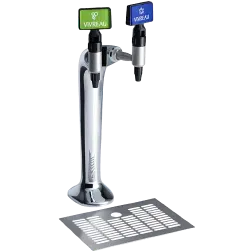
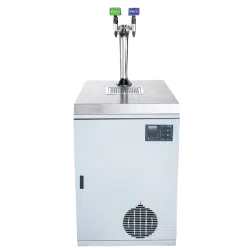
In practice, hotels often choose between countertop dispensers and integrated systems depending on the space. Countertop dispensers can work well in smaller service areas or where installation flexibility is important, while integrated taps create a more seamless, built-in look for high-visibility spaces like lobbies and lounges.
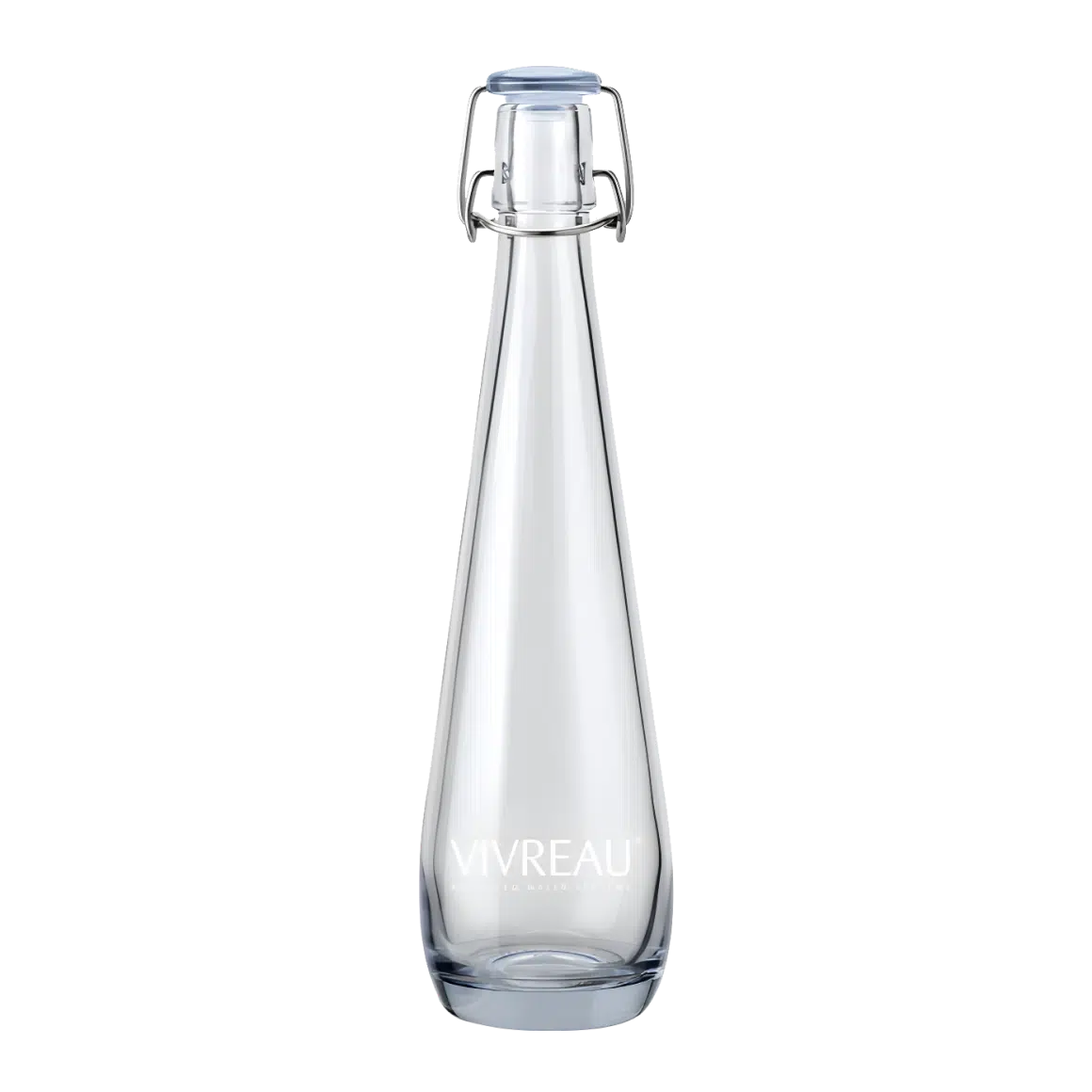
Guest-floor refill points, lounge installations, and reusable bottle programs all help make hydration feel aligned with the property’s overall look and tone. At , for example, on-floor refill stations and glass bottles in each room help make premium hydration feel like a natural part of the guest experience.
Convenience matters just as much as appearance. On-demand still, sparkling, and hot water removes friction for guests and staff alike, while a sparkling water dispenser in a lounge or restaurant adds a layer of quality that people tend to remember.
In many hospitality settings, a few patterns show up consistently. Guests notice the taste. Staff values the ease of use. Reusable, branded glass bottles make the experience feel more polished in guest rooms, conference areas, and wellness spaces.
When those details come together, hydration becomes part of the atmosphere of the stay, not just part of the logistics behind it.
That is the shift hotels should be aiming for. Hydration should feel like a natural extension of the property’s design, service style, and standard of care.

Operational and Sustainability Advantages
What guests experience on the surface usually reflects a much larger operational decision behind the scenes. For hotel teams, the strongest case for a better hydration setup often starts with what disappears: fewer deliveries, less storage pressure, fewer manual refills, and less time spent making bottled-water service look presentable.
Packaged-water programs create hidden work. Someone has to receive cases, move them, store them, restock them, and clean up after them. A stronger hotel setup reduces that burden while keeping hydration more visible and more consistent.
Moving away from bottled-water programs can reduce the cost of a water program by 86%, cut CO2 by 86% compared to pre-bottled water on average, and reduce waste by 1,115 pounds per year for one dispenser on average.
Those gains can scale quickly. At Auberge Saint-Antoine, switching to an on-site hydration system eliminated 60,000 single-use plastic bottles per year, along with more than 60 delivery trips annually.
Hotels and hospitality venues using bottleless systems also experience simpler day-to-day workflows, fewer interruptions, and a more reliable guest-facing standard once hydration is no longer tied to cases and restocking.
Reliability matters just as much as labor savings because downtime is highly visible in hospitality. If a guest-facing station is out of service, it becomes part of the stay in the worst possible way. This is where connected serviceability and proactive monitoring make a difference. These systems track performance in the background, flag potential issues early, and allow service teams to respond before guests are affected.
The same goes for hygiene. Features such as ThermalGate tap disinfection and smart service platforms are important because they help keep public-facing hydration stable, clean, and easier to manage over time.
The result is not just a greener program or a cheaper one. It is a more dependable experience for both guests and staff.
Vivreau ThermalGate
Choosing the Right Hotel Water Dispenser System
A good commercial water dispenser buying decision starts with the property you actually operate, not the most appealing product page. Guest volume, service style, visibility, and physical constraints all shape what the right hotel water solution looks like.
Start with throughput and placement. A boutique lobby, a busy breakfast area, a spa, and a guest-floor landing do not need the same capacity or configuration. Some spaces benefit from integrated tap installations that feel native to the design. Others are better served by a countertop water dispenser that fits a smaller footprint or existing conditions more easily.
From there, focus on how the system needs to perform day to day. Peak demand, guest flow, and usage patterns will determine capacity, while the types of water offered shape the overall experience. Some properties only need chilled still water in visible public areas. Others benefit from adding sparkling water and instant hot water for guest convenience.
Installation planning should be part of the decision, too. Plumbing access, drainage, power supply, ventilation, and available space all influence what is feasible in each location. In many hotels, existing infrastructure, such as ice machine water lines, can simplify placement, but older buildings or tight back-of-house areas may require more careful coordination.
Operational support also matters. A well-supported system with proactive maintenance and clear service coverage helps reduce downtime, keeps performance consistent, and ensures the experience holds up reliably over time.
The best water dispenser choice is the one that feels simple to guests because the planning behind it was thorough. When capacity, design, installation, and support line up, the system becomes one of those details people appreciate without ever needing to think about why it works so well.
When Hydration Becomes Part of the Stay
The best hotel amenities do not call attention to themselves with noise. They simply make the property feel easier, more polished, and more intentional from the first interaction to the last.
That is what a modern hydration program can do when it is designed around the guest journey and supported operationally behind the scenes.
For hotels looking to replace plastic water bottles and outdated service patterns with a more premium, reliable experience, the next step should be just as practical as the system itself: Request a quote to design a premium Vivreau hydration program for your hotel.
FAQs
-
Can Hotel Water Dispensers Improve Guest Satisfaction?
Yes, when they make hydration easier to find, easier to use, and more consistent with the standard of the property. Guests already place value on amenities and room experience, and well-placed hydration adds to that broader perception of care and convenience.
-
Are These Systems Environmentally Friendly?
They can be, especially when they replace packaged water and support reusable bottle programs or on-site bottling. The strongest case is the measurable one: less waste, fewer deliveries, and a more visible sustainability story that also improves the stay.
-
How Do I Choose the Best Water Dispenser for My Hotel Lobby or Guest Spaces?
Start with guest volume, visibility, and physical requirements, then choose features that match how the space is actually used. A quiet lounge, a high-traffic lobby, and a guest-floor station may all need different formats, capacities, or bottle strategies.


