







TL;DR
If you want people to choose healthier drinks at work, the key is providing employees options that taste good, feel premium, and are easier to grab than a soft drink.
This article covers:
- Why healthier beverage choices matter for energy, focus, and workplace experience
- Which healthy drinks employees are most likely to choose in practice
- How a premium office hydration setup can make better habits feel effortless
- What to plan for before rollout, including cost, installation readiness, and maintenance
Healthy beverage choices at work need to do more than check a wellness box. They need to be easy to grab, enjoyable to drink, and well-suited to the kind of workplace experience companies want to create.
That is why more organizations are rethinking what sits at the center of their hydration program. When employees have access to great-tasting still water, sparkling water, and other low-sugar options on demand, healthier habits feel less like effort and more like the natural choice.
Why Healthy Beverage Options Matter in the Workplace
Healthy beverage options influence the workday in small, repeated moments. The CDC notes that frequent consumption of sugar-sweetened beverages is linked to negative health outcomes, which makes the workplace beverage mix more important than it may seem.
Access is a big part of the equation. The AHA’s food and beverage toolkit emphasizes making healthy drinks visible and appealing, which is exactly why convenience tends to drive adoption more than good intentions alone.
There is also an experience layer to this. A well-designed hydration point signals that your workplace is built for how people actually move through the day, not just for minimum function. Design-forward amenities, like new water dispensers, can make a simple daily habit feel like a real upgrade.
Sustainability adds another reason to rethink the drink lineup. The EPA reports that containers and packaging make up a major share of municipal solid waste, so moving away from packaged soft drinks and single-serve bottles can support both environmental goals and simpler operations.
Popular Healthy Alternatives Employees Actually Choose
The best healthy alternatives to soft drinks are usually the ones that do not ask people to change too much at once. Filtered still and sparkling water are the clearest examples of the best water to drink at work. They feel familiar, refreshing, and easy to choose, especially when the taste is clean and the water is consistently cold.
That is why a sparkling water dispenser often outperforms more complicated beverage programs. It keeps the ritual people like about soft drinks while cutting the sugar, and it doesn’t rely on novelty to stay interesting.
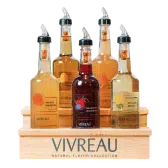
Infused or naturally flavored water can also work well, but the key is restraint. Subtle citrus, cucumber, or berry notes tend to land better than anything that feels like a gimmick. People want a drink that feels better than plain water, not a wellness detour they try once and forget.
Low-sugar beverages still have a role, but they are usually strongest as a backup option. If your goal is long-term behavior change, water should stay at the center of the program. That is what gives people a healthier drink they can choose every day without creating more complexity for facilities or workplace teams.
How Premium Water Dispensers Transform Offices
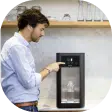
A premium hydration setup changes behavior by removing friction. When employees can get still, sparkling, or hot water on demand from an office water dispenser that looks good and works reliably, healthier drinks stop feeling like the compromise choice. They become the obvious one.
The way the system is configured needs to match how the space is actually used. Layout, team size, and peak demand all shape what works in practice, especially in offices where water dispensers are located in more social or client-facing areas.
Research shows that 46% of workers say access to hot and cold drink facilities helps facilitate conversations at work, and 50% report improved productivity after taking a tea or coffee break. That shows that hydration is part of how people connect and reset during the day, not just something functional.
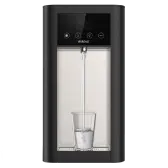
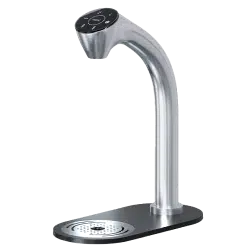
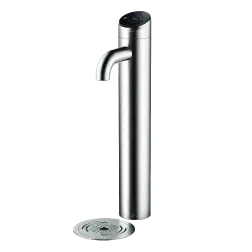
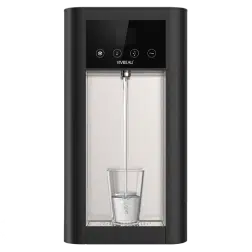
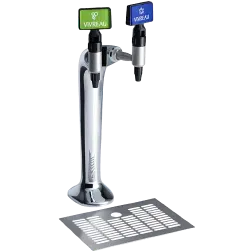
Choosing the right format is important. In smaller pantries, shared kitchens, or phased rollouts, a countertop water dispenser can be a practical way to improve access without forcing a large redesign of the entire space. In more design-sensitive environments, integrated taps may be the better fit.
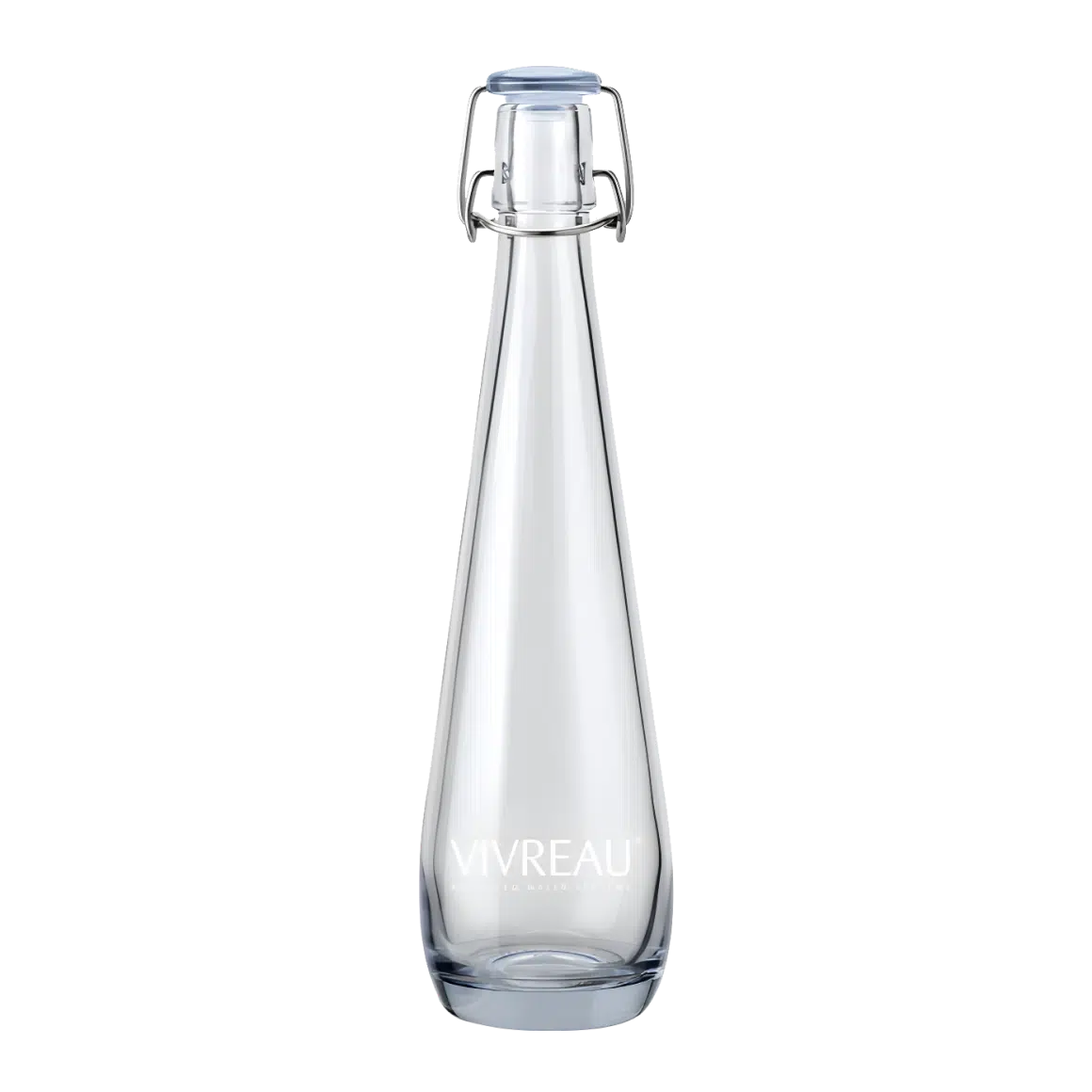
Reusable bottle programs can extend that impact further. They reduce reliance on single-use plastics and reinforce brand identity in meeting rooms, shared spaces, and client-facing environments.
Taste is what makes the whole system stick. Employees need water that they genuinely want to drink. Our Hydration Habits survey found that taste is the top factor influencing water preference for 69% of people, followed by convenience. Simple, good-tasting options tend to outperform more complex beverage programs.
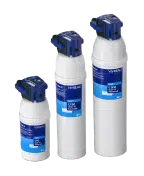
That expectation carries through to water quality. Modern filtration systems remove chlorine, sediment, and other trace contaminants that can affect taste and odor, while still preserving the minerals that keep water from tasting flat. That balance and knowing what’s in the water is what turns it from a default option into something people actively choose throughout the day.
Removing Barriers to Adoption
Cost is usually the first objection, and it is a fair one. However, what often gets overlooked is the ongoing cost of the existing setup. Deliveries, storage, fridge space, staff time, cleanup, and the constant flow of plastic water bottles all add up over time.
When you factor in those day-to-day demands, the investment in a new, more efficient system starts to look less like an added cost and more like a way to replace a system that quietly consumes time, space, and budget every day.
Installation readiness is the next question. Plumbing, power, drainage, and service access all matter, and it is better to be honest about that upfront, as not every space is plug-and-play. The strongest projects look at real site conditions first, then match the format to what the space can support.
Maintenance and downtime matter just as much as installation. Employees will only keep choosing healthier drinks if the system stays easy to use. That is why predictable service, clear maintenance planning, and the right placement strategy all belong in the conversation from the start.
Lastly, placement has a direct impact on adoption. Hydration points work best where people already pause, such as pantries, collaboration zones, meeting areas, and arrival spaces. When better options are visible in the natural path of the workday, they get chosen more often without needing a campaign to force the issue.
Upgrade Office Hydration Today: Health, Experience, and Sustainability
The healthy drinks employees actually choose are usually the ones that remove compromise. Still water, sparkling water, subtle flavor options, and on-demand hot water can support wellness while also improving the feel of the workplace and reducing the clutter of packaged beverage programs.
A premium hydration setup also simplifies more than it adds. Replacing bottled drinks and fragmented setups with a reliable system reduces the daily effort behind hydration, while improving how the space looks and feels. What was once a background task becomes a visible part of the workplace experience.
If you are ready to rethink how hydration fits into your workplace, request a quote to explore Vivreau’s premium office hydration solutions.
FAQs
-
How Can Water Dispensers Encourage Employees to Choose Healthier Drinks Over Soft Drinks?
They make the healthier choice the easier choice. When water is visible, cold, easy to access, and enjoyable to drink, employees do not have to go out of their way to make a better decision.
-
What Are the Sustainability Benefits of Switching From Bottled Soft Drinks to Premium Water Dispensers?
The biggest benefits usually come from reducing single-use packaging, cutting down on deliveries, and removing the storage and cleanup burden that comes with packaged drinks. That can support both sustainability goals and smoother day-to-day operations.
-
Which Types of Office Water Dispensers Are Best for Promoting Healthy Alternatives in the Workplace?
The best fit depends on your layout, team size, and utility access. Countertop formats can work well in smaller spaces, while integrated dispensers or taps are often better for larger teams or more design-led environments.


