









Key Takeaways
- A commercial water dispenser takes one filtered water line and splits it into as many as three separate paths, each engineered differently and in a specific order.
- Chilling always happens before carbonation, because carbon dioxide dissolves better in cold water, and the recovery rate under real use is what actually separates units with similar spec sheets.
- The certification, hygiene design, and remote monitoring layer most buyers never see is what actually separates a reliable service partner from a company that just sold you a box with a tap.
How a commercial water dispenser actually works is more complicated than most people expect. The complexity comes down to a few specific elements. One water line has to handle several separate jobs in a specific order before reaching a certification and monitoring layer that most buyers never see.
A single cold water line feeds all three paths. One of those paths depends on a consumable that needs its own replacement schedule, and every component involved carries the same certifications as any other drinking water equipment.
Facilities and procurement teams evaluating a plumbed system for the first time do not need a marketing version of any of that. They need to know what is actually happening between the wall and the tap, and what it tells them about the supplier standing behind it.
One Water Line, Four Different Jobs
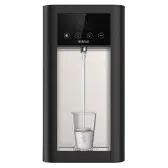
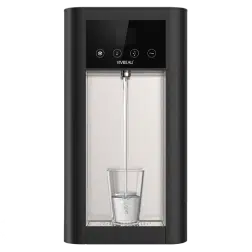
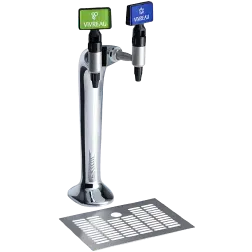
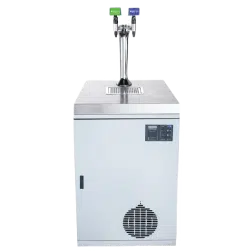
A single cold water connection is often the only visible plumbing behind a commercial water dispenser, and that simplicity is deceptive. Once that line enters the unit, the water is treated once, then it splits into as many as three separate conditioning paths, depending on the model: chilled still, chilled and carbonated, and heated.
A dispenser has to manage all three from one incoming supply, which is why two units with nearly identical spec sheets can behave very differently once real people are lined up in a busy pantry at nine in the morning.
The rest of this piece walks through each of those jobs in order: the connection itself, chilling, carbonation, and heating. Then it covers the part of the system most buyers never see, the certification and monitoring layer that determines whether any of it stays reliable over years of daily use.
From the Building Main to Filtered Water
Every unit ties into a standard cold water line rather than anything exotic, but that connection is still a plumbing job, not something to unbox and plug in. The line must include backflow protection, governed by the backflow preventer standard, because the same fitting that lets water into the dispenser must also prevent anything from the dispenser from traveling back into the building’s supply.
The requirement for professional installation by a licensed plumber is not a suggestion; it is a necessity for any commercial bottleless water dispenser, whether integrated into a cabinet or sized for a pantry. This ensures the system remains strictly isolated from the municipal supply through verified backflow prevention.
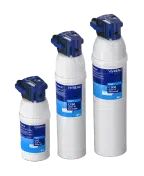
Once the connection is in place, the incoming water passes through microfiltration exactly once before it reaches any of the conditioning paths described above. That single pass is deliberate. Every output uses the same microfiltered water, so the unit does not require separate filtration for still, sparkling, or hot water.
Chilling, and Why It Has to Happen Before Carbonation
Chilling is the step that determines how a commercial water dispenser actually performs once real demand hits it, and it is also the step most competitor explainers skip past on their way to a product pitch.

How the Water Gets Cold
There are two common ways a dispenser cools water. The first chills water directly as it passes through a refrigerated block or coil, cooling it in the moment it is drawn. The second builds a reserve of cold water ahead of demand using an ice bank, so the unit can serve a rush of glasses without the temperature climbing partway through. Both approaches work.
The difference between them shows up in what facilities teams call recovery rate, how quickly the unit returns to full cold capacity after a run of use. Recovery rate is the practical purchasing question hiding in a spec sheet, because it determines whether the twentieth glass poured during a meeting break is as cold as the first or noticeably warmer.

How the Bubbles Get In
Carbonation is carbon dioxide, or CO2, from a pressurized cylinder dissolved into water. The order of operations matters here, and it is the detail that almost no competitor page explains. Carbon dioxide dissolves far more readily into cold water than into warm water, a principle backed by CO2 solubility research; this is why a dispenser must fully chill the supply before attempting to add carbonation.
That sequencing is also why sparkling output is tied directly to the chilled path inside the unit. If a still and sparkling water dispenser cannot keep up on chilling, it will not hold carbonation either, no matter how well the carbonated water faucet itself is engineered. The CO2 cylinder that makes this possible is a true consumable, similar to a filter, and it gets swapped on its own replacement cycle.
Hot Water on Demand, Without a Kettle
The heated path works one of two ways. The heated path operates via an insulated reserve tank to maintain a consistent temperature or through high-efficiency, on-demand heating that bypasses chilled lines to supply a dedicated outlet. For procurement teams, this system comes down to two primary considerations.
The first is recovery under load, the same idea from the chilling section, applied to heat instead of cold. The second is safety design, because a tap that delivers water hot enough to make tea has to fail safely if something goes wrong. Vivreau’s own dispensers include an anti-scalding feature, leak detection, and emergency shutoff as standard safety measures on units with a hot water path.
The Certification, Hygiene, and Monitoring Layer Buyers Never See
Everything described so far explains how a commercial water dispenser moves and conditions water. It does not explain why a facilities buyer should trust the equipment to do it, and that trust comes from three things competitors rarely include in their own explainers.
First, certification. The wetted components inside any drinking water dispenser fall under drinking water system component standards, not general appliance rules. The NSF/ANSI 61 standard sets health-effects requirements for any material or component that contacts drinking water, covering chemical migration into the water rather than performance or taste.
A related standard, NSF/ANSI 372, sets a specific lead content limit for any component used to bring water to a person’s cup, whether it carries water along the way or delivers it at the final tap. Naming the exact standard a dispenser is certified to turns a general safety claim into something a buyer can actually verify. Vivreau is Intertek and NSF-certified.
Second, hygiene by design. The more useful question about any filtered water dispenser commercial buyers install is not how often someone wipes it down, but what the unit does on its own between visits.
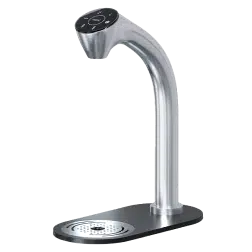
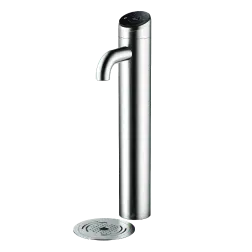
Vivreau’s ThermalGate automatically and regularly heats the tap to disinfect it, and it comes standard on the Extra C-Tap, Extra I-Tap, and Top Pro lines. The unit handles this on its own, on a fixed schedule, rather than depending on how often someone remembers to wipe it down.
Third, monitoring. Vivreau iQ Solution proactively monitors a dispenser and can resolve many issues remotely before a technician visit is ever scheduled.
Vivreau’s field service team describes the earliest signs of trouble as changes a person filling a glass would never notice on their own, filter pressure climbing, carbonation efficiency declining, water temperature drifting, or dispensing patterns shifting, the kind of drift that, as the team puts it, can appear “long before a customer notices a problem.” Catching that drift early lets a service team investigate and intervene remotely rather than waiting for a complaint.
A predictive maintenance approach turns that early warning into an actual repair rather than a support ticket. A service promise only means something if the instrumentation behind it can catch a problem the user cannot see yet.
What the Mechanics Tell You About a Supplier
Once you see a commercial water dispenser as four subsystems built around one consumable and a set of certifications, the buying conversation changes.
Instead of asking whether a unit looks premium, you can ask sharper questions, like:
- What is its recovery rate under real load?
- Which standards are its wetted components actually certified to?
- What does it do about hygiene on its own between service visits, and what does its monitoring report, and to whom?
Those questions apply just as much to a small office pantry as they do to a water dispenser for business use across a multi-floor building. A supplier who can answer all four with specifics, rather than with marketing language, is functioning as an engineer and a service partner behind the system.
Request a quote to find the right Vivreau setup for your space.
FAQs
-
Does a Plumbed Water Dispenser Need a Dedicated Water Line, or Will a Standard Cold Water Connection Do?
Every Vivreau dispenser needs a water line, including countertop models. Both integrated and countertop units require a water line, allowing you to choose the installation style that best fits your space and operational needs.
Countertop versus integrated is a choice about footprint and where the equipment sits, not a choice between plumbed and unplumbed. The real planning question is how much connection work a given space needs, never whether a line is required at all.
-
Why Does a Dispenser Have to Chill Water Before It Can Carbonate It?
Carbon dioxide dissolves far more readily into cold water than into warm water, so carbonation only holds once the water is already cold. A dispenser that tries to carbonate before fully chilling loses its fizz almost immediately.
This is also why sparkling output is tied to the same chilled path used for still water. If a unit cannot keep up on chilling during a busy stretch, the sparkling side struggles before the still side does.
-
Which Certifications Should a Commercial Water Dispenser Carry?
At a minimum, look for certification under NSF/ANSI 61, which governs the health effects of any material that contacts drinking water, and NSF/ANSI 372, which limits lead content in any part that touches the water on its way to a person’s cup.
Ask whether certification applies at the component level or across the full system, since suppliers use both terms differently. A named standard and level is something you can verify. A general claim of being safe is not.
-
Who Replaces the CO2 Cylinder on a Sparkling Water Dispenser, and How Often?
The CO2 cylinder is a consumable, similar to a filter, and it gets swapped on its own replacement schedule rather than lasting the life of the unit. Replacement is typically handled through a service plan or a facilities team’s own supply arrangement, rather than by the person filling the glass. Exact yield and replacement intervals vary by usage volume and model, so ask a supplier for figures specific to your equipment and traffic instead of relying on a generic estimate.
-
What Can Remote Monitoring on a Water Dispenser Actually Detect Before a User Notices Anything?
Connected monitoring can catch subtle drift in microfiltration performance, sensor readings, carbonation efficiency, or cooling components well before the water tastes or looks any different to the person filling a glass.
That early signal lets a service team investigate and often resolve the issue remotely, sometimes without a technician visit at all. The result is fewer surprise outages and a dispenser that continues to perform consistently between scheduled service visits.
Latest Posts


